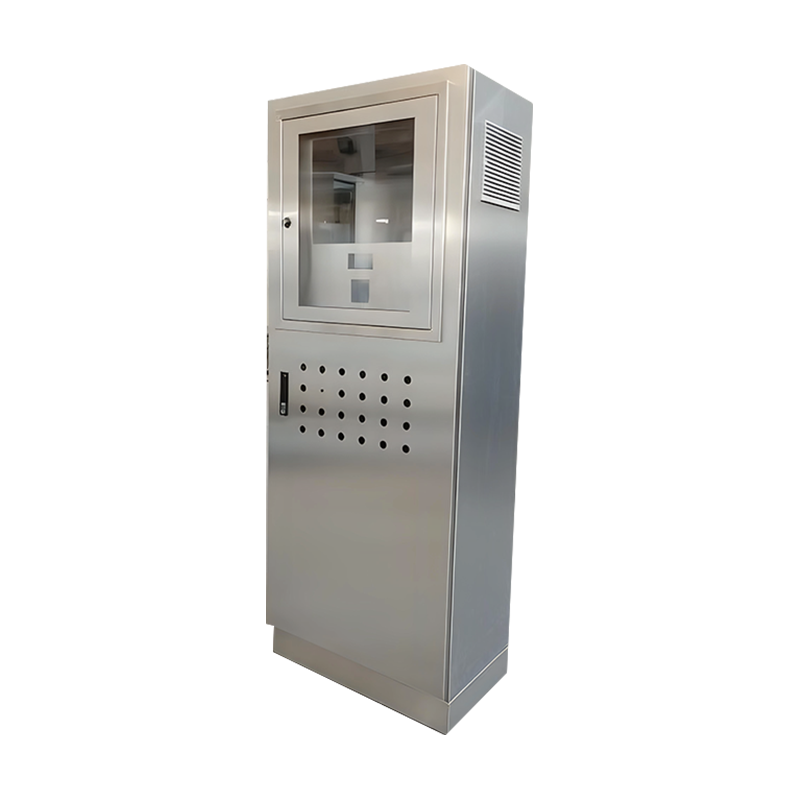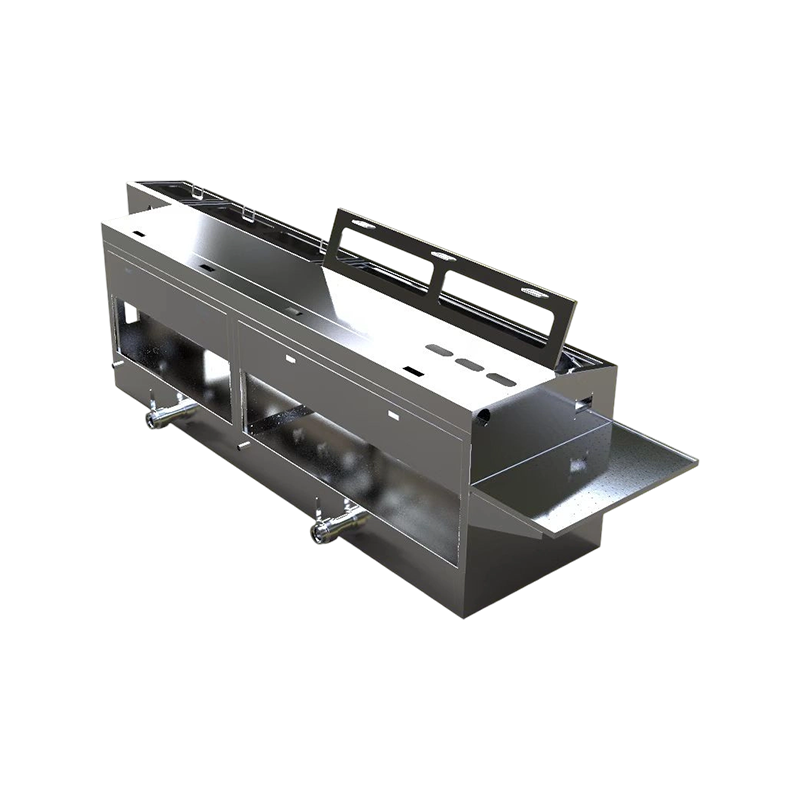
In the manufacturing world, the terms "mechanical sheet metal processing" and stamping are often used interchangeably, yet they represent distinct approaches with different capabilities, cost structures, and applications. Understanding the difference between sheet metal fabrication and stamping is critical for engineers, procurement specialists, and product designers who must balance precision, volume, and budget. While both start with flat metal sheets, their paths diverge significantly in tooling, complexity, and the final parts they produce. This article provides an in-depth technical comparison, exploring the core principles, equipment, and decision-making factors that define each process.
The fundamental distinction lies in their operational philosophy: stamping is a high-speed, die-driven process designed for producing large volumes of identical parts with minimal operator intervention, whereas fabrication encompasses a flexible suite of subtractive and forming techniques ideal for low-to-medium volumes and custom geometries. This guide will break down these differences across multiple dimensions, from tooling costs and lead times to material considerations and secondary operations, equipping you with the knowledge to select the optimal manufacturing route for your next project.
To appreciate the differences, it is essential to first define each process precisely. Sheet metal stamping is a high-speed manufacturing process that uses a press and specialized tooling, known as a die, to transform flat metal sheets into specific shapes. The die contains the negative image of the desired part, and the press applies immense force to cut, bend, or form the metal into that shape in a single stroke or a series of strokes. This process is highly repeatable and can produce thousands of parts per hour, making it the backbone of high-volume production.
In contrast, sheet metal fabrication refers to a broader category of manufacturing techniques that involve cutting, bending, and assembling metal to create a finished product. Unlike stamping, which relies on a single dedicated die, fabrication employs a variety of equipment such as CNC laser cutters, press brakes, turret punches, and welding stations. This flexibility allows fabricators to work with a wider range of materials and thicknesses, create complex 3D shapes, and incorporate intricate design changes without the need for expensive retooling [citation:4]. In essence, stamping is a specific method within the larger universe of fabrication, optimized for speed and volume, while fabrication is a versatile toolbox for bespoke and complex parts.
The most significant operational difference between stamping and fabrication lies in the tooling required. Stamping operations are centered around custom dies, which are precision-machined tools designed specifically for a single part. These dies often include complex features like punches, pilots, and strippers to perform multiple operations—such as blanking, piercing, and forming—in a single press stroke. For example, a progressive die can transform a coil of steel into a finished bracket at rates exceeding 800 parts per minute. However, this speed comes at a cost: die development can take 12 to 20 weeks and cost anywhere from $10,000 to over $100,000, making it impractical for small runs or prototypes.
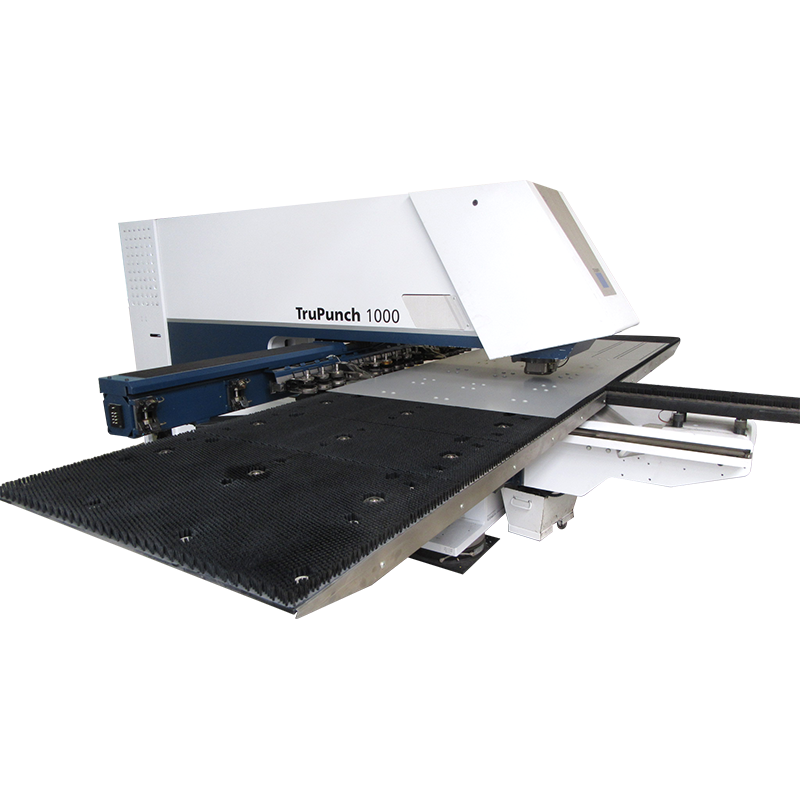
Fabrication, on the other hand, relies on versatile, programmable equipment. The most common are CNC laser cutters and press brakes. Laser cutters use a high-powered beam to cut intricate shapes from sheet metal with high precision and without the need for hard tooling [citation:8]. A press brake then uses a punch and die set to bend the flat cut sheet into the final 3D geometry. Because these machines are programmable via CAD files, switching from one part to another is a matter of seconds, offering unparalleled flexibility. For instance, a service provider might use a 4000-watt laser to cut up to 1-inch steel, followed by a press brake with 1,000 tons of capacity to form heavy-duty components [citation:4]. This flexibility is a hallmark of custom sheet metal fabrication, enabling rapid prototyping and design iteration.
The economic viability of each process is heavily dependent on the production volume and part lifecycle. Stamping excels at economies of scale: the high initial tooling investment is amortized over a massive number of parts, resulting in a very low per-unit cost. For automotive body panels, consumer electronics enclosures, and appliance parts, where annual volumes can exceed 100,000 units, stamping remains the undisputed champion. The process is also incredibly fast, with cycle times measured in milliseconds, which directly reduces labor costs per part.
Fabrication, conversely, offers a lower barrier to entry. With no hard tooling required for cutting, a project can begin with minimal upfront investment. This makes it economically viable for quantities as low as one or two units for prototypes, all the way up to several thousand units for precision sheet metal fabrication projects. While the per-unit cost is higher than stamping due to slower cycle times and more manual labor, this is often offset by the elimination of die costs. For emerging technologies, such as the origami-based sheet metal (OSM) process, a study found that novel fabrication methods could reduce energy consumption by up to 94% and CO2 emissions by 92% compared to traditional stamping [citation:7][citation:12]. This highlights how modern sheet metal manufacturing can also offer sustainability advantages.
A key industry rule of thumb: For quantities under 5,000 parts, fabrication is almost always more cost-effective. For quantities exceeding 10,000 parts, stamping typically becomes the economical choice, especially for thin-gauge materials.
From a technical standpoint, each process has inherent strengths and limitations that influence part design. Stamping is exceptionally proficient at creating flat or moderately formed parts with high precision. For instance, fineblanking, a specialized form of stamping, can achieve tolerances as tight as ±0.0005 inches and produce parts with smooth, burr-free edges, often eliminating the need for secondary finishing [citation:5]. Stamping can also handle high-strength steels and complex in-die operations like tapping, riveting, and welding, condensing what would be a multi-step assembly into a single press line.
Fabrication, however, holds the advantage when it comes to creating deep, complex, or highly custom 3D geometries. A CNC press brake can create bends with precise angles, and by using specialized tooling, it can form channels, cylinders, and other intricate shapes. Laser cutters can handle a wide range of materials, from soft aluminum to hard titanium, and can cut through thicknesses up to 1 inch or more [citation:14]. Fabrication is also ideal for parts that require integrated assemblies, such as an enclosure that needs brackets, hinges, and threaded inserts welded onto it. This versatility is a hallmark of custom metal fabrication, where the process can be tailored to the exact specifications of the project.
Choosing between fabrication and stamping is a strategic decision influenced by multiple factors. The most critical is production volume, but other considerations, such as material type, part complexity, and time to market, are equally important. For prototyping, where design changes are frequent and volumes are low, custom sheet metal fabrication is the clear winner. Its flexibility allows engineers to iterate quickly, testing form, fit, and function without incurring the cost and time of die development.
For high-volume production of mature designs, stamping is often the most cost-effective and consistent method. Applications like automotive chassis parts, computer hard drive components, and electrical connectors are almost exclusively manufactured via stamping due to the need for extreme consistency and low unit cost. However, the decision is not always binary. Many sheet metal fabrication services offer hybrid solutions, using fabrication for the initial prototype or low-volume bridge tooling, then transitioning to stamping once the design is finalized and demand increases. This phased approach can minimize risk and optimize cash flow.
The primary difference is in the tooling and approach. Stamping uses high-cost, custom dies to create high volumes of parts quickly. Fabrication uses flexible, programmable equipment like laser cutters and press brakes, making it ideal for lower volumes and custom parts [citation:2].
Choose fabrication for prototypes, low-to-medium production runs (typically under 10,000 parts), or when your part has complex geometry that requires multiple operations like cutting, bending, and welding. Fabrication is also preferred when design changes are expected.
Yes, for very high volumes, the low per-unit cost of stamping generally makes it cheaper despite the high tooling investment. The break-even point varies, but for volumes exceeding 50,000 to 100,000 parts, stamping is usually the most economical option.
While stamping can handle thicker materials, it is most economical and efficient for thin sheets, typically up to 1/4 inch. For thicker plates or heavy-gauge materials, fabrication methods like laser cutting and press brake forming are more appropriate [citation:10].
Both processes can achieve high precision. Fineblanking (a stamping method) can achieve tolerances of ±0.0005 inches [citation:5]. Precision fabrication using CNC equipment can typically hold ±0.005 inches, with some advanced processes achieving tighter tolerances.
Content
The variety of models, to meet the development needs of various regions in the world.
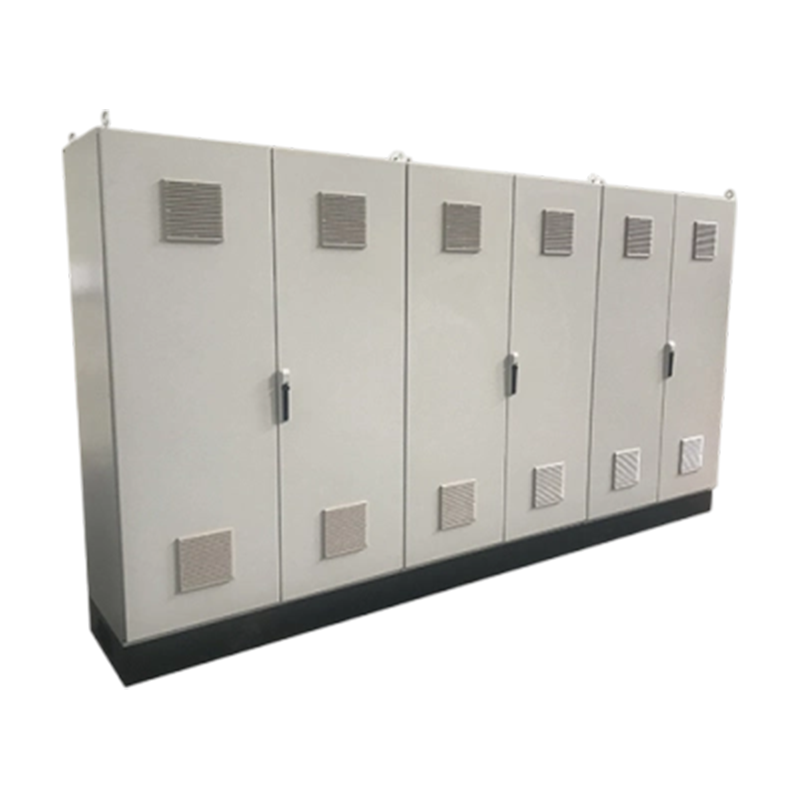
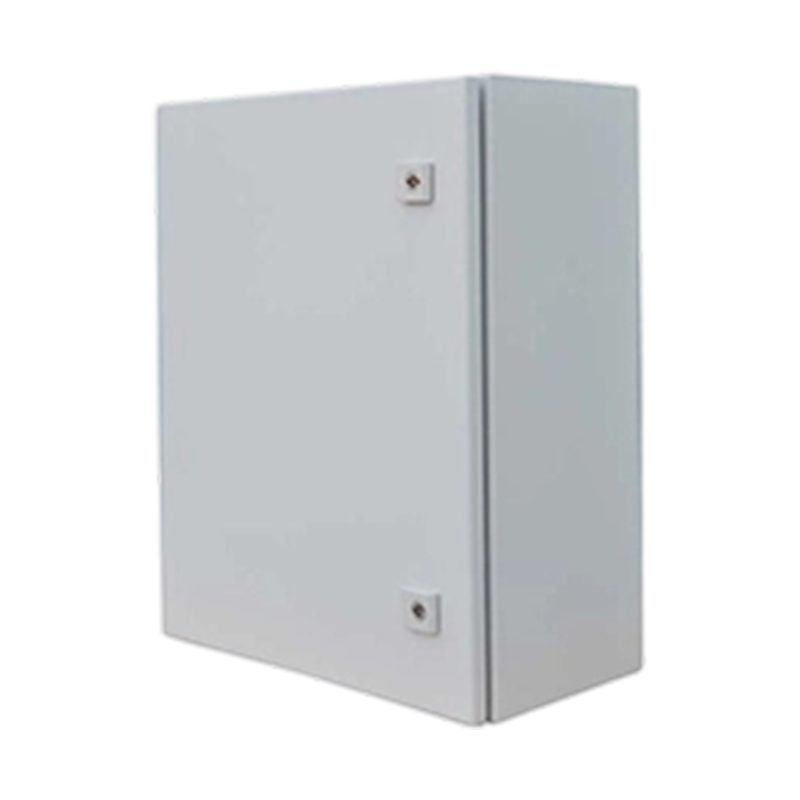
Carbon steel spray-coated AE electrical box
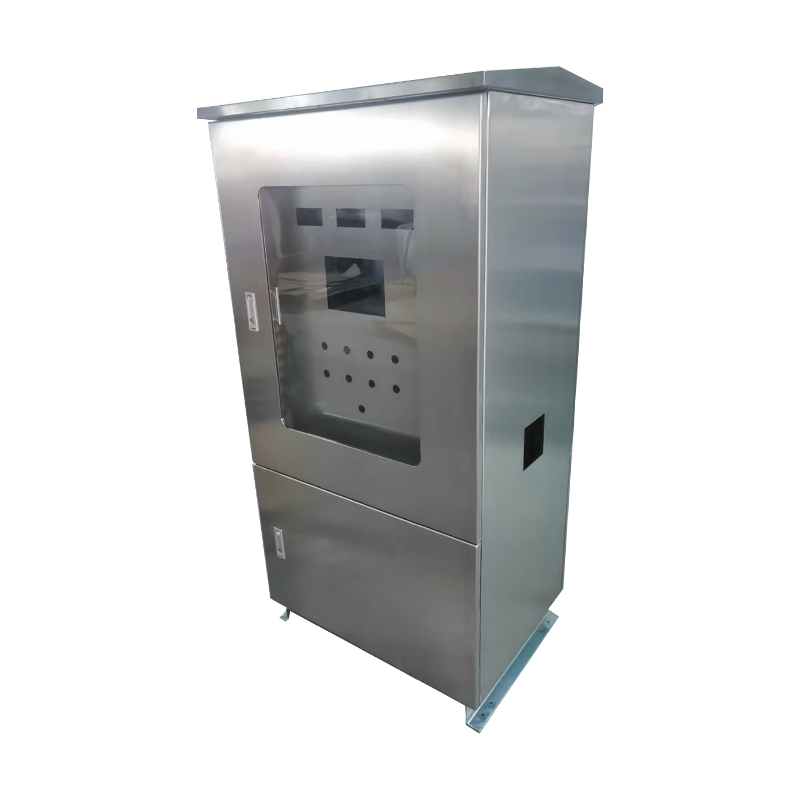
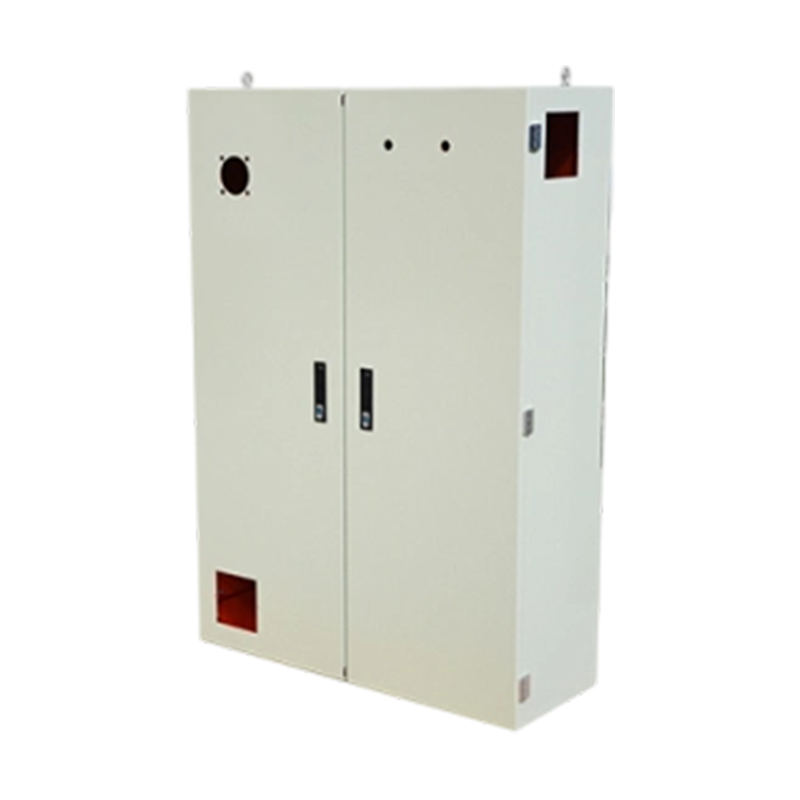
Non-standard carbon steel spray-coated custom cabinet
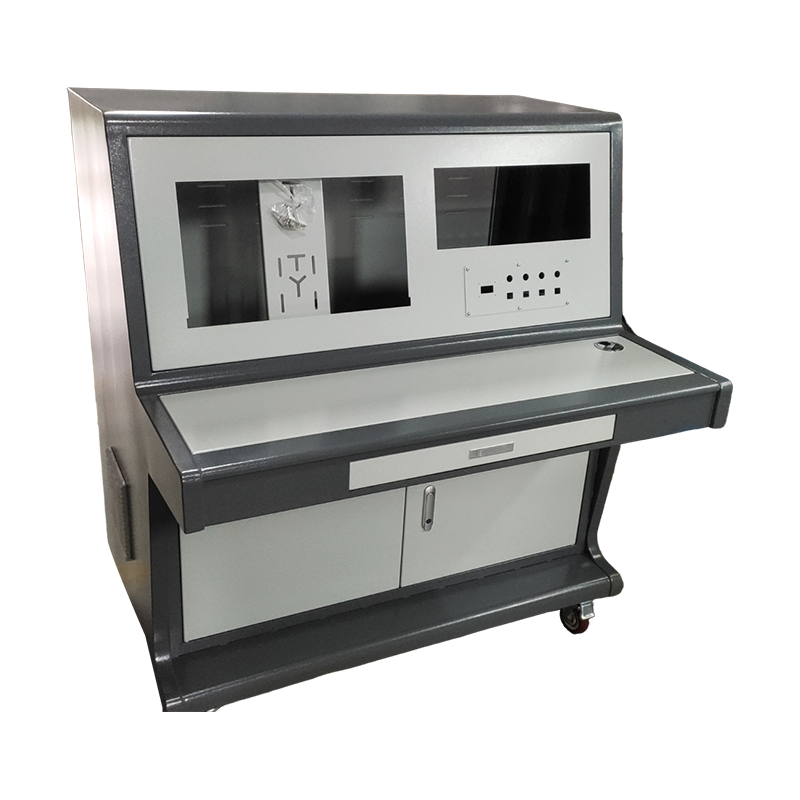
Non-standard customized mobile control panel
Phone:+86-15896481972(zhuxiaosui)
Fax: +86-0510-83890571
E-Mail: [email protected]
ADD:No. 2 Qida Road, No. 1 Shunqi Road, Yuqi Street, Huishan District, Wuxi City, Jiangsu Province, China

 English
 русский
 Español
 中文简体
中文简体