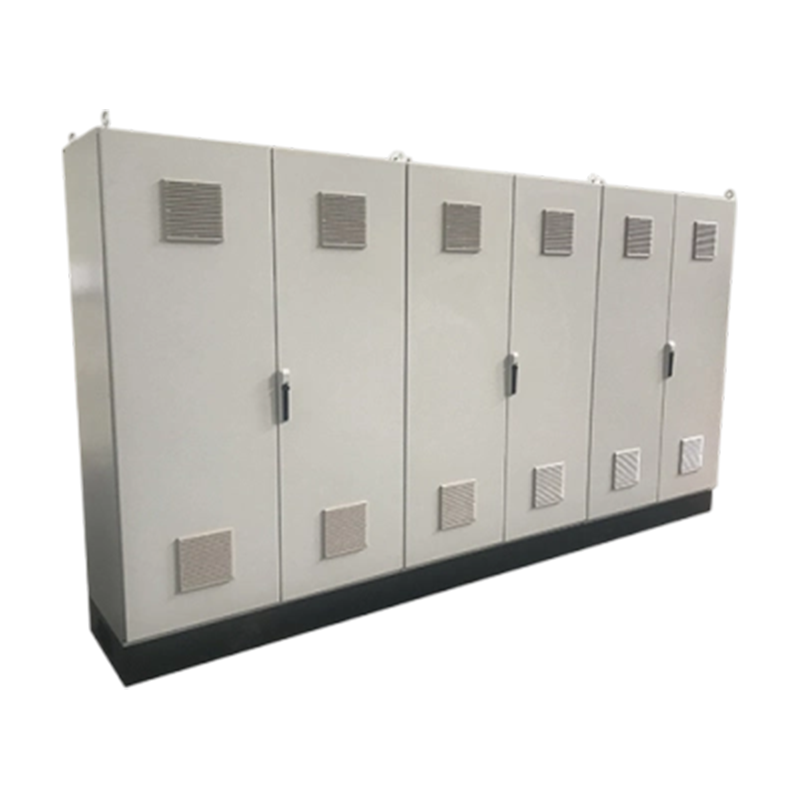
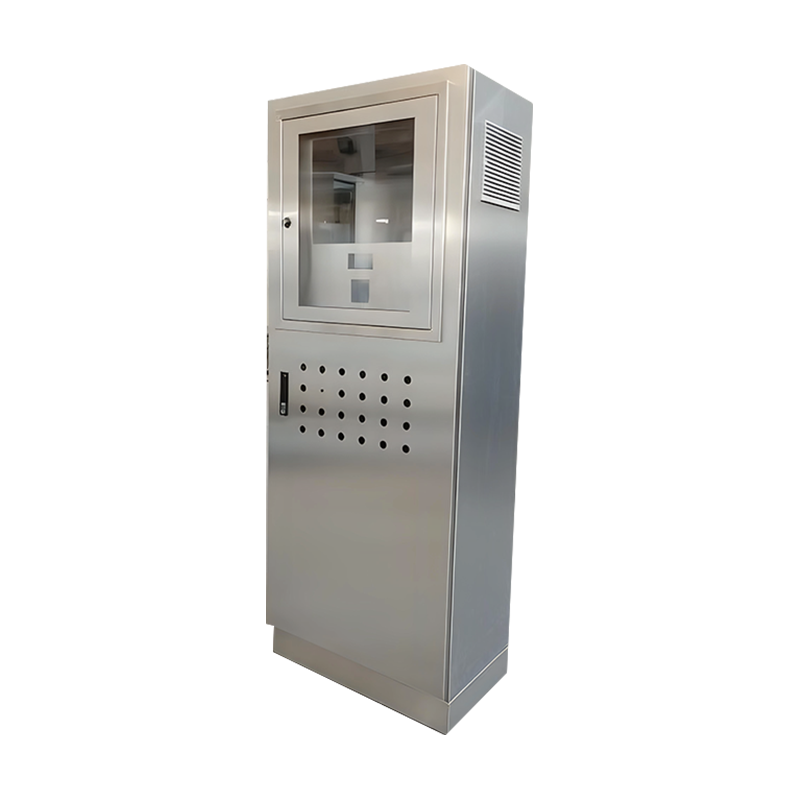
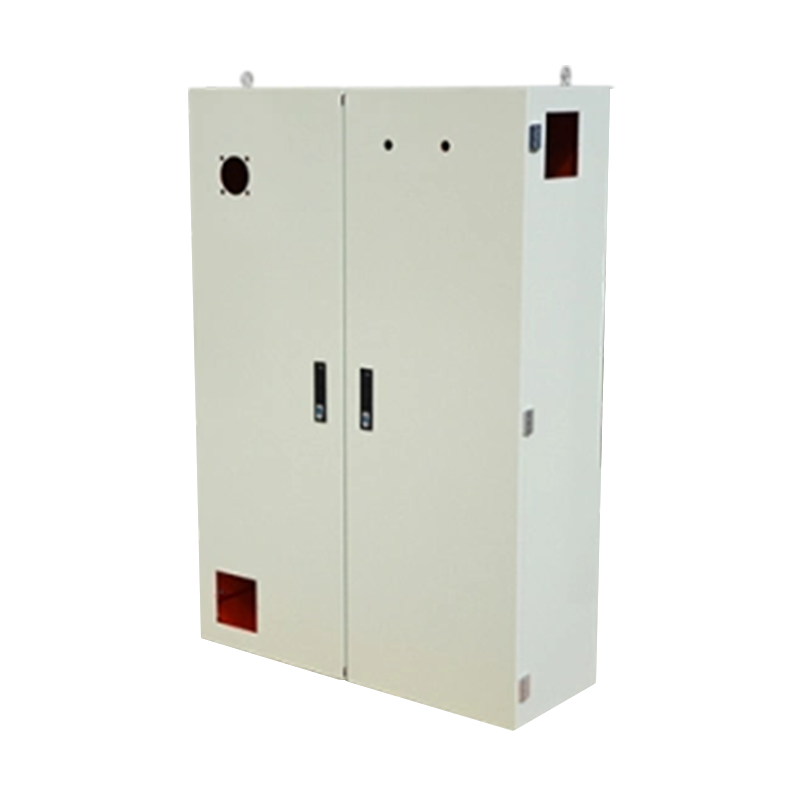
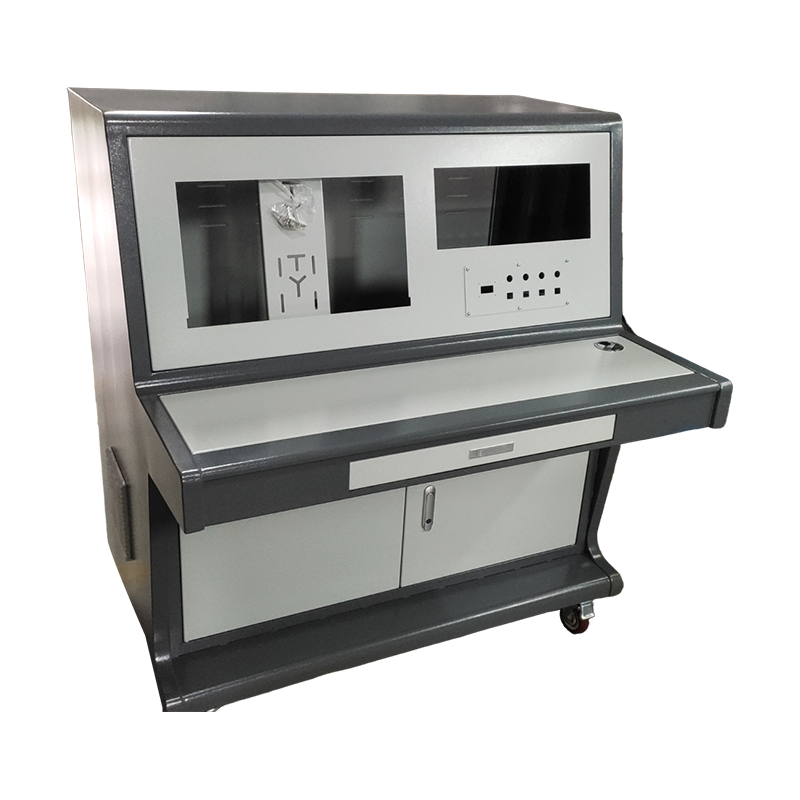
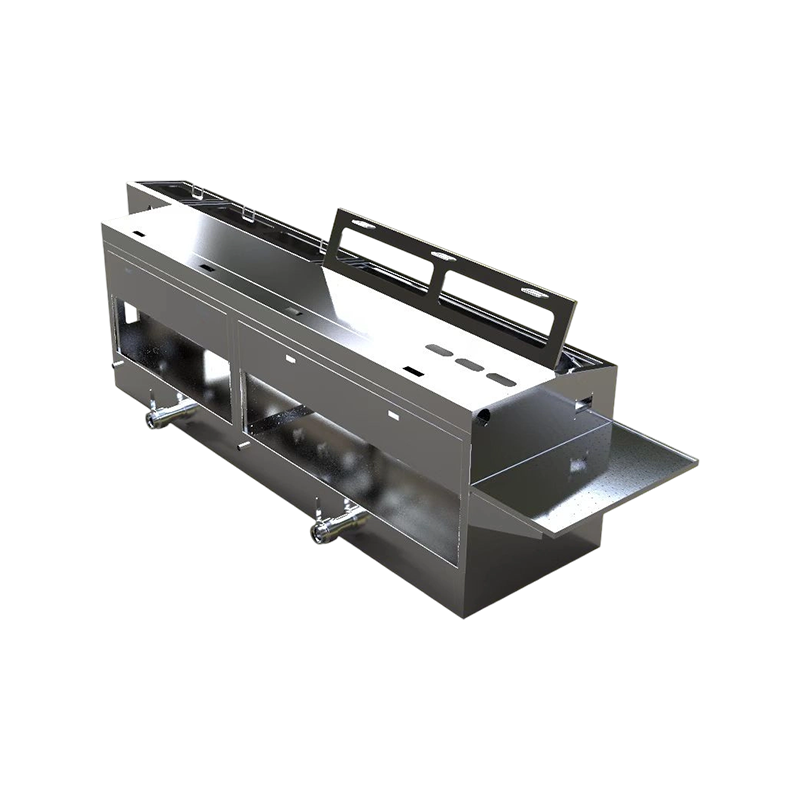
Your Direct Source for Custom Industrial Metal Enclosures
When your equipment faces extreme temperatures, corrosive environments, and electromagnetic interference, standard consumer-grade boxes will not suffice. As a specialized manufacturer of industrial metal enclosures, we have served global customers across automation, power distribution, and heavy equipment industries for over a decade. Our in-house capabilities—from precision laser cutting and CNC bending to powder coating and assembly—enable us to deliver fully customized solutions with controlled costs and predictable lead times.
This comprehensive guide explains why industrial metal enclosures demand custom engineering, what material and fabrication choices mean for performance and durability, and how to source a reliable partner who understands your application requirements.
Why Standard Boxes Fail in Industrial Applications
Industrial environments present challenges that most off-the-shelf enclosures simply cannot handle. Understanding these challenges is the first step to specifying the right custom solution.
Environmental Exposure and Protection Levels
In manufacturing plants, refineries, food processing facilities, and outdoor installations, enclosures encounter moisture, dust, salt spray, oil mist, and vibration. An IP65-rated enclosure is no longer a luxury—it is a baseline requirement. This rating guarantees protection against water jets from any angle and total dust ingress prevention. Moving to IP66 or IP67 ratings requires upgraded sealing strategies: dual-layer gaskets made from EPDM or silicone rubber, precision-welded seams, and drain provisions to prevent water pooling.
Without proper protection, electrical components degrade within months. Corrosion creeps into uncoated or thin-walled metal. Moisture causes short circuits. Dust accumulation blocks ventilation and causes thermal runaway. Custom industrial metal enclosures address these risks by incorporating design features that standard products ignore.
Structural Integrity Under Load
Large electrical cabinets, motor control centers, and process instrumentation housings must withstand internal pressure changes, thermal cycling, and mechanical vibration. A flimsy enclosure will flex, causing gasket failure and fastener loosening over time. Wall thickness, internal ribbing, and corner radius design determine whether an enclosure survives 10 years or fails in 18 months.
Cold-rolled steel enclosures must be designed with sufficient wall gauge—typically 1.5 mm to 2.0 mm for larger cabinets—and reinforced corners to distribute stress. Stainless steel (304 or 316 grade) adds corrosion resistance but requires skill during welding to prevent sensitization and stress-cracking in harsh saltwater or chemical environments.
Thermal Management and Component Accessibility
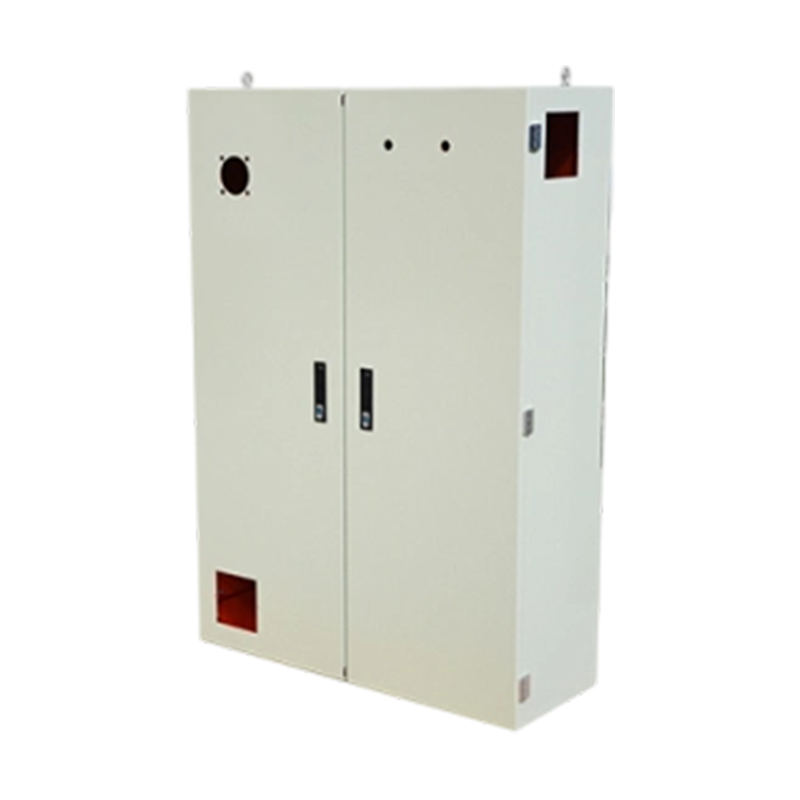
Off-the-shelf boxes rarely account for the heat generated by power electronics, control transformers, or variable frequency drives inside. Custom enclosures can integrate ventilation cutouts, mounting rails for DIN-standard components, cable entry glands positioned for logical wire routing, and thermal analysis-informed wall treatments that improve convection without compromising protection.
Material Selection and Fabrication Capability
The material you choose determines cost, durability, weight, and thermal characteristics. There is no universal answer; the right material depends on your environment, budget, and performance timeline.
Material Comparison for Industrial Enclosures
Below is a comparison of the three primary material options used in custom industrial metal enclosure manufacturing:
| Material |
Cost Profile |
Corrosion Resistance |
Thermal Conductivity |
Best For |
| Cold-Rolled Steel (CRS) |
Base Reference |
Low (requires coating) |
High (excellent) |
Indoor, standard environments |
| Stainless Steel (304/316) |
+60-80% |
Excellent (inherent) |
Moderate |
Saltwater, chemical, food processing |
| Aluminum Alloy (6061/5083) |
+30-50% |
Moderate (oxide layer) |
Very High |
Weight-critical, high-heat thermal management |
Powder Coating and Surface Protection
Even cold-rolled steel becomes corrosion-resistant and aesthetically superior when finished with high-quality powder coating. Our multi-stage process includes chemical pre-treatment (removal of mill scale and rust), electrocoat primer application for edge protection, and polyester or polyurethane powder topcoat applied at 60-80 micrometers thickness. This creates a barrier that resists salt spray (ASTM B117 5,000+ hours) and UV degradation, all while providing a professional finish in colors specified by your design.
For applications requiring maximum corrosion protection or where secondary surface treatments are impractical, stainless steel eliminates the coating step entirely. Grade 304 suits most industrial applications; Grade 316 is reserved for harsh marine or chemical-exposure scenarios where molybdenum content provides additional pitting resistance.
In-House Fabrication Process: From Design to Delivery
Our fabrication workflow is designed to ensure dimensional accuracy, consistent quality, and efficient lead times. Each stage is optimized to deliver precision while maintaining cost-effectiveness:
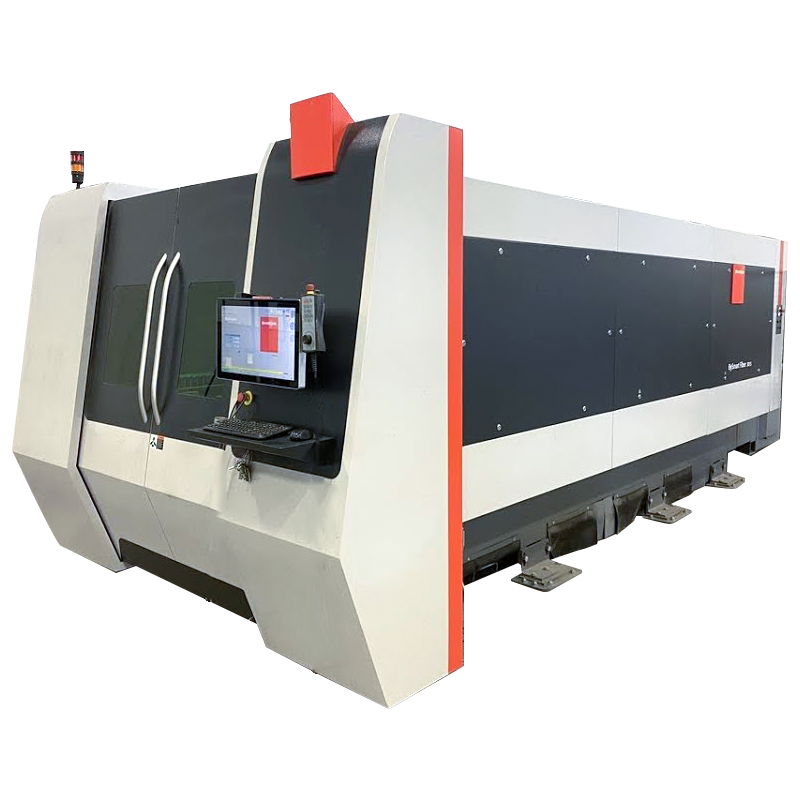
- Laser Cutting (Precision: ±0.1mm) – CAD-driven fiber laser systems cut coil stock to pattern specifications. Laser cutting eliminates burrs and delivers clean edges, reducing downstream deburring labor and improving assembly fit-up. We handle sheet sizes up to 6 meters and material thicknesses from 0.5 mm to 6 mm.
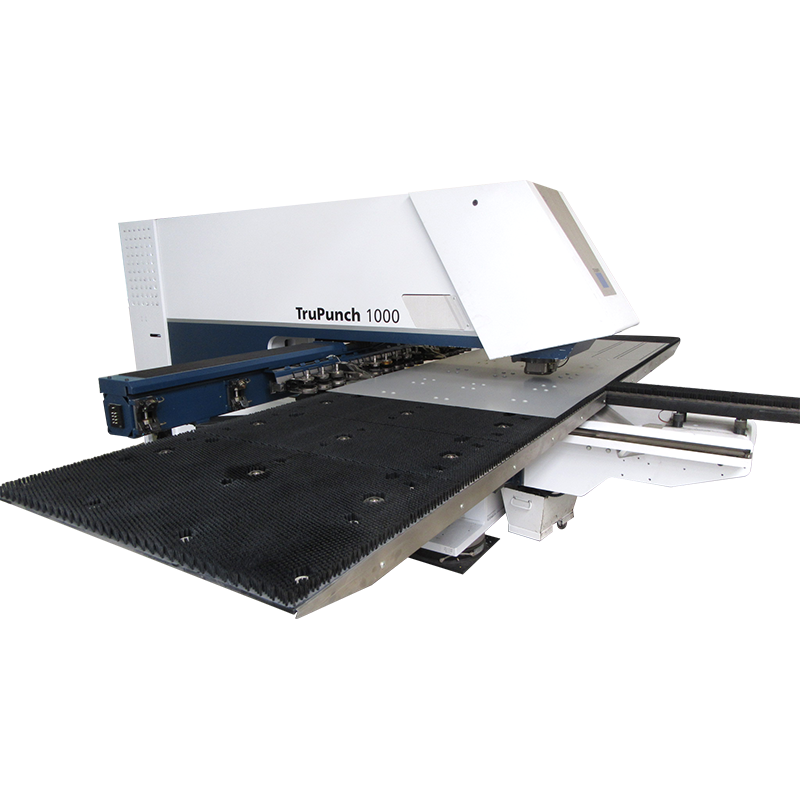
- CNC Press Brake Forming – After laser profiling, components move to CNC-controlled press brakes for bending and hem operations. Tooling is optimized for repeatability, ensuring that bend angles, radii, and depth remain consistent part to part. Complex shapes requiring multiple bends are programmed in sequence to minimize handling.
- Welding and Seam Treatment – Robotic and manual welding processes join enclosure walls and internal dividers. For applications requiring airtight or liquid-tight seals, we employ TIG (tungsten inert gas) welding to ensure clean, strong joints. Seams are ground smooth and inspected for porosity to meet NEMA 4X and IP67 requirements.
- Deburring and Surface Preparation – All cut and formed edges are deburred by hand or machine to remove sharp edges and improve both safety and gasket compression. Chemical or mechanical cleaning removes mill scale and oils before coating application.
- Powder Coating Application – Components are pre-treated (zinc phosphate or zirconium-based process) and then electrostatically spray-coated with powder. The coated part is cured in an industrial oven at precisely controlled temperature and dwell time to achieve uniform finish and cross-link density.
- Assembly and Quality Inspection – Enclosures are assembled, internal components are mounted and wired (if required), and final inspection confirms dimensional accuracy, finish quality, and functional testing (hinge operation, door sealing, lock engagement).
Design for Manufacturability (DFM) Review
One of the most underrated value-adds we provide is a thorough DFM analysis before production begins. When you submit your CAD files (in STEP, DWG, or PDF format), our engineering team reviews the design against our tooling, material capabilities, and assembly constraints. We identify opportunities to reduce costs—for example, suggesting a larger internal corner radius to eliminate costly radial tooling, or recommending material thickness that maintains structural integrity while reducing lead times and scrap.
This pre-production dialogue is why custom enclosures from experienced manufacturers often cost less than those ordered without design review: we catch issues that would otherwise result in tool changes, scrapped parts, or delivery delays.
From Prototype to Production: Our Customization Workflow
Procurement managers and design engineers need confidence that their supplier can handle everything from proof-of-concept prototypes to high-volume production. Here is how we structure our process to eliminate uncertainty:
Prototyping and First-Article Inspection
We accept single-unit and small-batch orders with the same rigor applied to large production runs. A typical prototype lead time is 7-14 calendar days from design approval, depending on complexity and material availability. All prototypes undergo first-article inspection (FAI) covering dimensional accuracy, finish quality, and functional testing. You receive detailed inspection reports (CMM data, coating thickness readings, hinge and gasket compression measurements) before you make the decision to proceed to volume production.
File Format and Design Specifications We Accept
- STEP (.stp, .step) – Native 3D CAD format; best for complex assemblies and cross-functional communication.
- DWG (.dwg) – 2D technical drawings with dimensions, annotations, and tolerances clearly marked.
- PDF (.pdf) – Scanned drawings or native PDF exports; we trace details for CAM programming.
- Rough Sketches – Preliminary concepts are welcome; our design team will develop formal drawings and confirm specifications before quoting.
Standard Customization Options
The flexibility to customize enclosures is what separates purpose-built industrial solutions from mass-produced alternatives. Common modifications we perform include:
- Cable Entry Holes and Knockouts – Custom-positioned openings for cable glands, conduit, and wire trays, sealed with stainless steel or neoprene blanking plates.
- Internal Partition and Mounting Rails – Galvanized or stainless steel DIN rails, backplates, and baffles for logical component layout and thermal separation.
- Logo and Text Silk-Screen Printing – Custom silk-screening in one or multiple colors for branding, labeling, and safety warnings, cured and UV-resistant.
- Hardware Integration – Hinges, locking mechanisms, handles, and corner guards selected to match protection rating and aesthetic requirements. Stainless steel hardware standard for corrosive environments.
- Thermal Management Features – Ventilation louvres, thermostat-controlled fans, heat sink attachments, or thermally conductive panels for high-power applications.
- Grounding Lugs and Bonding Points – Pre-installed copper lugs and bonding wires for proper electrical grounding and EMC compliance.
Lead Times and Production Scheduling
Our production scheduling model balances flexibility with efficiency. Here is what you can expect:
- Prototype / Single Units: 7-14 days (subject to material in stock and design complexity)
- Small Batch (5-50 units): 14-21 days after design approval
- Medium Production (51-500 units): 21-35 days (depends on material procurement and coating capacity)
- Large Volume (500+ units): Custom scheduling; we can dedicate equipment and expedite material sourcing for committed orders.
Expedited scheduling is available at a surcharge when project timelines are tight. Rush prototyping (3-5 days) can be arranged for critical samples at premium rates. We maintain safety stock of common materials (cold-rolled sheet, common stainless gauges, and popular fastener sizes) to minimize lead times for repeat orders.
Technical Standards and Compliance
Industrial equipment faces rigorous certification requirements. Our enclosures are engineered to meet or exceed the standards your application demands:
Protection Ratings and Certifications
IP (Ingress Protection) Ratings – We design and test enclosures to IP54, IP65, IP66, and IP67 specifications. IP65 is the industry standard for manufacturing and outdoor installations; IP66/IP67 is required for high-pressure washdown or temporary submersion scenarios. Each rating is confirmed through third-party testing (dust chamber, rain nozzle, or immersion) with certified reports provided to you.
NEMA Ratings (North American Standard) – For customers in the United States, we can specify NEMA 4 (watertight), NEMA 4X (corrosion-resistant watertight), or NEMA 12 (industrial use, oil and dust protection) configurations. NEMA 4X stainless steel enclosures are particularly popular for food processing, chemical handling, and coastal installations.
IEC Standards – Our European and global customers rely on IEC 62439 and IEC 61439 compliance for control cabinet enclosures. We coordinate with your electrical integration partner to ensure proper fault ratings, thermal class, and component mounting guidelines are met during fabrication.
Materials Certification and Traceability
All raw materials are sourced from certified suppliers and accompanied by mill certificates. Cold-rolled steel meets ASTM A36 or equivalent; stainless steel is certified 304L or 316L with chemical composition reports. Fasteners and gaskets carry material certs and test reports. This traceability is essential for aerospace, defense, and safety-critical applications where material provenance must be documented.
Proven Applications Across Industries
Custom industrial metal enclosures serve diverse sectors, each with unique environmental and regulatory demands. Below are representative application scenarios where our solutions excel:
Electrical Distribution and Motor Control
Medium and high-voltage switch cabinets, variable frequency drive (VFD) housings, and power distribution centers require robust enclosures with precise internal compartmentalization to separate incoming power, control logic, and outgoing circuits. Thermal management is critical; our enclosures integrate ventilation louvers and thermal analysis-informed panel treatments to keep component temperatures within safe operating ranges.
Oil Mist Purification Equipment
Precision manufacturing facilities using CNC machines and hydraulic presses generate oil mist that can corrode or degrade standard enclosures within months. Our stainless steel (304 or 316) enclosures, combined with IP66 sealing and chemically resistant paint finishes, withstand this hostile environment. We also accommodate internal mist separators and drain provisions that prevent liquid accumulation and extend equipment life to 5+ years.
Outdoor and Coastal Installations
Wind turbine control cabinets, marine navigation electronics housings, and offshore platform instrumentation are exposed to constant salt spray and UV radiation. NEMA 4X stainless steel or powder-coated aluminum enclosures with sacrificial anodes and advanced gasket materials provide the corrosion resistance and longevity demanded by these high-value, remote installations.
Food Processing and Pharmaceutical Manufacturing
Clean room and washdown environments demand enclosures that can withstand repeated high-pressure water spray, chemical sanitizers, and extreme temperature cycling. Stainless steel construction eliminates rust and foreign particle generation. Smooth external surfaces and accessible drain points minimize contamination and simplify cleaning protocols. NEMA 4X and IP66 ratings are mandatory.
Mining and Quarrying Operations
Dust, vibration, and thermal extremes characterize mining equipment control systems. Custom enclosures can be oversized internally to accommodate increased cooling capacity, equipped with dust filtration vents, and reinforced with additional ribbing to resist vibration-induced failure. Cold-rolled steel with heavy-duty powder coating offers the best cost-to-durability ratio for these rugged applications.
Our Manufacturing Capability Overview
To give you confidence in our capacity and expertise, here is a snapshot of our facility and equipment:
Facility Size: 8,000+ square meters of dedicated manufacturing and assembly space
Core Equipment: Fiber laser cutting systems (6 meter capacity), CNC press brakes (10+ stations), robotic welding centers, manual TIG welding workstations, deburring machines, powder coating plant with dual-chamber curing ovens
Workforce: 150+ skilled technicians and engineers with an average of 8+ years' experience in sheet metal fabrication and assembly
Quality Infrastructure: CMM inspection, coating thickness gauges, IP testing chamber, thermal imaging for heat distribution analysis, FAI (First Article Inspection) documentation
Certifications: ISO 9001:2015, ISO 14001 (environmental management), OHSAS 18001 (occupational health and safety)
How to Request a Quote and DFM Analysis
The path from concept to delivery starts with a single conversation. Here is our recommended process to ensure fast turnaround and accurate quotations:
Step-by-Step Quotation Process
- Submit Your Design – Upload CAD files (STEP, DWG, PDF) or sketches to our quotation portal or email them directly. Include any application notes, environmental requirements, or special requests.
- DFM Analysis – Within 24 hours, our engineering team reviews your design, identifies cost-reduction opportunities, and confirms manufacturability. We will contact you if clarification is needed.
- Quotation and Timeline – You receive a detailed quotation including unit price, setup fees, coating options, lead time, and payment terms. We can provide multiple options (e.g., standard vs. expedited delivery) for comparison.
- Design Approval and PO – Once terms are agreed, you approve the design (and any DFM recommendations), and we issue a purchase order with lead time and delivery schedule.
- Production and Inspection – Manufacturing proceeds; prototypes undergo FAI with detailed inspection reports. Production units are quality-checked and packaged for shipment.
- Delivery and Support – Enclosures are delivered via air freight, sea freight, or local courier. We provide unpacking instructions, dimensional verification, and post-delivery technical support.
Minimum Order Quantities and Flexibility
We have no enforced minimum order quantity. A single prototype is welcome; repeat orders of 50, 500, or 5,000 units are handled with equal professionalism. Our flexible production model means you are not forced to commit to large volumes to receive competitive pricing and dedicated engineering attention.
Frequently Asked Questions
Below are answers to the most common questions from procurement engineers, plant managers, and OEM partners:
Q1: What is the minimum order quantity (MOQ) for custom industrial metal enclosures?
There is no formal MOQ. We manufacture single prototypes and small batches (5-20 units) with the same quality standards applied to production runs of 1,000+ units. For very small volumes, we may apply a design fee or setup charge to offset tooling costs, but this is discussed upfront and waived if you transition to volume production within a specified timeframe.
Q2: Can you provide IP65 test reports and material certificates?
Yes. All enclosures can be tested to IP65, IP66, or IP67 standards by an accredited third-party laboratory. Test reports are provided with raw data (dust ingress photos, water spray video, pressure readings). Material certificates for all raw materials (mill certs for steel and stainless, supplier certs for fasteners and gaskets) are included with delivery. First-article inspection (FAI) documentation is standard for prototype and production runs.
Q3: How do you handle packaging for sea freight to prevent damage during shipping?
Enclosures are carefully wrapped in foam and kraft paper, then secured in corrugated cardboard boxes or wooden crates lined with corner protectors. For large cabinets or high-value shipments, we use adjustable wooden frames with strapping and desiccant packets to prevent moisture ingress during transit. Delivery inspection photos and damage reports are documented. We carry full liability insurance for goods in transit and work with you to resolve any damage claims quickly.
Q4: What is the lead time for a high-voltage control cabinet enclosure with stainless steel construction?
A stainless steel NEMA 4X enclosure typically requires 14-21 days from design approval to delivery, depending on size and internal complexity. Stainless steel material procurement can add 5-7 days if not in stock. If you have an urgent timeline (under 14 days), we offer expedited scheduling at a surcharge; contact us immediately with your requirements to confirm feasibility.
Q5: Do you offer post-assembly services like internal wiring or component installation?
Yes. We can mount and wire DIN rail components, terminal blocks, transformers, and other customer-supplied or factory-sourced items inside the enclosure before shipment. This full-assembly service reduces your integration time and risk of installation errors. Costs are quoted based on complexity; simpler layouts (basic DIN rail prep) are minimal, while fully wired control logic requires detailed schematic review and higher labor.
Q6: What file formats do you accept, and how detailed should CAD drawings be?
We accept STEP, DWG, PDF, and even preliminary sketches. For STEP files, include all internal components (shelves, rails, dividers) if their position matters to fit-up. For 2D drawings, clearly dimension all openings, bend radii, and mounting hole locations. Tolerances should be specified (e.g., +/- 1mm for non-critical dimensions, +/- 0.5mm for alignment holes). If drawings are incomplete, our team will contact you for clarification rather than making assumptions.
Q7: Can you match specific paint colors or provide a sample enclosure for color approval?
Yes. We can mix custom colors within our powder coating system, or match industry-standard RAL, Pantone, or custom color chips. A painted sample panel (4 x 6 inches) can be provided for your approval within 3-5 business days at minimal cost. Full enclosures are produced only after you confirm the sample color is acceptable. Metallic and matte finishes are also available.
Q8: Are there any design features that will increase cost or lead time?
Yes, a few. Deep internal cavities or narrow embosses (less than 5mm width) can require custom tooling and slow production. Internal radii smaller than 2mm are difficult to achieve and may result in rework or design changes. Very large flat panels (over 2 meters) without internal reinforcement are prone to oil-canning (visible waviness) and may need ribbing added. Our DFM review will flag these issues early and suggest alternatives that preserve function while reducing cost.
Q9: Do you handle repeat orders with part number tracking and delivery scheduling?
Absolutely. Once a design is approved and production-proven, repeat orders are expedited significantly. We maintain a record of your approved drawings, material specifications, and surface finishes. Standing orders can be scheduled with monthly or quarterly shipment windows. A dedicated account manager coordinates scheduling, inventory visibility, and any design updates across production runs.
Q10: What support do you provide after enclosures are delivered?
Our support does not end at shipment. We provide technical documentation, installation guides, and dimensional verification assistance. If you discover any defects or quality issues within 30 days of delivery, we will arrange replacement or repair at no cost (excluding damage from mishandling or unauthorized modification). Long-term design updates, performance feedback, and continuous improvement suggestions are welcome and incorporated into future production runs.
Ready to Specify Your Custom Industrial Metal Enclosure?
Upload your CAD file (PDF, DWG, STEP, or sketch) and receive a professional DFM analysis, detailed quotation, and production timeline within 24 hours. No design fee. No hidden charges. Transparent, factory-direct pricing.
Contact our engineering team today and let us prove why precision manufacturers and system integrators trust us for their most demanding enclosure requirements.


 English
 русский
 Español
 中文简体
中文简体