Standard ultrasonic cleaning machines are built around a fixed set of assumptions: a limited range of workpiece sizes, predictable contamination types, and manual or semi-manual loading. In real production environments, those assumptions rarely hold. Aerospace housings with deep blind holes, semiconductor carriers with delicate geometries, stamped parts with stubborn drawing oils, and medical instruments with mixed-material assemblies all place conflicting demands on tank geometry, frequency selection, chemistry compatibility, and cycle time.
When an off-the-shelf unit is forced into a process it was never designed for, the results are predictable: shadowed areas remain contaminated, delicate surfaces suffer cavitation erosion, filtration clogs prematurely, and the cleaning stage becomes a bottleneck rather than a quality gate. This is where non-standard customized ultrasonic cleaning equipment becomes not a luxury but a process requirement. Such systems are engineered from the workpiece outward, aligning transducer placement, tank dimensions, chemistry, rinsing, drying, and automation with the actual production reality.
This article examines the engineering logic behind custom industrial ultrasonic cleaning system design, the parameters that matter, the industries that depend on them, and the practical path from requirement analysis to quotation.
Non-standard customized ultrasonic cleaning equipment is a cleaning system designed and manufactured to match a specific workpiece, contamination profile, production rhythm, and facility constraint rather than a catalog specification. The term covers a wide engineering space: single-tank units with unusual dimensions, multi-stage lines with ultrasonic immersion, spray rinsing, immersion rinsing, hot air drying, and automated basket handling, as well as compact bench-top systems for laboratory R&D.
The defining characteristic is that the cleaning process is derived from the part, not the part forced into a standard process. In practice, this means tank size, ultrasonic frequency, power density, transducer mounting, filtration architecture, chemistry compatibility, and control logic are all treated as variables.
| Design Aspect | Standard Machine | Non-standard Customized Equipment |
|---|---|---|
| Tank Dimensions | Fixed catalog sizes | Built to workpiece envelope and batch load |
| Ultrasonic Frequency | Single or limited fixed frequency | Dual or multi-frequency, 25 kHz to 120 kHz |
| Power Density | Predetermined watt per liter | Adjusted for material, geometry, and contamination |
| Function Expansion | Limited add-on modules | Multi-tank linkage, spray, drying, filtration |
| Production Line Interface | Manual or basic timer control | PLC and HMI integration with conveyor or robot |
| Workpiece Fit | Best for general-purpose parts | Engineered for specific geometry and material |
A custom-built ultrasonic cleaning unit is therefore not simply a larger standard machine. It is a process tool whose mechanical, electrical, and chemical parameters are co-designed. An off-the-shelf ultrasonic cleaner can be adequate for low-mix, low-stakes cleaning, but when cleanliness specifications are quantified and audited, customization becomes the lower-risk path.
The engineering value of a customized system appears in four areas: precision matching, functional combination, production line adaptability, and long-term reliability. Each area carries specific design decisions that determine whether the equipment performs as a process asset or becomes a maintenance burden.
Tank dimensions are derived from the largest and smallest parts in the production mix, the batch arrangement, and the required immersion depth. Ultrasonic power and frequency are selected according to material hardness, surface finish, and contamination chemistry. For example, a thin-walled aluminum component with fine machined features may require a higher frequency to avoid surface damage, while a heavy cast iron housing with burnt-on carbon may need lower frequency and higher power density. Custom ultrasonic power and frequency parameters are therefore not arbitrary settings but calculated responses to the part.
In many industrial processes, ultrasonic immersion alone is insufficient. Oils, particulates, and surface films require a sequence of chemical and mechanical actions. A multi-tank ultrasonic cleaning system can combine ultrasonic cleaning, spray rinsing, immersion rinsing, and hot air drying in a single automated platform. This reduces handling damage, shortens cycle time, and improves repeatability.
The sequence can be configured for counter-flow rinsing, which reduces water consumption and improves rinsing efficiency. Drying stages may use filtered hot air, nitrogen, or vacuum-assisted drying depending on surface sensitivity.
Custom cleaning equipment is frequently required to connect with existing manufacturing cells. This means non-standard tank shapes that fit available floor space, custom cleaning baskets or fixtures that protect specific features, automatic conveyor or robot loading, temperature control loops, and PLC communication with the host line controller. An ultrasonic cleaning equipment integrated into automated production line architecture must respect cycle time, part tracking, and safety interlocks.
Industrial cleaning equipment operates in demanding conditions: continuous duty, elevated temperatures, aggressive chemistry, and mechanical vibration. Reliability begins with the transducer and generator. High-performance industrial ultrasonic transducer for heavy-duty operation must be mechanically and chemically robust. A dual fixation process combining high-strength adhesive bonding with mechanical stud welding prevents transducer detachment, a common failure mode in lower-quality equipment.
Generators should deliver stable frequency tracking and protection against over-temperature, over-current, and open-circuit conditions. Tank fabrication, plumbing, and electrical cabinets must be designed for 24-hour industrial continuous operation with accessible maintenance points.
The following parameters represent the typical engineering range for customized systems. Final specifications are determined by workpiece analysis and production requirements.
| Core Parameter | Technical Specification |
|---|---|
| Material Grade | SUS304 / SUS316L Stainless Steel (2.0–3.0 mm) |
| Ultrasonic Frequency | Dual-frequency and Multi-frequency 25 kHz, 28 kHz, 40 kHz, 80 kHz, 120 kHz |
| Transducer Bonding | High-strength aerospace adhesive plus mechanical stud welding |
| Filtration Accuracy | Multi-stage 10 μm–100 μm bag or cartridge filtration |
| Heating Power | 3 kW–30 kW customizable, digital PID temperature control |
| Control System | PLC plus HMI with high and low-voltage control cabinet |
Tank integrity is critical because ultrasonic energy and hot chemistry accelerate any weakness in the weld seam. Laser cutting provides accurate panel dimensions, while TIG full-penetration welding creates smooth, continuous seams that resist cavitation erosion. Post-weld stress relief reduces the risk of distortion and cracking under thermal cycling. A properly fabricated leak-proof ultrasonic cleaning tank can operate at temperatures up to 95 degrees Celsius with consistent performance.
Industrial cleaning generates contaminated chemistry that must be managed responsibly. Oil-water separation modules remove floating oils and suspended solids, extending cleaning fluid life and reducing disposal frequency. An industrial ultrasonic cleaner with oil-water separator can reduce chemistry consumption and maintain consistent cleaning performance over longer production runs. Combined with multi-stage filtration, this design supports green manufacturing goals without compromising cleanliness.
Different industries impose different cleanliness requirements and constraints. The following sections outline typical application scenarios and the engineering responses they demand.
Aerospace parts often combine dissimilar materials, complex internal passages, and safety-critical cleanliness specifications. An ultrasonic cleaner for aerospace components must reach blind holes and internal channels without damaging machined tolerances or surface treatments. Medical device cleaning adds biocompatibility and residue control requirements. Custom ultrasonic cleaning for precision medical devices often involves validated rinse water quality, dedicated fixtures, and traceable process parameters.
These industries demand particle removal at very small scales. Ultrasonic cleaning for semiconductor silicon wafer carriers and components requires high-frequency, low-damage cleaning with strict chemical purity. New-energy battery component ultrasonic cleaning addresses electrode foils, tabs, and housings where metal particles and organic residues can cause internal short circuits or reduced cycle life. LCD screen components require gentle handling and anti-static measures.
| Industry | Contamination Focus | Typical Frequency Range |
|---|---|---|
| Semiconductor | Sub-micron particles, metal ions | 80 kHz–120 kHz |
| New-energy battery | Metal particles, organic residues | 40 kHz–80 kHz |
| LCD screen | Dust, fingerprints, static | 40 kHz–80 kHz |
Stamped and formed metal parts often carry drawing lubricants, metal fines, and oxide layers. Ultrasonic cleaning for high-precision stamped parts must handle high production volumes and robust contamination. Large equipment housing ultrasonic cleaner applications may involve tanks sized for complete enclosures, with heavy-duty filtration and oil separation to manage high oil loading.
Research environments need flexibility more than throughput. Custom ultrasonic cleaning equipment for lab R&D may include programmable frequency, adjustable power, and interchangeable baskets to accommodate varied samples. A space-constrained ultrasonic cleaning solution can be designed as a compact bench-top unit with integrated filtration and drain management, allowing multiple chemistries to be evaluated without a large floor footprint.
Frequency selection depends on contamination type, workpiece material, surface finish, and feature geometry. Lower frequencies such as 25 kHz and 28 kHz produce larger cavitation bubbles and stronger cleaning action, suitable for heavy oils and robust metal parts. Higher frequencies such as 80 kHz and 120 kHz produce smaller bubbles and gentler cleaning, suitable for delicate surfaces, small particles, and semiconductor or medical components. Multi-frequency capability allows a single system to handle a mixed production load. The final choice is validated through cleaning tests before non-standard customized ultrasonic cleaning equipment is manufactured.
Transducer durability depends on bonding method, material quality, and electrical protection. A dual fixation process using high-strength adhesive combined with mechanical stud welding prevents detachment under thermal cycling and vibration. The generator should provide stable frequency tracking and protection against over-temperature and over-current conditions. Proper tank design also avoids standing wave patterns that concentrate energy and accelerate wear.
Circulation and filtration remove suspended particles and floating oils from the cleaning bath. Without them, contamination redeposits on cleaned parts, and cleaning chemistry degrades rapidly. Multi-stage filtration from 100 μm down to 10 μm protects pumps and extends bath life. Oil-water separation is particularly important when removing machining oils and stamping lubricants. A well-designed filtration loop reduces operating cost and maintains consistent cleanliness.
Yes. Custom systems can be equipped with PLC and HMI controls, recipe management, automatic lids and lifts, conveyor interfaces, and robot loading. The key requirement is early communication between the cleaning equipment supplier and the production line integrator so that cycle time, part tracking, safety interlocks, and communication protocols are aligned. Custom-built ultrasonic cleaning unit for production line integration is a common configuration in high-volume manufacturing.
SUS304 offers good corrosion resistance for mild alkaline and neutral chemistries. SUS316L contains molybdenum, which improves resistance to chlorides and aggressive acidic or alkaline solutions. For cleaning processes involving strong chemistry, high temperature, or long duty cycles, SUS316L is generally preferred. The selection should consider chemistry concentration, operating temperature, and required tank life.
Cost depends on tank size, frequency configuration, number of stages, automation level, filtration architecture, and material grade. A single-tank custom unit with basic controls occupies a different cost range than a multi-stage automated line with drying and PLC integration. To receive an accurate quotation, provide workpiece dimensions, contamination type, required throughput, and facility constraints. Our engineering team will review the requirements and provide a tailored proposal for non-standard customized ultrasonic cleaning equipment.
Selecting a manufacturing partner for custom cleaning equipment requires evaluating engineering capability, production capacity, and service process. Wuxi Runjiu Tian Machinery Co., Ltd. combines sheet metal fabrication experience with ultrasonic cleaning system design, allowing control over critical mechanical and electrical components.
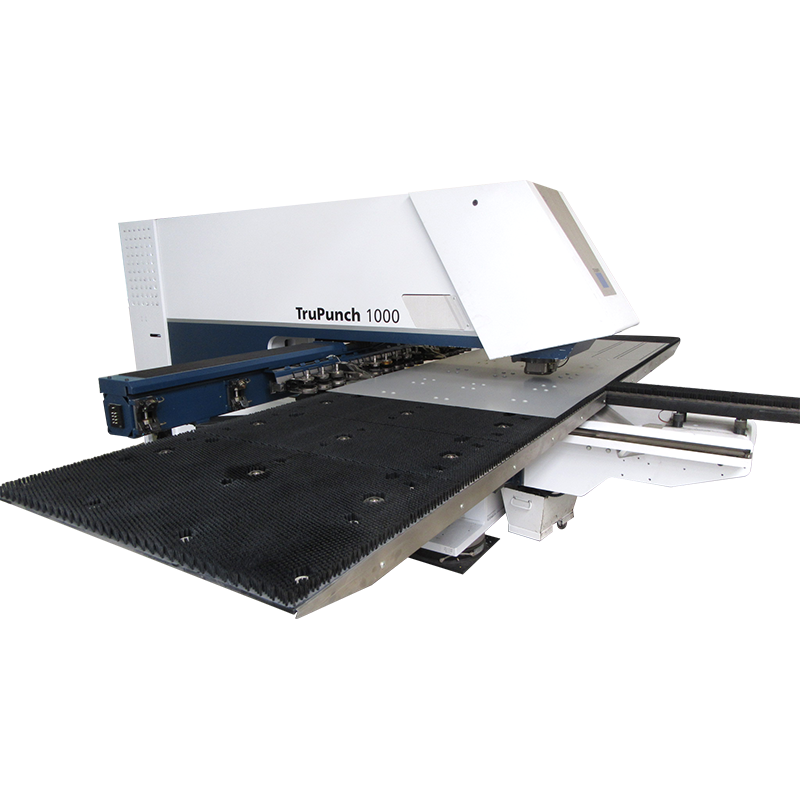
Founded in 2011, the company operates an 8,000 square meter facility with substantial fixed assets. In-house capabilities include laser cutting, CNC punching, bending, and a semi-automatic coating line. This vertical integration supports consistent quality and shorter lead times for custom tank fabrication, frames, and enclosures. As one of the China non-standard customized ultrasonic cleaning equipment suppliers, the company serves domestic and international customers across multiple industries.
A structured workflow reduces project risk and shortens delivery time. The process begins with requirement communication and workpiece analysis, followed by parameter design and mechanical engineering. Fabrication, assembly, and testing are performed in-house. Final delivery includes documentation, installation support, and after-sales service.
The company operates on a simple principle: deliver equipment that performs as specified, support it through its service life, and communicate transparently throughout the project. This philosophy guides engineering decisions, component selection, and after-sales response.
Share your workpiece dimensions, contamination type, and production requirements with our engineering team. We will design tailored non-standard customized ultrasonic cleaning equipment for your process. Fill in the contact form or send an email to receive a detailed quotation.
To accelerate the evaluation, please prepare the following information:
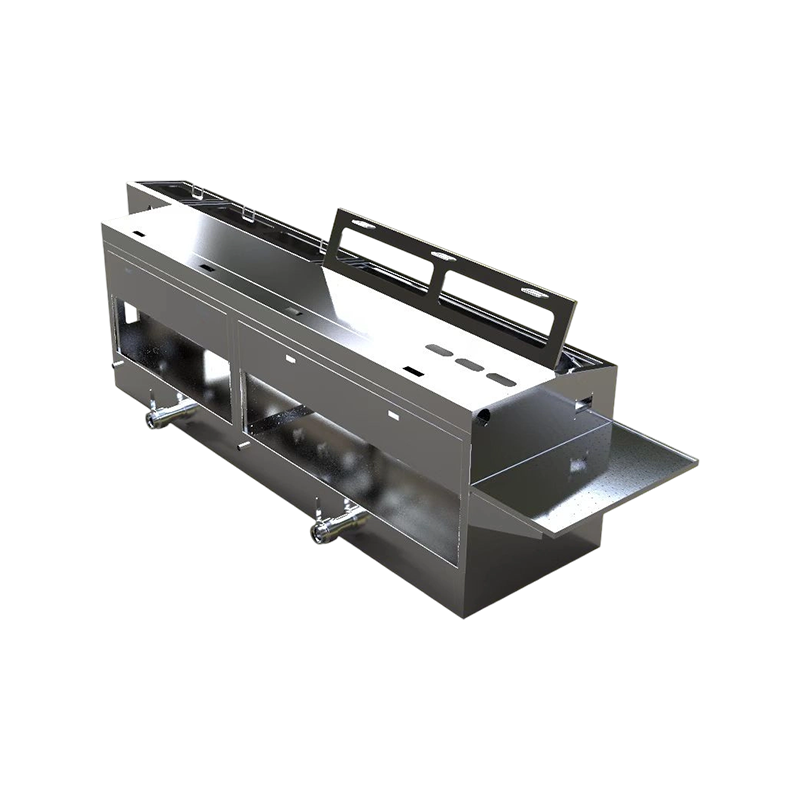
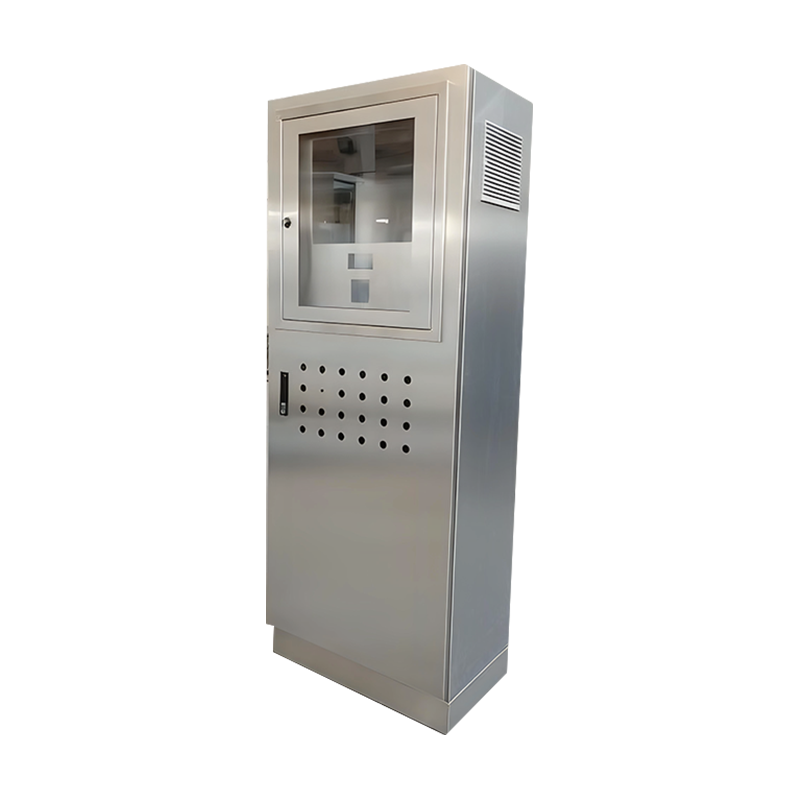
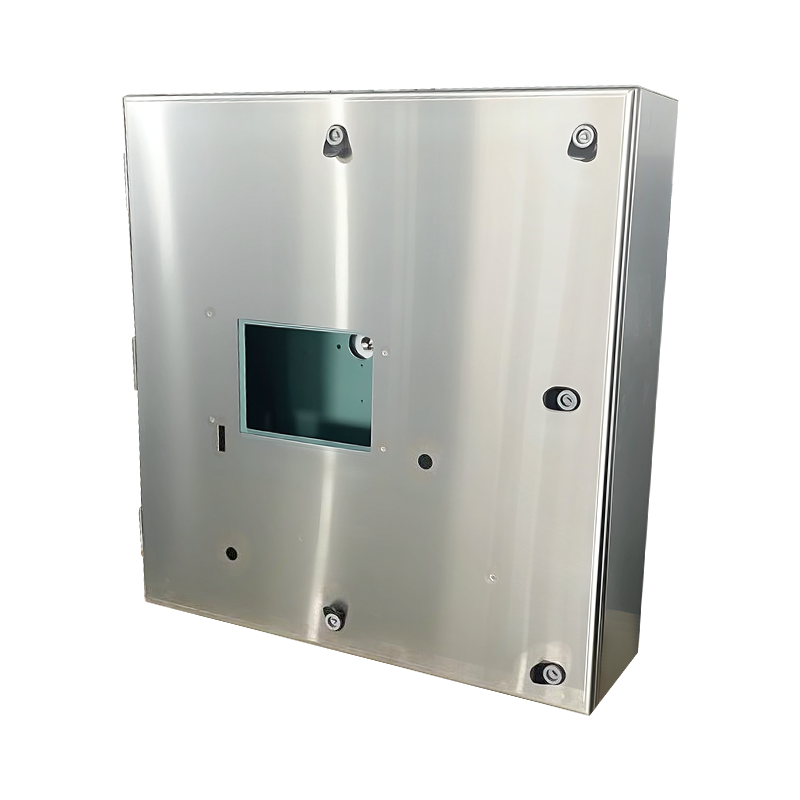
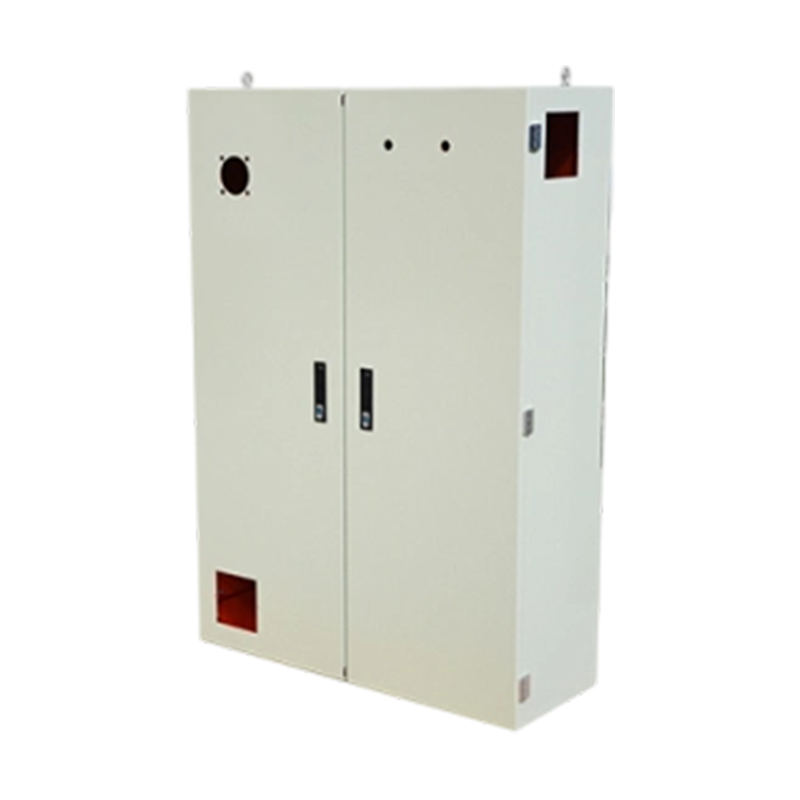
Our team will respond with a technical proposal and commercial quotation. For related custom fabrication capabilities, you may also review our non-standard carbon steel spray workstation and non-standard stainless steel control cabinet solutions.
Standard cleaning equipment works when the part fits the process. When cleanliness specifications, part geometry, or production integration requirements exceed catalog limits, non-standard customized ultrasonic cleaning equipment becomes the practical solution. By aligning tank design, frequency, power, filtration, chemistry, and automation with the actual workpiece and production environment, manufacturers gain a process asset rather than a bottleneck.
Whether the requirement is a single custom tank for laboratory R&D or a multi-stage automated line for high-volume production, the engineering approach remains the same: analyze the part, design the process, and build the equipment to match. Contact our team to discuss your application and receive a tailored quotation.
Content
The variety of models, to meet the development needs of various regions in the world.
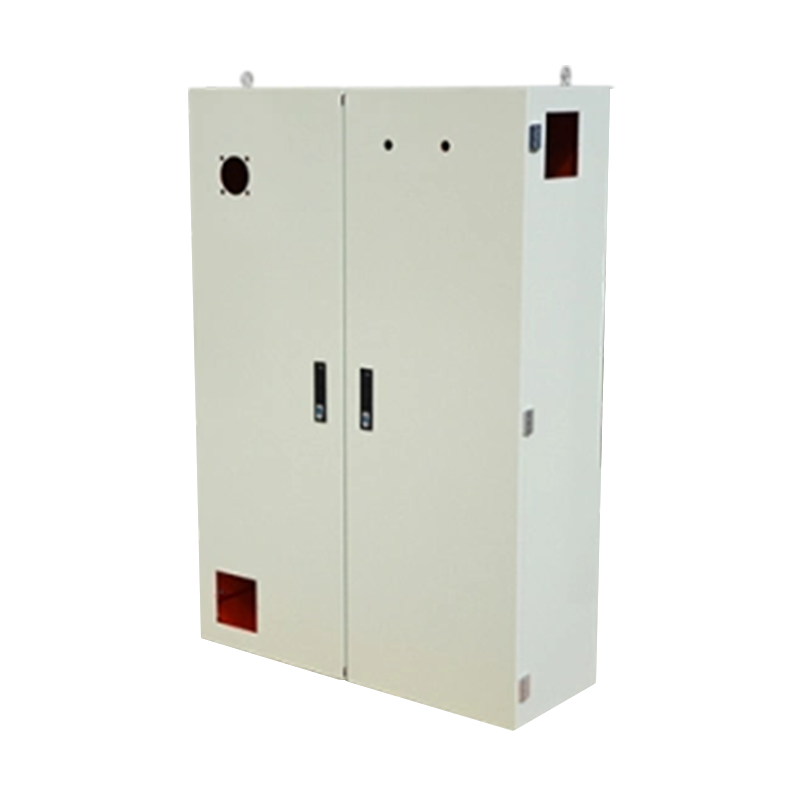
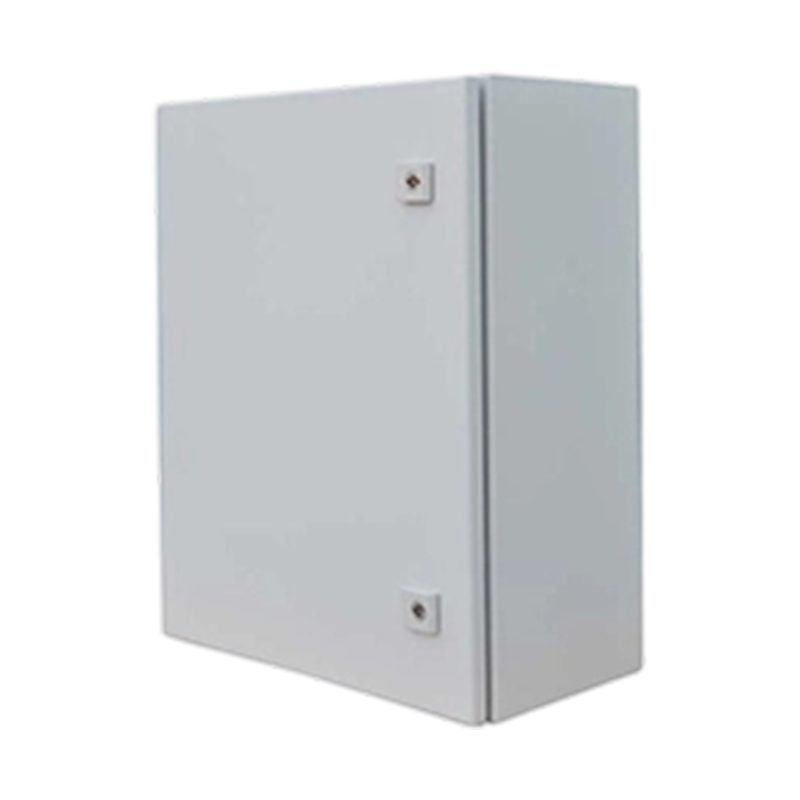
Carbon steel spray-coated AE electrical box
Non-standard carbon steel spray-coated custom cabinet
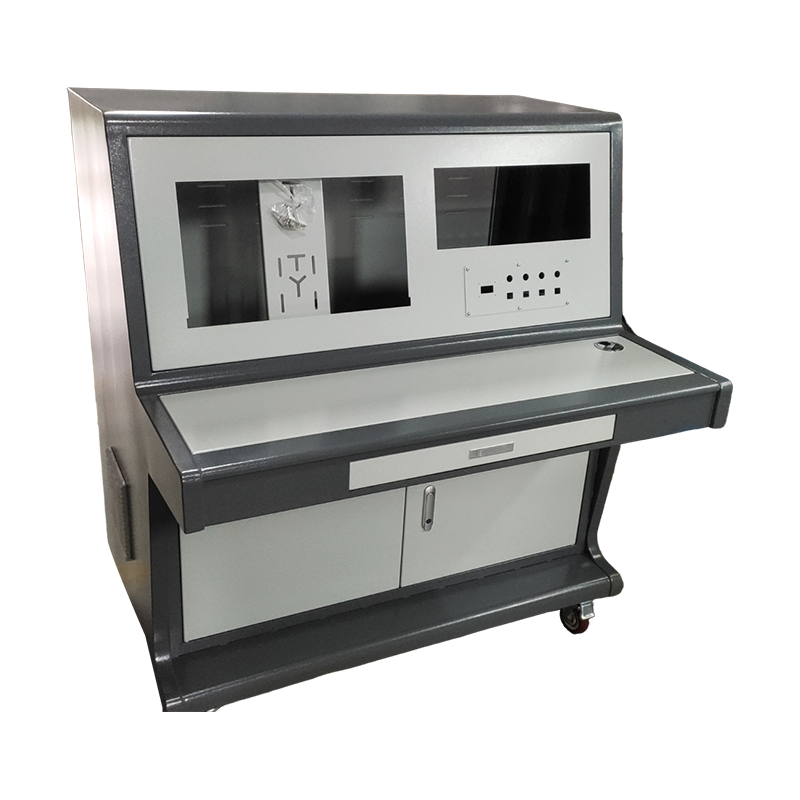
Non-standard customized mobile control panel
Phone:+86-15896481972(zhuxiaosui)
Fax: +86-0510-83890571
E-Mail: [email protected]
ADD:No. 2 Qida Road, No. 1 Shunqi Road, Yuqi Street, Huishan District, Wuxi City, Jiangsu Province, China

 English
 русский
 Español
 中文简体
中文简体