Home / News / Industry News / How to Choose Industrial Electrical Enclosures: IP and NEMA Ratings, Materials and Fabrication Quality
Industry News
Home / News / Industry News / How to Choose Industrial Electrical Enclosures: IP and NEMA Ratings, Materials and Fabrication Quality
How to Choose Industrial Electrical Enclosures: IP and NEMA Ratings, Materials and Fabrication Quality
Why Enclosure Selection Matters More Than Price
Industrial electrical enclosures are the first line of defense for the equipment they house. Choosing the wrong enclosure can lead to unplanned downtime, corrosion, moisture ingress and even safety incidents. Engineers who approach selection as a technical decision, rather than a line item to minimize, consistently achieve longer service life and fewer field failures. This guide walks through protection ratings, materials, fabrication methods and thermal planning so you can specify the right industrial electrical enclosures for your application.
3Core decision areas: protection rating, material, and thermal design
20-30%Recommended spare space for future expansion and airflow
1Correct rating match prevents most premature enclosure failures
Protection Ratings: Understanding NEMA and IP Systems
Protection ratings describe how well an enclosure resists dust, water and mechanical contact. Two systems dominate specifications. NEMA is common in North America and defines environmental performance in terms of use conditions. IP ratings, defined under international standards, use two digits to describe solid particle and liquid ingress protection separately.
Common NEMA Types and Their Use Cases
NEMA Type 1 provides general-purpose protection indoors against falling dirt and light contact with equipment.
NEMA Type 12 adds resistance to dust, dripping non-corrosive liquids and oil or coolant seepage, suited to factory floors.
NEMA Type 4 protects against windblown dust, rain, splashing water and hose-directed water, for indoor or outdoor use.
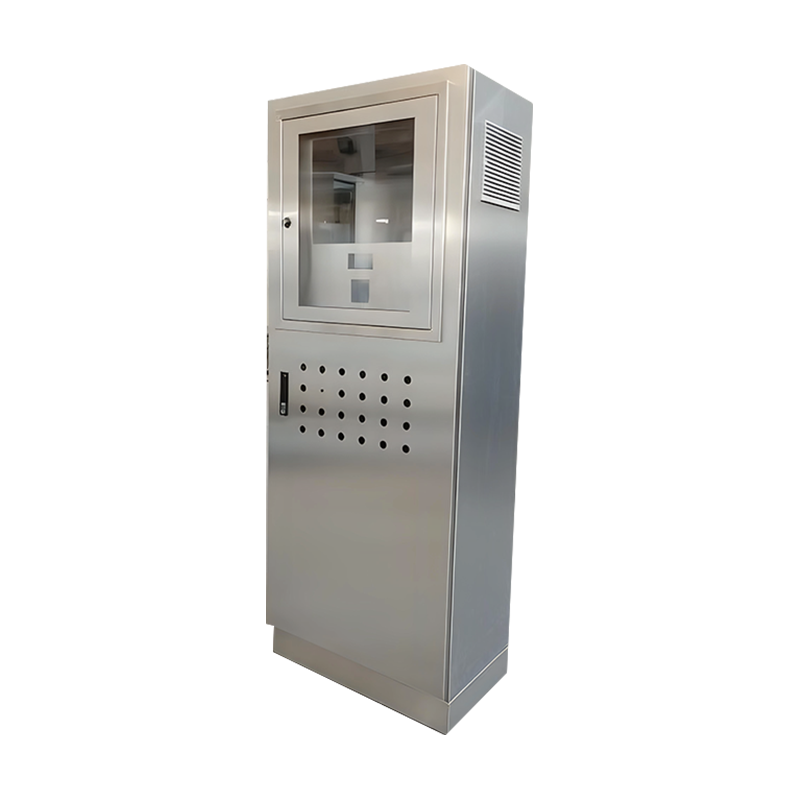
NEMA Type 4X adds corrosion resistance to Type 4 performance, making it the standard choice for washdown areas and corrosive atmospheres.
Mapping IP Codes to NEMA Equivalents
IP Rating
Solid Protection
Water Protection
Closest NEMA Equivalent
IP54
Dust limited ingress
Splashing water
NEMA 12 (approximate)
IP65
Dust tight
Water jets
NEMA 4 (approximate)
IP66
Dust tight
Powerful water jets
NEMA 4 and 4X (approximate)
IP67
Dust tight
Temporary immersion
NEMA 6 (approximate)
Key distinction: IP ratings do not address corrosion. An enclosure can carry a strong IP rating and still degrade quickly in chemical or salt-laden environments. NEMA 4X specifically includes corrosion resistance, which is why engineers working near washdown or coastal sites often specify it explicitly.
Material Selection: From Cold-Rolled Steel to Stainless Steel
Material choice shapes both cost and service life. The right decision depends on humidity, chemical exposure, temperature range and whether the enclosure needs to conduct heat or electricity. Each option below suits a distinct operating profile.
Material Comparison
Material
Best Application
Corrosion Resistance
Relative Cost
Cold-rolled steel with powder coating
Indoor factory and control rooms
Moderate
Low
304 stainless steel
Food processing and general chemical areas
High
Medium
316 stainless steel
Marine, coastal and aggressive chemical sites
Very high
High
Aluminum
Lightweight enclosures needing heat dissipation
Good natural resistance
Medium
Glass-fiber reinforced polyester or polycarbonate
Insulation needs and strongly corrosive atmospheres
Very high
Medium
Practical Decision Logic
Start with the environment: identify whether exposure is dust, moisture, chemicals, salt or washdown cycles.
Check thermal and electrical needs: metal enclosures conduct heat well but may require shielding or grounding, while non-metallic options offer insulation.
Balance lifecycle cost: stainless steel carries a higher upfront price but often avoids premature replacement in harsh sites.
Coated Carbon Steel
Best for controlled indoor environments where budget and mechanical strength matter most.
Stainless Steel
Preferred for hygienic, chemical and outdoor applications requiring long service intervals.
Non-Metallic
Useful where insulation or resistance to aggressive chemicals outweighs strength needs.
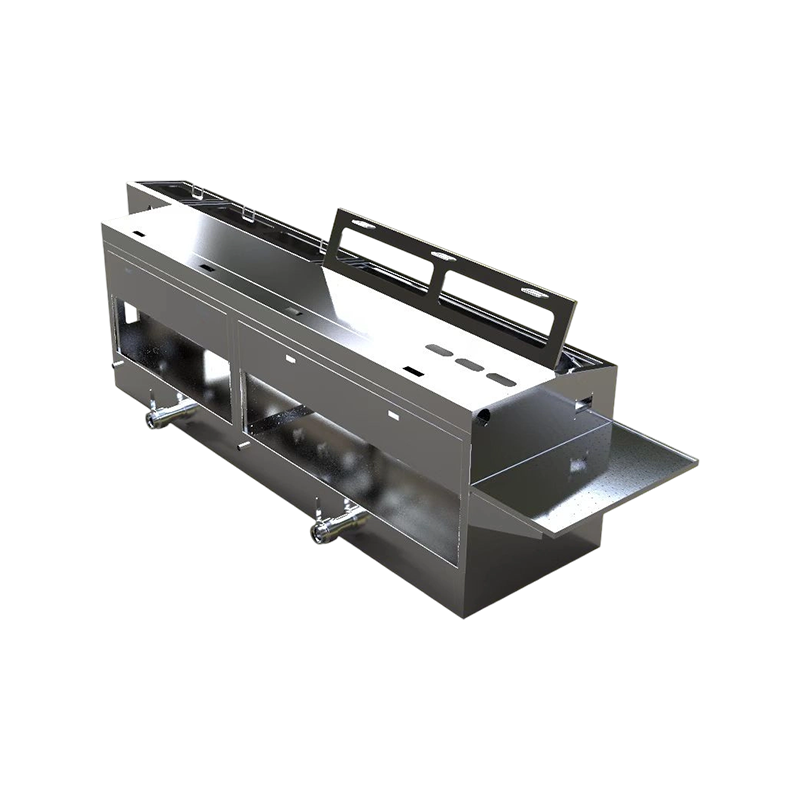
Two enclosures with identical drawings can perform very differently depending on how they are made. Sheet metal enclosures depend on accurate cutting, bending, welding and finishing to achieve reliable sealing and structural rigidity.
Core Sheet Metal Processes
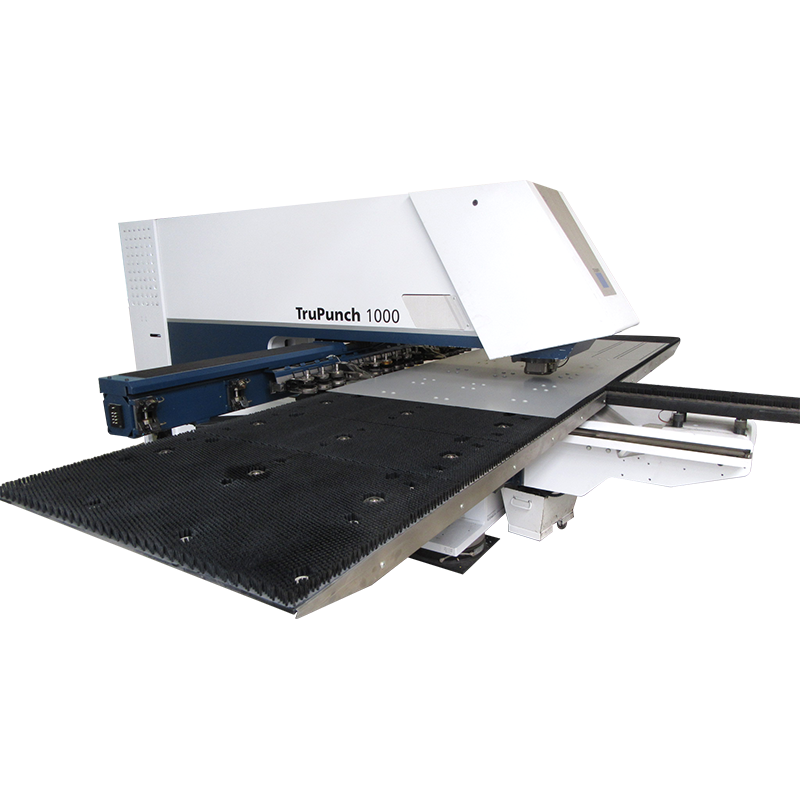
Blanking: laser cutting or punching defines panel outlines, cable openings and mounting holes with tight tolerance.
Bending: precision brake forming creates the box geometry; consistent bend angles are essential for door alignment and gasket compression.
Welding: continuous and seam welds provide structural strength and must be ground smooth to avoid corrosion initiation points.
A door that is out of square by even a small margin can compromise the gasket seal, turning a rated enclosure into one that admits moisture in service.
Custom Features and Knockouts
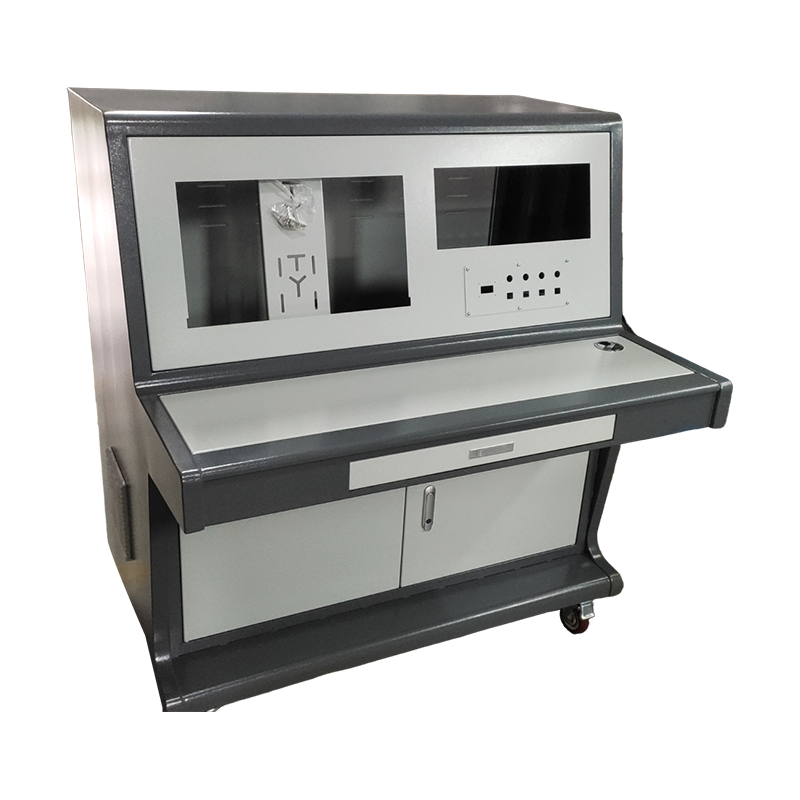
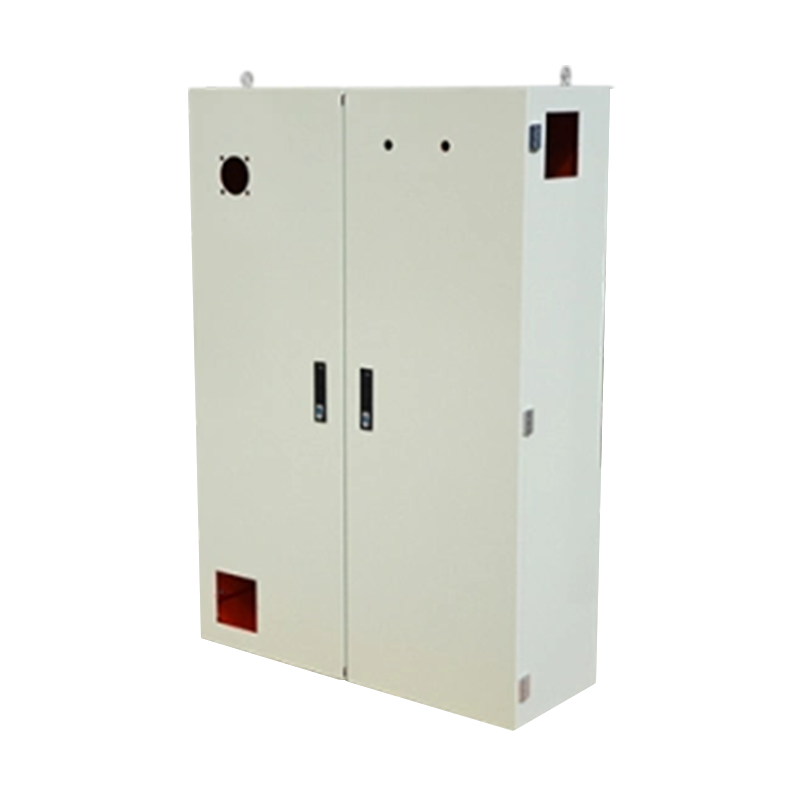
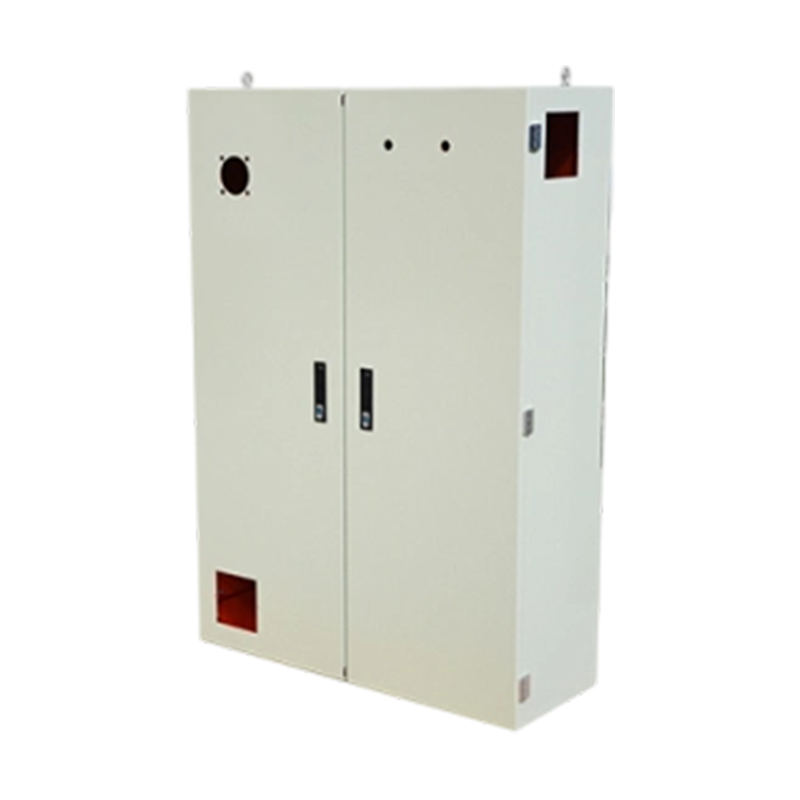
Custom enclosures often require non-standard dimensions, specialized cut-outs for connectors, and knockouts for conduit entries. Knockouts should be positioned with enough clearance from walls and seams to avoid distortion during removal. Engineers should specify hole tolerances and provide drawings early so the fabricator can plan tooling.
Thermal Management and Sizing Strategy
Heat is the silent cause of many enclosure failures. Electronic components age faster at elevated temperatures, so sizing and cooling decisions should be made before the design is finalized.
Choosing a Cooling Approach
Heat Load
Recommended Approach
Typical Use
Low
Passive cooling through natural convection and panel surface area
Small control panels and sensors
Moderate
Gasketed fans with filters or heat exchangers
Drive cabinets and power supplies
High
Air conditioners or closed-loop heat exchangers
High-density automation systems
Mounting Style Selection
Wall-Mounted
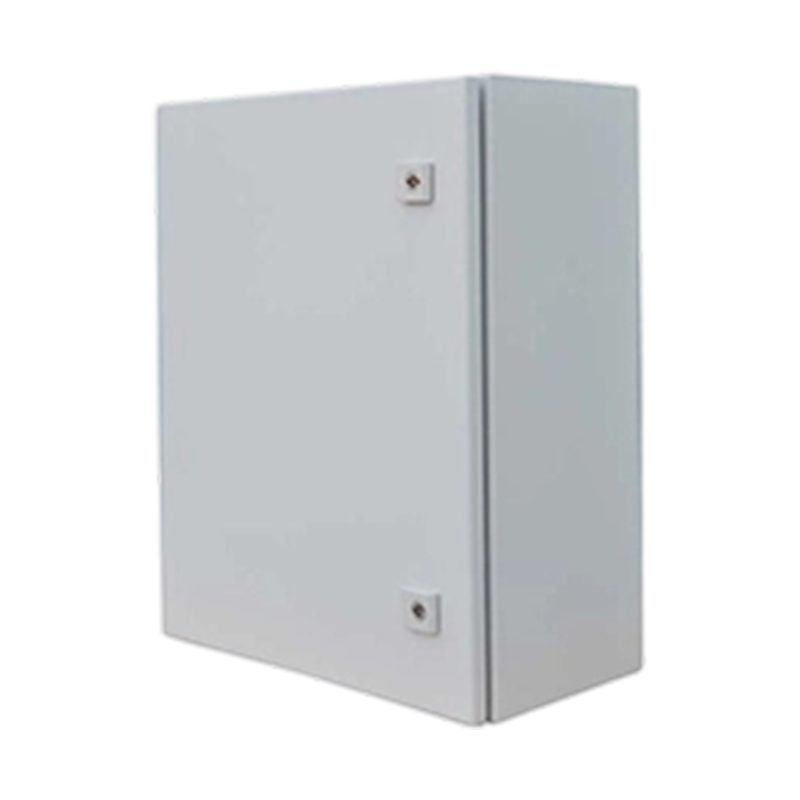
Space-efficient and suited to plant walls and machine sides where floor area is limited.
Free-Standing Cabinet
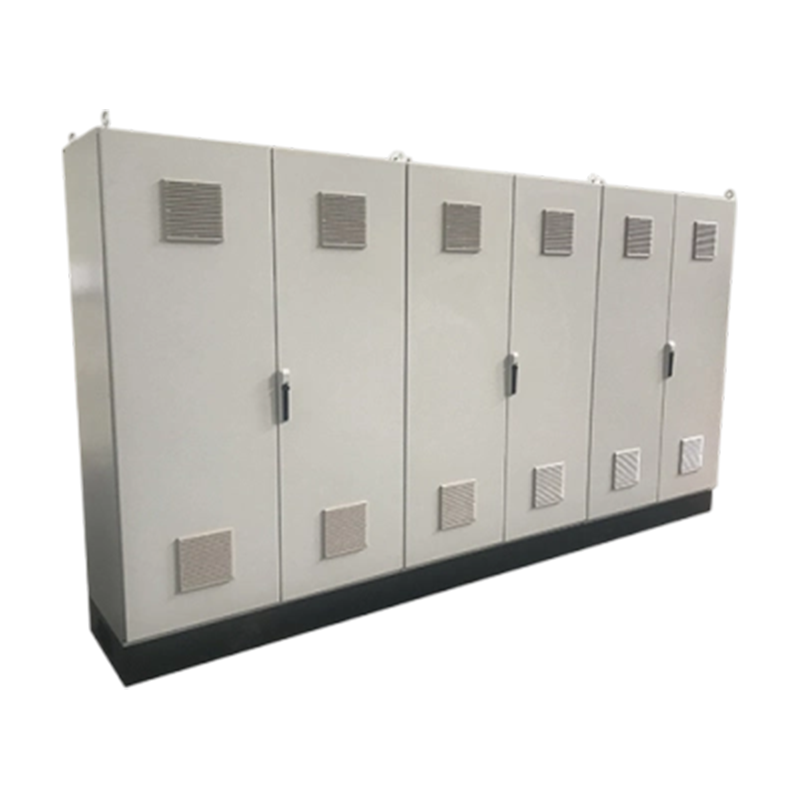
Offers larger internal volume and easier access for service, often used for main control systems.
Pole-Mounted
Common for outdoor installations where equipment must be elevated above ground or flood zones.
Sizing rule of thumb: plan for 20 to 30 percent additional internal space. This allows room for future components, improves airflow and simplifies wiring and maintenance.
Conclusion and Next Steps
A well-specified enclosure combines the right protection rating, a suitable material, and reliable fabrication quality. When these three align with the thermal and mounting requirements, the enclosure protects equipment for its full design life.
Share your environmental conditions, dimensions or drawings with our engineering team, and we will respond with a quotation and technical recommendations within 24 hours.
Frequently Asked Questions
Q1: Is an IP66 enclosure the same as a NEMA 4X enclosure?
Not exactly. IP66 and NEMA 4X overlap in dust and water protection, but NEMA 4X also specifies corrosion resistance, which IP ratings do not address.
Q2: When should I choose stainless steel over coated steel?
Stainless steel is the better choice in washdown, chemical, marine or hygienic environments where corrosion would shorten the enclosure's life.
Q3: How much internal space should I plan for?
A common practice is to allow 20 to 30 percent extra space beyond current component needs for future expansion and better airflow.
Q4: Do custom enclosures cost much more than standard ones?
Costs depend on volume, complexity and finish. Early drawings and clear specifications usually reduce both lead time and cost.


 English
 русский
 Español
 中文简体
中文简体