The Complete Guide to Non-Standard Customized Mobile Control Panels
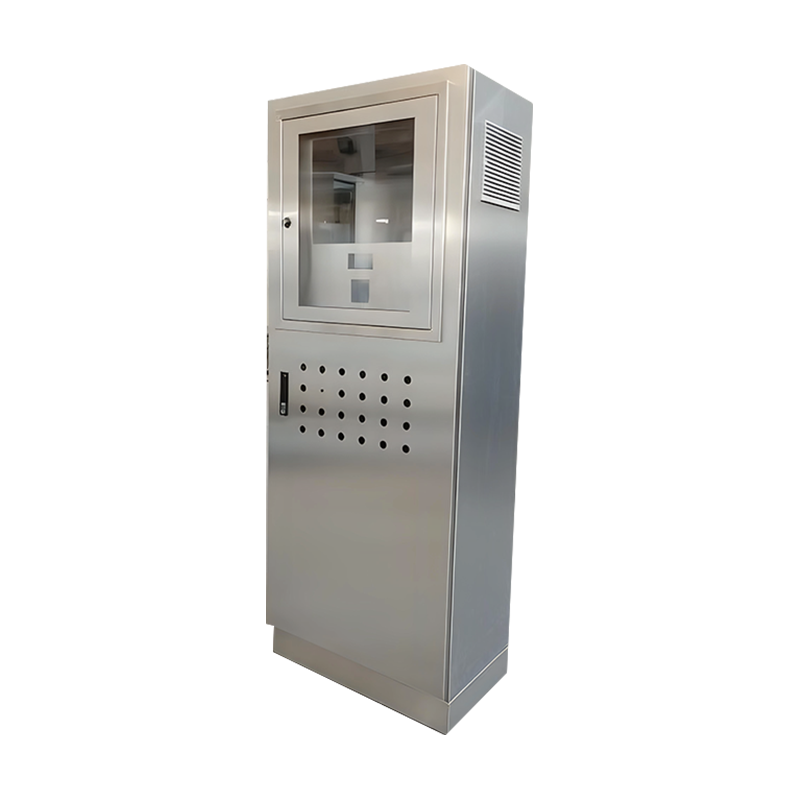
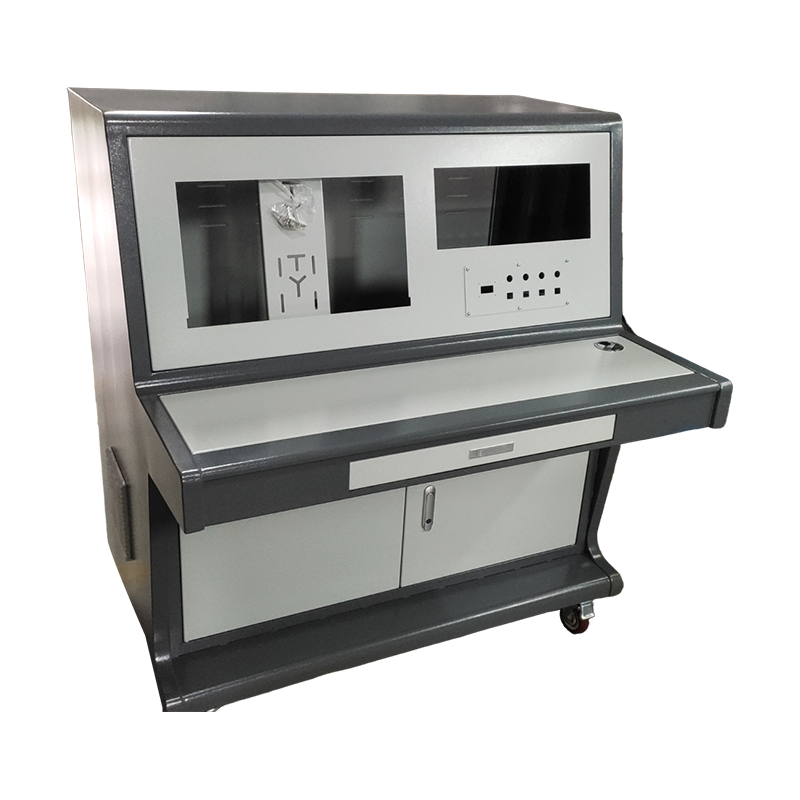
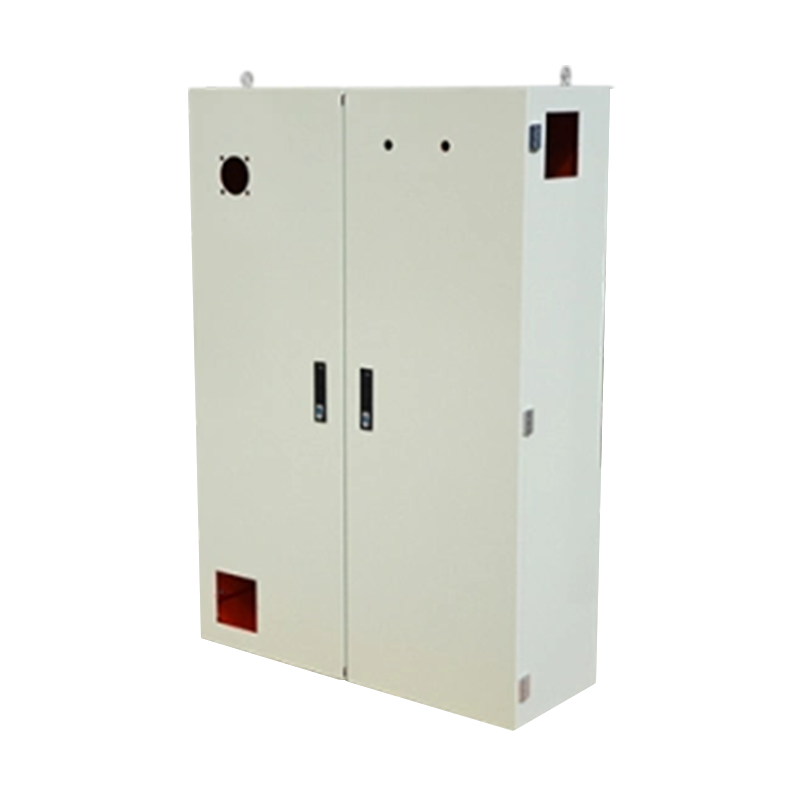
In the evolving landscape of industrial automation and smart manufacturing, flexibility is not just an advantage—it's a necessity. At the heart of this shift towards adaptable production are Non-standard customized mobile control panels. These specialized units transcend the limitations of fixed cabinets, integrating equipment support, mobility, and control functions into a single, purpose-built platform. For manufacturers like Wuxi Runjiu Tian Machinery Co., Ltd., whose expertise lies in integrated sheet metal fabrication, creating these solutions requires a deep synthesis of mechanical design, human factors engineering, and a client-centric approach to truly meet the mobility and flexibility demands of modern operations.
Unlocking Operational Flexibility: The Core Value Proposition
The primary value of a mobile control panel lies in its ability to bring the command center to the point of need. This solves critical inefficiencies in environments where equipment is spread out, processes are frequently reconfigured, or access is limited. They are indispensable for:
- Factory floor machine setup, testing, and troubleshooting.
- Flexible manufacturing cells and pilot production lines.
- Maintenance and service applications across large facilities.
- Educational and R&D laboratories requiring adaptable control stations.
By moving with the workflow, these panels significantly reduce operator downtime, enhance response speed, and support a more agile manufacturing philosophy.
Engineering Considerations: Key Parameters for Design
The effectiveness of a mobile panel is dictated by a set of interlinked engineering parameters. A successful design, facilitated by an integrator like Wuxi Runjiu Tian Machinery, balances all these factors.
Critical Design and Performance Parameters
| Category |
Key Parameters |
Design Impact & Consideration |
| Mobility & Structure |
Load Capacity, Caster Type/Spec, Frame Material/Thickness, Overall Footprint |
Determines stability during movement and static use. Requires calculation of total weight (enclosure, components, cables) and selection of appropriate casters (swivel, lock, brake) for floor conditions. |
| Enclosure & Protection |
IP Rating (e.g., IP54, IP65), Material (e.g., powder-coated carbon steel), Cooling Method |
Ensures protection against dust, liquids, and environmental hazards common to industrial settings. Influences material choice and thermal management design for internal electronics. |
| Human-Machine Interface (HMI) |
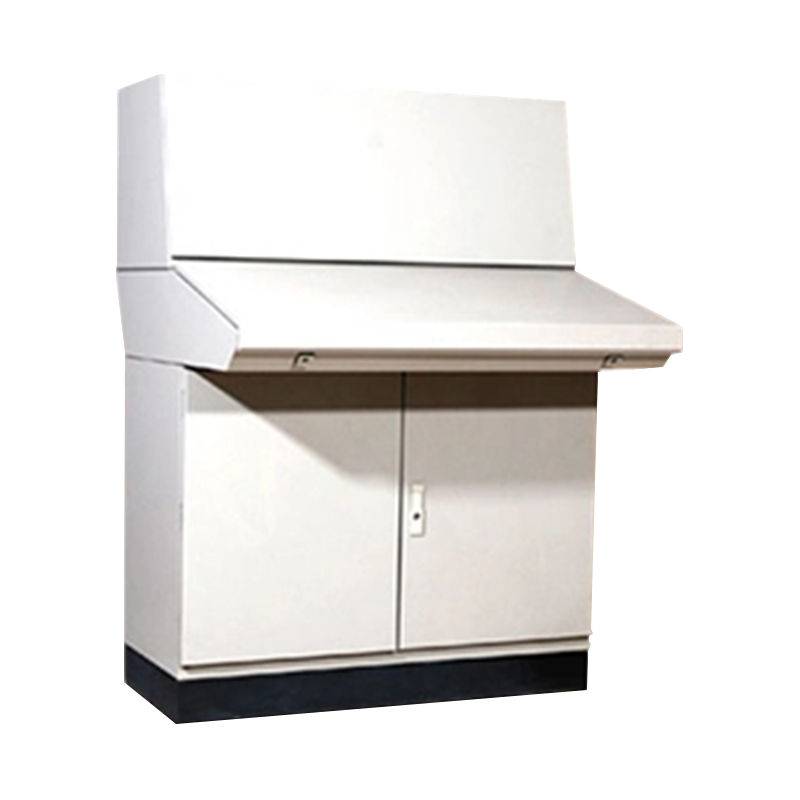
Panel Angle (typically 15°-30°), Operator Height, Component Layout, Cable Management |
Directly affects operator comfort, efficiency, and safety. Ergonomic design reduces fatigue, while thoughtful layout and cable routing (e.g., cable carriers) ensure reliability during movement. |
| Electrical Integration |
Power Entry/Reel, Communication Ports, Internal Wiring Standards, Component Access |
Addresses how power and data connect to a moving unit. Designs must allow for safe, tangle-free movement and easy maintenance access to internal PLCs, drives, and terminals. |
The Fabrication Advantage: From Design to Durable Reality
The leap from a custom design to a robust, reliable product hinges on precision manufacturing capabilities. This is where the integrated model of a sheet metal specialist proves critical.
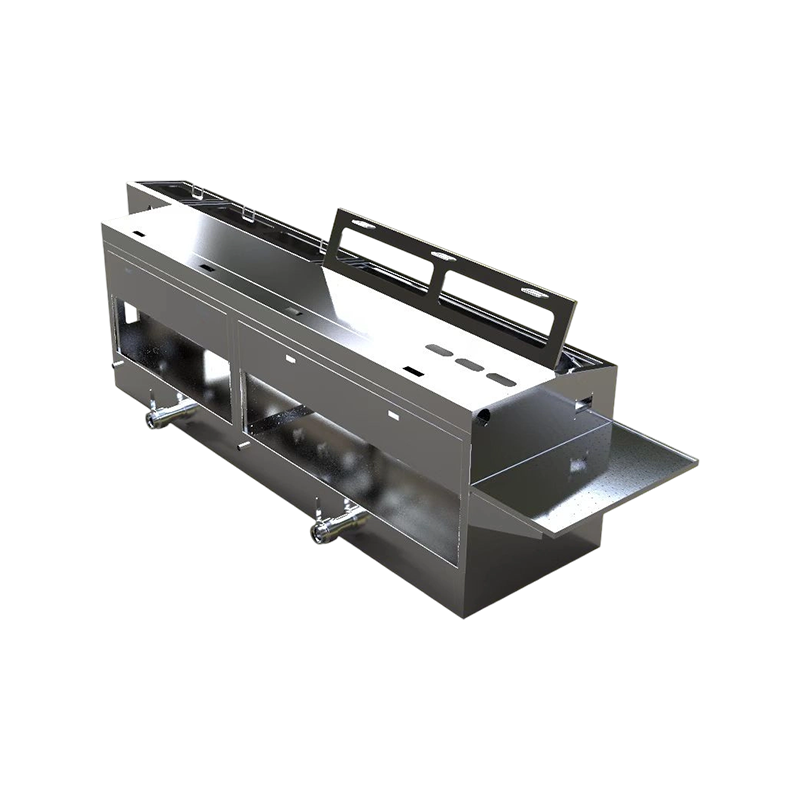
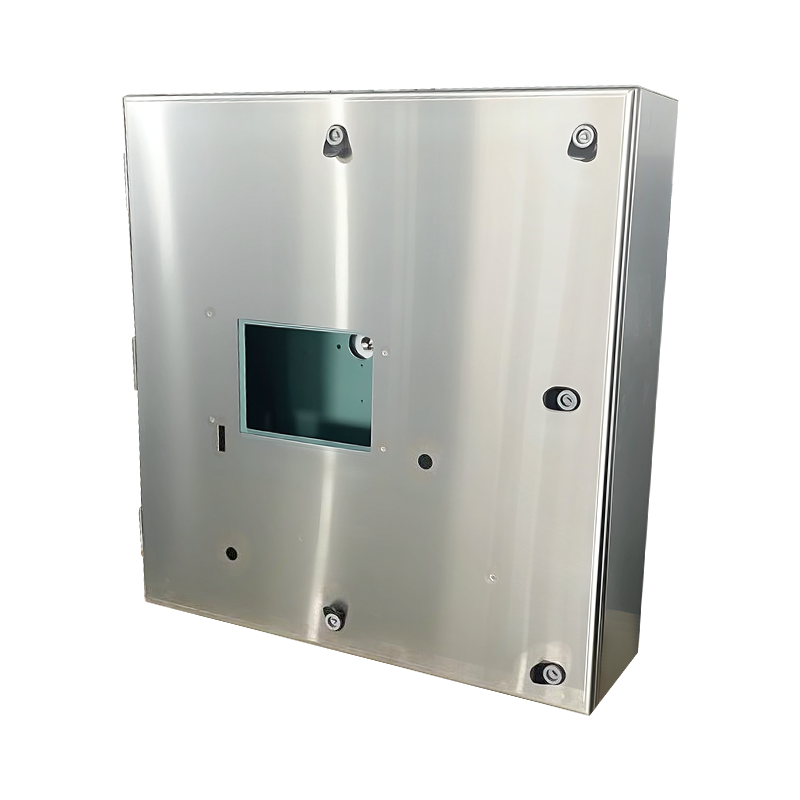
- Precision Forming: High-precision laser cutting and CNC punching ensure that all mounting holes, cutouts for displays, and ventilation patterns are accurate, which is essential for component fit and panel integrity.
- Structural Integrity: CNC bending machines create consistent, right-angle bends, forming a rigid chassis that can withstand the stresses of movement and vibration without warping.
- Professional Finish: A semi-automatic spraying line applies a uniform, durable powder coat. This finish not only provides corrosion resistance and a professional appearance but is also crucial for meeting specific IP ratings by sealing the metal surfaces.
This controlled, in-house fabrication process ensures that the final product faithfully matches the design intent, with the quality and durability required for daily industrial use.
FAQ
What are the main advantages of a custom mobile panel over a standard fixed cabinet on wheels?
The advantages are optimization and integration. A standard cabinet on wheels is a generic solution that often leads to compromised ergonomics, inefficient use of space, and potential over- or under-specification. A custom mobile panel is engineered from the ground up for its specific task. This allows for:
- Perfect ergonomic placement of HMI elements (screens, buttons, joysticks) for the intended operators.
- Optimal internal layout for the exact components being used, improving airflow, serviceability, and structural balance.
- Integration of custom features like dedicated tool holders, document sleeves, or specialized communication ports.
- Right-sized mobility, with casters and a frame designed for the precise load and floor conditions.
This results in greater operator efficiency, enhanced safety, and longer equipment life.
How do I determine the correct IP rating for a mobile control panel in my facility?
The required IP (Ingress Protection) rating is determined by the environmental hazards present where the panel will operate. Consider these guidelines:
- IP54: Suitable for most indoor industrial environments. It protects against limited dust ingress and water splashes from any direction. This is a common choice for general factory floor use.
- IP65: Necessary for areas with higher dust levels, occasional hose-downs, or outdoor exposure. It offers complete protection against dust and low-pressure water jets.
- Higher Ratings (IP66/67): Required for harsh environments like food processing, chemical plants, or frequent wash-down areas.
Always assess the worst-case scenario for dust and moisture exposure when specifying the rating. An integrated manufacturer can advise on sealing methods for doors, cable glands, and cooling vents to achieve the target rating reliably.
What is the importance of ergonomic design in a mobile control panel, and what parameters matter?
Ergonomics directly impact productivity, error rates, and operator well-being. A poorly designed panel can lead to fatigue, strain, and inefficient operation. Critical parameters include:
- Viewing Angle: Display screens should be perpendicular to the operator's line of sight (typically achieved with a 15-30 degree panel tilt) to reduce glare and neck strain.
- Operational Reach: Frequently used buttons, switches, and emergency stops must be within comfortable reach, following standard anthropometric data.
- Working Height: The height of the panel surface should allow the operator's forearms to be roughly parallel to the floor when typing or using controls.
- Cable Management: For movable panels, a robust solution like a steel cable carrier is essential to safely route cables without pinch points or excessive bending, which prevents damage and tripping hazards.
A manufacturer with design integration expertise will factor these elements into the initial CAD model.
Can a mobile control panel be designed for future expansion or reconfiguration?
Absolutely, and this is a hallmark of a well-designed custom solution. Strategies for future-proofing include:
- Modular Internal Layout: Using standardized DIN rails and mounting plates that allow components to be added, removed, or rearranged with minimal effort.
- Spare Capacity: Oversizing the electrical supply (wire ways, breaker space) and specifying a power distribution block with extra terminals.
- Panel Space: Leaving blank spaces on the front panel or interior for additional switches, indicators, or small devices that may be required later.
- Accessible Infrastructure: Ensuring communication wiring (Ethernet, fieldbus) is run in accessible ducts with spare conduits or pull strings for adding future cables.
Discussing potential future needs with your fabricator during the design phase is the best way to build in cost-effective scalability from the start.
Why choose an integrated sheet metal fabricator over separate design and assembly shops for a custom mobile panel?
Choosing an integrated manufacturer like Wuxi Runjiu Tian Machinery offers significant project benefits:
- Single-Point Accountability: One team manages the entire process from concept to delivery, ensuring seamless communication and eliminating finger-pointing between separate design, fabrication, and assembly entities.
- Design for Manufacturability (DFM): Engineers with direct knowledge of the in-house production equipment can optimize the design for efficient, high-quality fabrication, avoiding features that are difficult or costly to produce.
- Quality Control Continuity: Quality standards are applied consistently throughout the entire workflow—from raw material inspection to final assembly—resulting in a more reliable and cohesive final product.
- Efficiency and Timeline: The integrated process typically reduces lead times by eliminating coordination delays between multiple suppliers and streamlining prototyping and revision cycles.
This model aligns perfectly with the goal of receiving a turnkey solution that is built to exact specifications and robust enough for demanding industrial use.

 English
 русский
 Español
 中文简体
中文简体