Introduction
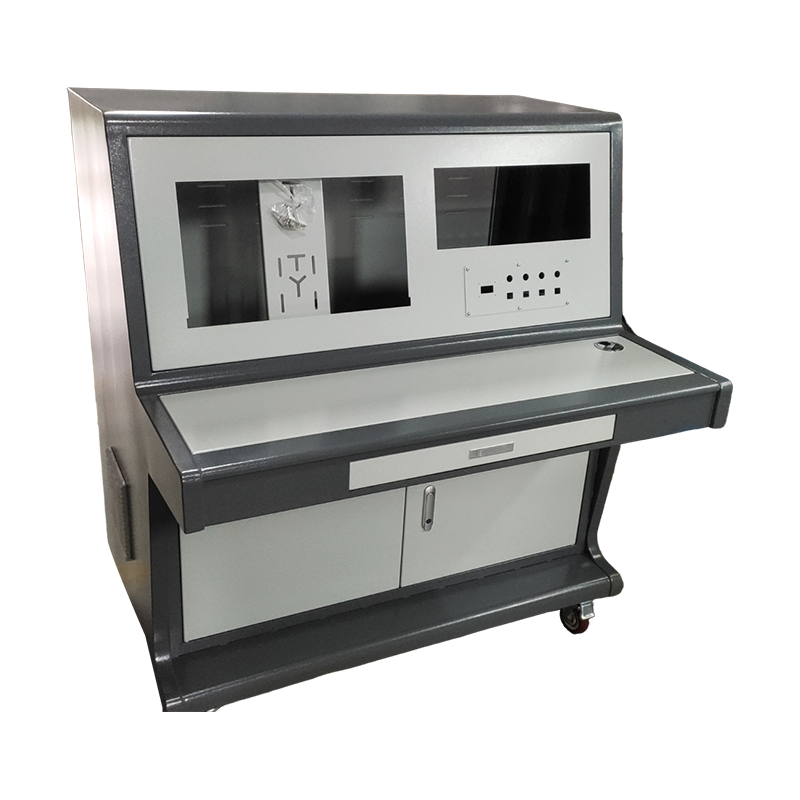
In modern industrial systems, Industrial Electrical Enclosures are everywhere. Whether in automated production lines, power distribution systems, or outdoor control equipment, industrial electrical enclosures are a core component that ensures the safety and stable operation of electrical devices. However, although many people frequently encounter industrial electrical enclosures, they do not always fully understand their functions, design logic, and selection principles.
This article provides a comprehensive explanation of Industrial Electrical Enclosures, covering definitions, design considerations, standards, outdoor applications, material selection, protection ratings, and practical selection guidance. It is intended to help readers gain a systematic understanding of the critical role industrial electrical enclosures play in real-world industrial environments.
What Are Industrial Electrical Enclosures?
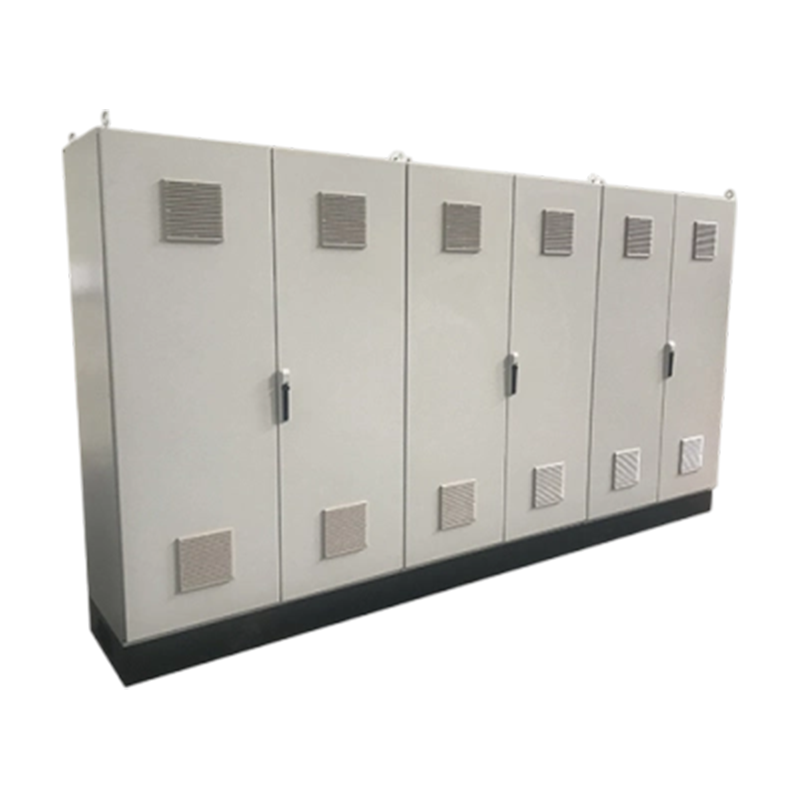
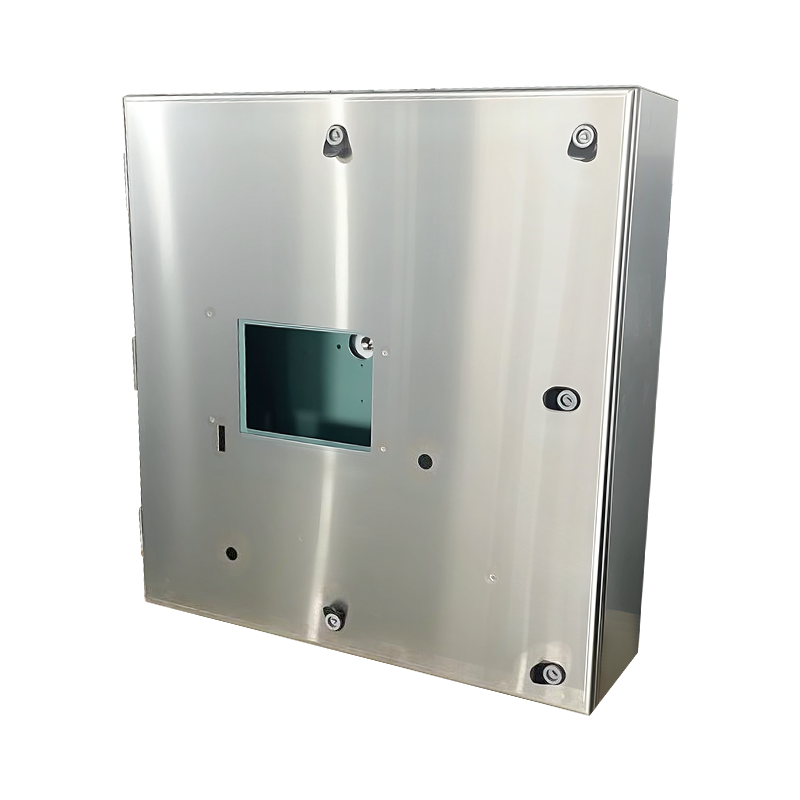
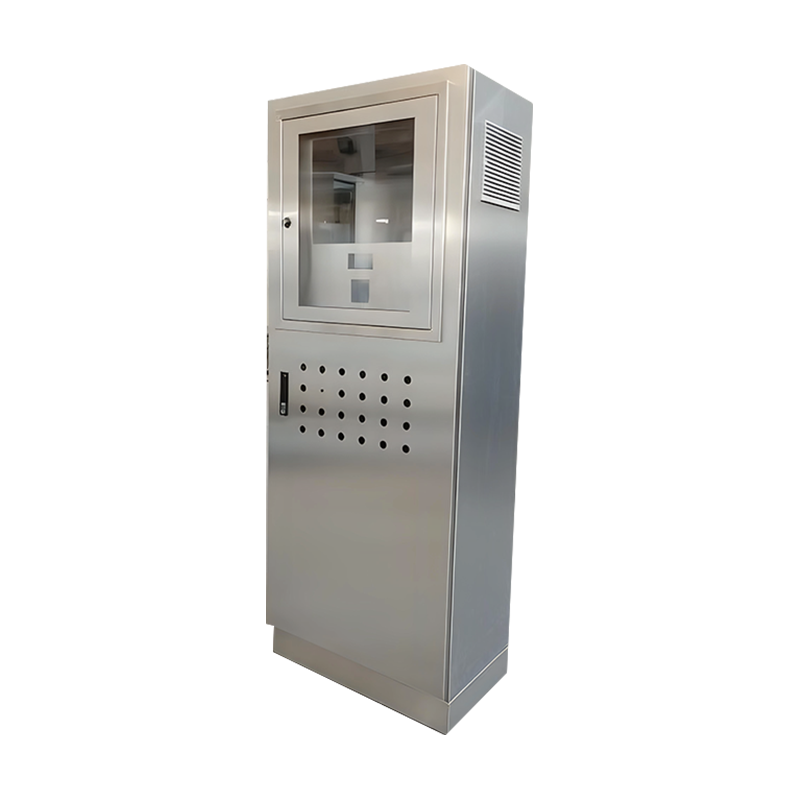
Industrial Electrical Enclosures refer to enclosed structures designed to protect industrial electrical and electronic equipment. These enclosures are commonly used to house circuit breakers, controllers, relays, variable frequency drives, PLCs, power supplies, and other essential electrical components.
Unlike ordinary housings, industrial electrical enclosures are not merely containers. Their primary purpose is to provide long-term, reliable protection for electrical systems operating in complex and often harsh industrial environments.
The Core Functions of Industrial Electrical Enclosures
Industrial electrical enclosures serve multiple essential functions within industrial systems. They protect internal components from dust, moisture, oil, and corrosive substances while also reducing the risk of electric shock and accidental contact. In addition, they provide structural support for mounting components and organizing wiring, which simplifies maintenance and improves operational safety.
By shielding sensitive electrical equipment from environmental stress and physical damage, industrial electrical enclosures help extend equipment lifespan and improve overall system reliability.
Common Application Scenarios
Industrial electrical enclosures are widely used across numerous sectors, including industrial automation, power distribution, machinery control systems, renewable energy installations, infrastructure projects, transportation systems, and industries such as chemical processing, metallurgy, and food production. Each application imposes different demands on enclosure design, materials, and protection levels.
Key Considerations in Industrial Electrical Enclosure Design
Industrial electrical enclosure design is one of the most critical factors affecting equipment reliability and maintenance efficiency. Even high-quality materials cannot compensate for poor design choices, which often lead to operational issues over time.
Internal Space and Layout Planning
A well-designed industrial electrical enclosure must allocate internal space efficiently. Electrical components require adequate spacing to ensure safety and facilitate airflow. Designers often reserve additional space for future expansion, preventing overcrowding that could complicate maintenance or upgrades.
Thoughtful layout planning also improves cable management, separating power, signal, and control wiring to reduce interference and enhance system stability.
Thermal Management and Heat Dissipation
Many industrial electrical components generate heat during operation. Without adequate thermal management, excessive internal temperatures can degrade component performance, shorten service life, and increase failure rates.
Industrial electrical enclosure design therefore often incorporates natural ventilation, forced airflow systems, or passive heat dissipation features. The chosen solution must align with environmental conditions and required protection levels.
Mounting Methods and Structural Stability
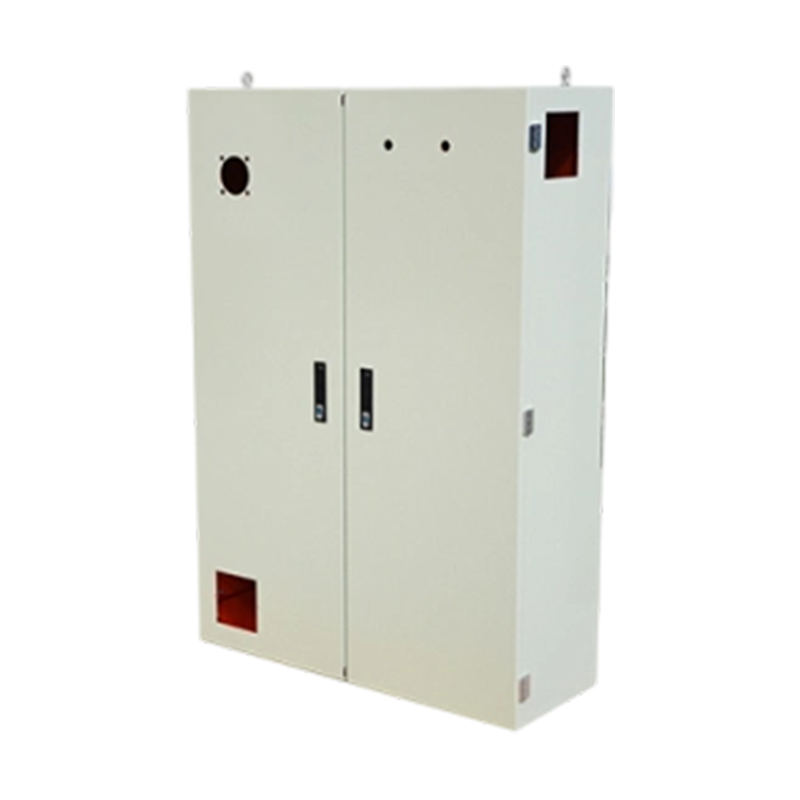
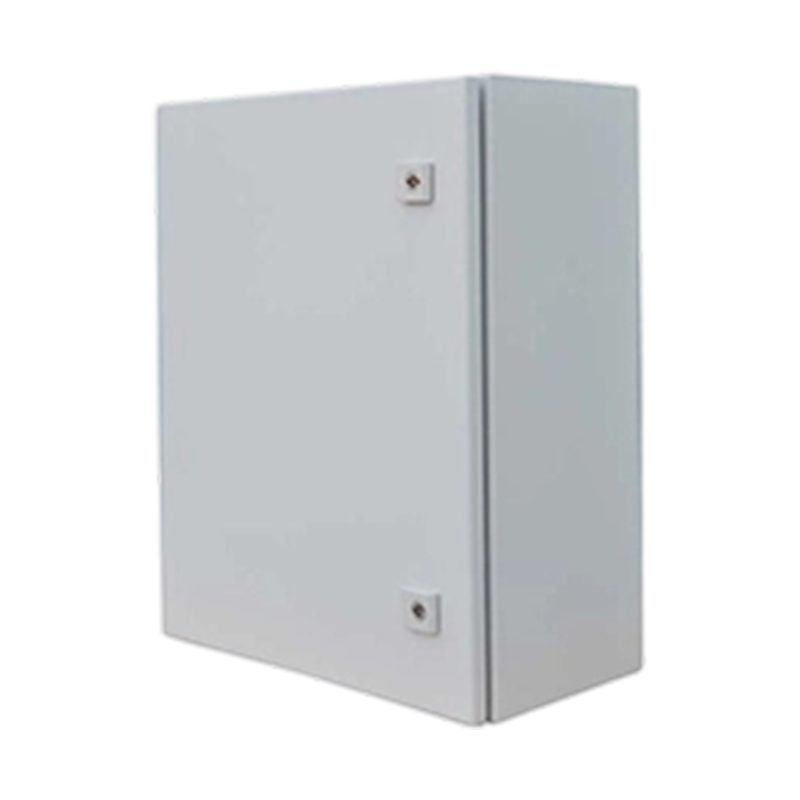
Industrial electrical enclosures are typically installed for long-term use. Common mounting methods include wall-mounted, floor-standing, cabinet-style, and modular configurations. Structural stability is essential, particularly in environments subject to vibration or mechanical impact.
Designers must consider installation space, load-bearing capacity, and operational stresses to ensure the enclosure maintains its integrity throughout its service life.
Maintenance Accessibility and Usability
Effective industrial electrical enclosures are designed with maintenance in mind. Features such as accessible doors, clear internal labeling, and sufficient working space significantly reduce downtime and improve service efficiency.
Industrial Electrical Enclosure Standards and Compliance
Industrial electrical enclosure standards are a vital consideration in industrial projects. Compliance is not only a regulatory requirement but also a fundamental aspect of safety and reliability.
The Importance of Standards
Because industrial electrical enclosures directly affect electrical safety and environmental protection, standardized requirements help ensure consistent performance. Without clear standards, systems may face safety risks, compatibility issues, and inspection challenges.
Types of Applicable Standards
While specific standards vary by region and industry, they generally address mechanical strength, electrical insulation, environmental protection, installation requirements, and testing procedures. These frameworks guide designers and engineers in developing compliant and dependable industrial electrical enclosures.
How Standards Influence Design and Selection
Incorporating standards early in the design phase helps prevent costly modifications later. Requirements related to enclosure dimensions, grounding, sealing, and protection ratings often shape material choices and structural configurations.
Special Challenges of Outdoor Industrial Electrical Enclosures
Compared with indoor applications, outdoor industrial electrical enclosures operate under significantly harsher conditions. Environmental factors tend to overlap, creating compounded stresses on enclosure performance.
Environmental Exposure
Outdoor industrial electrical enclosures must withstand rain, humidity, dust, temperature fluctuations, and prolonged exposure to ultraviolet radiation. Each of these factors can gradually degrade enclosure materials and seals if not properly addressed.
Balancing Sealing and Ventilation
While strong sealing is essential to prevent water and dust ingress, completely sealed enclosures can trap heat and moisture. Many outdoor industrial electrical enclosures therefore integrate pressure-balancing or controlled ventilation solutions to minimize condensation while maintaining protection.
Installation Location Considerations
The physical placement of outdoor industrial electrical enclosures also matters. Units exposed to direct sunlight often experience higher internal temperatures, making environmental assessment a necessary part of enclosure planning rather than an afterthought.
Industrial Electrical Enclosure Materials and Their Impact
Among all performance factors, material selection plays a foundational role in determining the durability and suitability of industrial electrical enclosures.
Matching Materials to Industrial Environments
Different industrial settings place different demands on enclosure materials. In clean, dry indoor environments, corrosion resistance may be less critical. In contrast, chemical plants, coastal installations, and outdoor sites require materials capable of resisting corrosion and environmental degradation.
As a result, industrial electrical enclosure materials are often chosen based on application-specific conditions rather than a universal solution.
Long-Term Maintenance and Service Life
Material quality influences not only initial performance but also long-term reliability. Inferior materials may deteriorate within a few years, while properly selected materials can maintain structural and protective properties over extended operational periods.
From a lifecycle perspective, investing in suitable materials reduces maintenance frequency, lowers the risk of unexpected failures, and supports consistent industrial operation.
Understanding Industrial Electrical Enclosure Protection Ratings
Industrial electrical enclosure protection rating is often discussed but sometimes misunderstood. Protection ratings represent a comprehensive assessment of an enclosure’s ability to resist environmental hazards.
Protection Ratings and Environmental Conditions
Different environments demand different protection capabilities. Dust-heavy manufacturing areas require strong particulate protection, while outdoor or wash-down environments place greater emphasis on water resistance.
Selecting an appropriate protection rating ensures that industrial electrical enclosures perform reliably without unnecessary overengineering.
The Role of Protection Ratings in Practical Selection
Protection ratings must be considered alongside other design factors. Higher ratings can restrict airflow and complicate thermal management, requiring careful balancing of safety, performance, and efficiency.
How to Select the Right Industrial Electrical Enclosures
Choosing suitable industrial electrical enclosures is a multidimensional process that extends beyond basic specifications.
Environmental Assessment
Temperature, humidity, dust levels, and exposure to corrosive substances all influence enclosure performance. A thorough environmental evaluation allows for informed selection decisions and reduces operational risks.
Future Maintenance and Expansion
Beyond immediate requirements, enclosure selection should account for future system growth and maintenance needs. Adequate internal space and flexible design features simplify upgrades and reduce downtime over the system’s lifespan.
Conclusion: The Value of Industrial Electrical Enclosures in Modern Industry
As industrial systems continue to evolve toward greater automation and intelligence, the importance of Industrial Electrical Enclosures continues to grow. They are not merely protective shells but integral components that safeguard system stability and operational continuity.
Through thoughtful design, adherence to standards, appropriate material selection, and a clear understanding of protection ratings, industrial users can deploy effective enclosure solutions tailored to their specific applications.
In complex industrial environments, a carefully planned industrial electrical enclosure solution delivers long-term value, reliability, and safety. For more information about Industrial Electrical Enclosures, understanding these principles is essential for building resilient and efficient industrial systems.


 English
 русский
 Español
 中文简体
中文简体