Introduction
A flame arrestor plate is a critical safety device designed to prevent flames from spreading through industrial systems like pipelines and storage tanks in environments with flammable gases. It protects personnel and equipment from fire and explosion risks.
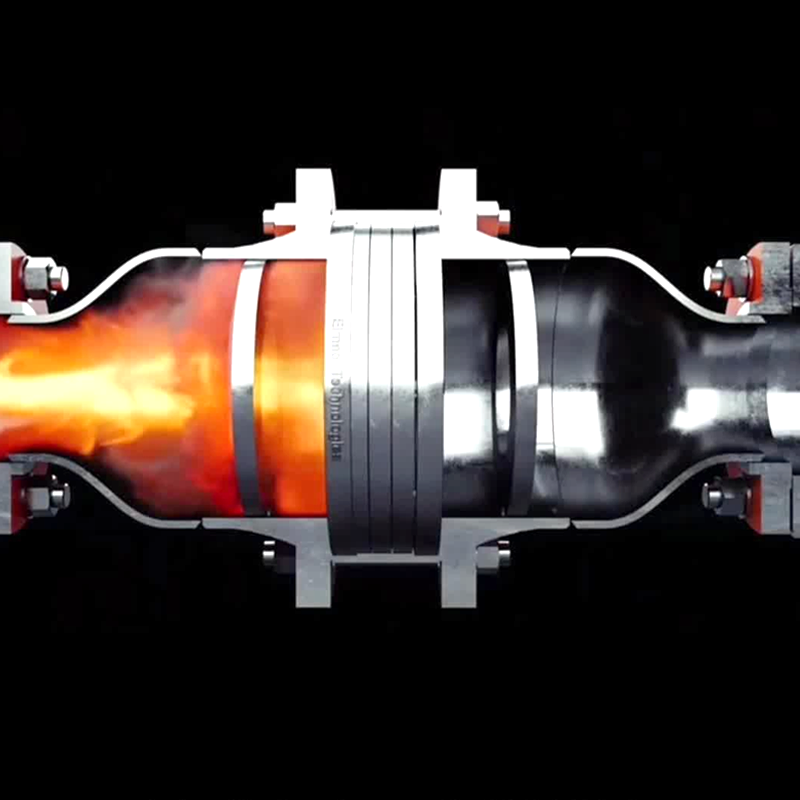
The flame arrestor works by cooling the flame before it can spread. As the flame passes through small channels within the plate, the metal walls absorb the heat, reducing the flame’s temperature below the ignition point. This stops the combustion process.
Additionally, the narrow channels cause free radicals in the flame to collide with the walls, disrupting the combustion chain reaction. This reduces the number of radicals, further preventing the flame from propagating.
In essence, the flame arrestor acts as a “flame filter,” using heat absorption and disruption of the combustion process to protect both equipment and personnel.
Understanding Flame Arrestor Plates: Key Mechanisms and Functions
Flame arrestors are specialized devices that prevent the spread of flames in systems where flammable gases, vapors, or dust are present. Their primary function is to interrupt the combustion process, ensuring that flames do not propagate from one area to another. This is especially crucial in industries where highly flammable substances are handled, such as chemical plants, oil refineries, and gas pipelines.
The two core mechanisms through which flame arrestor plates operate are the heat transfer effect and the wall effect (quenching effect). To further elaborate on these concepts, let’s dive deeper into how they work.
Heat Transfer Effect (Cooling Effect)
The heat transfer effect is a critical mechanism by which flame arrestors control the temperature of a flame. As a flame approaches the flame arrestor plate, the dense network of narrow channels forces the flame to break into multiple smaller streams. This action increases the contact area between the flame and the channel walls. The walls of the flame arrestor, typically made from high-conductivity metals, rapidly absorb the heat from the flame.
The rapid absorption of heat causes the temperature of the flame to drop quickly. As the temperature decreases, it may fall below the ignition point of the surrounding flammable material, thus stopping the combustion reaction. When this happens, the flame is extinguished, preventing it from continuing its propagation through the system. This cooling effect is vital for flame arrestors to protect industrial systems from uncontrolled fires or explosions.
Wall Effect (Quenching Effect)
The wall effect, or quenching effect, refers to the physical interaction between the flame and the channel walls of the flame arrestor. Combustion is a chain reaction that relies on the continuous generation of free radicals—highly reactive molecules that drive the combustion process. In the narrow channels of a flame arrestor, the likelihood of these free radicals colliding with the metal walls increases significantly. These collisions consume the energy of the free radicals, reducing their availability to participate in the combustion reaction.
When the channels of the flame arrestor become sufficiently narrow, free radicals are effectively deactivated before they can interact with other molecules of combustible gas or vapor. This disruption of the combustion chain reaction prevents the flame from continuing to propagate, effectively quenching it before it can cause harm. As a result, the flame arrestor prevents the spread of fire into unburned gas areas, providing a critical safety measure in high-risk environments.
Types of Flame Arrestor Plates and Their Applications
Flame arrestor plates come in various designs, each suited to different industrial applications. The choice of flame arrestor depends on the type of system, the environment, and the specific safety requirements of the operation.
Inline Flame Arrestor Plates
Inline flame arrestors are installed directly within the pipeline or system where the flow of combustible gases or vapors occurs. These arrestors are designed to prevent the spread of flames within long pipe systems or ventilation ducts. They are most effective in preventing flame propagation in large industrial systems such as gas pipelines, chemical processing facilities, and oil refineries.
Applications:
- Gas pipelines: Prevent flame propagation in long-distance gas transmission lines.
- Chemical plants: Protect sensitive areas of the plant where flammable chemicals are transported.
- Ventilation systems: Control the risk of flame spread in large ventilation systems in industrial buildings.
End-of-Line Flame Arrestor Plates
End-of-line flame arrestors are installed at the outlet or end point of a pipe or system. These devices are typically used in applications where the flame hazard is present at the terminal end of a system, such as the exhaust system of a furnace or a venting system for a tank.
Applications:
- Tank vents: Used in storage tanks or pressure vessels to prevent flames from entering the tank through the vent system.
- Exhaust systems: Protect the exhaust gases emitted by industrial furnaces, engines, and combustion systems.
Comparison of Inline and End-of-Line Flame Arrestor Plates
| Feature |
Inline Flame Arrestor |
End-of-Line Flame Arrestor |
| Installation Location |
Installed within the pipeline or system |
Installed at the end of the system (e.g., vents, exhausts) |
| Applications |
Gas pipelines, chemical plants, ventilation systems |
Tank vents, exhaust systems, pressure relief vents |
| Function |
Prevents flame spread within the pipeline or system |
Prevents flames from entering a system or tank |
Custom Flame Arrestor Plates
In some industries, off-the-shelf flame arrestors may not meet the specific needs of a particular system. Custom flame arrestor plates are designed to meet the unique requirements of high-risk environments, such as those that involve extremely high temperatures or unusual gas mixtures. These custom-made arrestors are tailored to fit the dimensions and safety standards of a particular installation.
Applications:
- High-temperature systems: Used in systems like steel mills and glass furnaces where high temperatures are a concern.
- Custom chemical environments: Designed for systems handling volatile or highly reactive chemicals.
Installing Flame Arrestor Plates: Best Practices
Proper installation of flame arrestor plates is critical to their effectiveness. When incorrectly installed, flame arrestors may fail to perform their intended function, leading to the risk of fire or explosion. Below are the key considerations for correctly installing flame arrestor plates in various systems.
Step 1: Determine the Type of Arrestor Needed
The first step in installation is to determine which type of flame arrestor is required. Inline arrestors are typically used in pipelines, while end-of-line arrestors are ideal for tank vents and exhaust systems. Understanding the system’s layout and the potential fire risks is essential for choosing the right device.
Step 2: Proper Sizing and Alignment
Correct sizing is crucial for the flame arrestor to function effectively. The diameter of the flame arrestor should match the size of the pipe or vent it will be installed in. Additionally, the arrestor should be aligned properly to ensure that gases flow through it as intended, with no obstruction to the flow.
Step 3: Secure Installation
Once the flame arrestor is selected and sized, it must be securely installed in place. This involves ensuring that the arrestor is tightly sealed to prevent leakage, as even a small gap could allow flames to pass through. The installation must also comply with local safety standards and industry codes.
Maintenance and Safety Considerations for Flame Arrestor Plates
Like all safety devices, flame arrestors require regular maintenance to ensure they continue to function effectively. Neglecting maintenance could result in reduced performance, leading to dangerous situations. Here are key maintenance considerations:
Regular Inspections
Inspect the flame arrestor periodically to ensure it remains free from damage, dirt, or debris that may obstruct the channels. Visual checks for corrosion, cracks, and any other signs of wear are essential. Any signs of damage should be addressed immediately to avoid system failure.
Cleaning
Flame arrestors should be cleaned regularly to remove any accumulated dust or other contaminants that may impede their function. Cleaning procedures should follow manufacturer guidelines to prevent damage to the arrestor’s material or structure.
Replacement of Parts
After a certain period or after sustained exposure to high heat, the metal parts of the flame arrestor may wear out or lose their effectiveness. In such cases, replacing the arrestor or its components is essential to maintaining safety.
Flame Arrestor Plate Maintenance Schedule
| Maintenance Task |
Frequency |
Recommended Action |
| Visual Inspection |
Quarterly |
Check for cracks, corrosion, or external damage |
| Cleaning |
Annually or as needed |
Remove dust, debris, and other contaminants |
| Functional Testing |
Annually |
Test the arrestor’s performance in controlled conditions |
| Replacement of Components |
As needed |
Replace parts that show signs of wear or damage |
Conclusion
Flame arrestor plates play a vital role in maintaining the safety of industrial systems that handle flammable gases, vapors, and chemicals. By understanding their mechanisms, types, installation procedures, and maintenance requirements, industries can significantly reduce the risk of fire and explosion. Properly installed and maintained flame arrestor plates provide essential protection, ensuring that flames are extinguished before they can cause harm. In high-risk environments, the choice of the correct flame arrestor plate and adherence to safety standards can mean the difference between disaster and a safe, controlled operation.
FAQ
What is a Flame Barrier Plate?
A flame barrier plate is a protective device used to prevent the spread of flames in industrial and manufacturing environments. It acts as a physical barrier to block high temperatures and flames from spreading across areas.
What Are the Installation Steps for Flame Barrier Plates?
- Prepare the installation site by cleaning the surface.
- Position the plate securely where flame control is needed.
- Use appropriate fastening methods, like bolts or anchors, to secure the plate in place.
- Check for proper alignment and sealing.
How Do You Maintain Flame Barrier Plates for Long-Term Effectiveness?
Regularly inspect for signs of wear or damage. Clean the plates to remove debris or buildup, and check for corrosion. Replace any damaged parts promptly to ensure effectiveness.
Which Industries Need Flame Barrier Plates?
Flame barrier plates are commonly used in industries such as oil and gas, chemical processing, power generation, and manufacturing environments that involve high temperatures or combustible materials.
How Do You Choose a Flame Barrier Plate That Meets Standards?
Choose a flame barrier plate based on its fire-resistance rating, material quality, and compatibility with your environment. Ensure the product meets local safety and regulatory standards.


 English
 русский
 Español
 中文简体
中文简体