In modern industrial automation, the interface between human operators and machinery has become a critical factor affecting productivity, safety, and adaptability. While standardized control panels serve many general-purpose applications, a growing number of production environments demand more tailored solutions. This is where the non-standard customized mobile control panel demonstrates its clear advantages. Designed to meet specific spatial, operational, and environmental requirements, such panels offer flexibility that off-the-shelf products cannot match.
Standard control panels assume average operator height, reach, and visual range. However, real-world industrial floors vary significantly. A non-standard customized mobile control panel can be shaped, angled, and sized to fit unique workstation layouts or mobile platforms such as automated guided vehicles (AGVs), cranes, or mobile robots.
For example, operators who move between different stations benefit from a panel that is lightweight, grip-optimized, and includes only the controls they frequently use. Buttons, touchscreens, joysticks, and emergency stops can be placed exactly where natural hand movements occur, reducing fatigue and reaction time. This precision is not possible with rigid standard designs.
| Feature | Standard Panel | Non-Standard Customized Mobile Control Panel |
|---|---|---|
| Button placement | Fixed layout | Optimized for operator hand dominance and motion |
| Weight distribution | Uniform, often rear-heavy | Balanced for portability |
| Screen angle | Non-adjustable | Tilt-adjustable or per-task configurable |
| Grip integration | None or generic | Ergonomic handles with control elements |
Such ergonomic tailoring directly reduces human error and improves shift-long productivity.
Industrial environments present dust, moisture, vibration, temperature extremes, and electromagnetic interference. A non-standard customized mobile control panel can be engineered with specific ingress protection (IP) ratings, shock-resistant casings, and sealed connectors that match the actual operating conditions.
For instance, a panel used in a food processing plant requires high-pressure washdown resistance (IP69K) and smooth surfaces to prevent bacterial growth. In a foundry, heat-reflective coatings and vibration-damped internal mounts become essential. Standard panels often compromise between these extremes, whereas custom solutions target the exact threat profile.
Moreover, mobile panels experience repeated docking and undocking, cable flexing, and accidental drops. Custom designs allow reinforced corners, strain-relief cable entries, and replaceable wear parts. The result is longer mean time between failures (MTBF) and lower unplanned downtime.
Industrial automation systems rarely consist of equipment from a single era or protocol. Legacy PLCs, modern IoT gateways, proprietary fieldbuses, and wireless networks must coexist. A non-standard customized mobile control panel can incorporate multiple communication interfaces—PROFINET, EtherCAT, Modbus TCP, OPC UA, or even analog signal conditioning—within one enclosure.
Integration goes beyond hardware. Custom firmware or software can preload machine-specific diagnostic screens, recipe selectors, or maintenance wizards, eliminating the need for operators to navigate generic menus. This reduces training time and accelerates fault resolution.
| Integration Aspect | Benefit of Customization |
|---|---|
| Protocol support | Mix of legacy and modern fieldbuses |
| I/O configuration | Exactly the required digital/analog channels |
| Wireless options | Pre-installed 5G, Wi-Fi 6, or Bluetooth |
| Safety circuits | Integrated dual-channel e-stop with sil rating |
By contrast, standard panels often force engineers to add external gateways, signal converters, or secondary panels, introducing additional failure points.
Machine builders and system integrators frequently face tight spatial constraints. A non-standard customized mobile control panel can adopt curved, L-shaped, or even split-body configurations that wrap around machine columns or fit inside cramped operator cabins.
For mobile applications—such as remote-controlled mining equipment, port cranes, or agricultural machinery—every kilogram and cubic centimeter matters. Custom panels allow hollow structures for cable routing, flush-mounted emergency stops to avoid snagging, and modular add-ons that attach only when needed. Standard panels, being rectangular and thick, often become spatial bottlenecks that force larger enclosures or compromise operator line-of-sight.
A common misconception is that custom always costs more. While the initial engineering investment for a non-standard customized mobile control panel may be higher than buying a standard catalog product, the total cost of ownership (TCO) often favors customization in three ways:
Additionally, standard panels sometimes require external add-ons (protective covers, signal converters, mounting adapters) that drive up both initial cost and maintenance complexity. Customization internalizes these needs into a single, ruggedized unit.
Different industries mandate specific safety standards: ISO 13849 for machinery, IEC 62061 for functional safety, ATEX for explosive atmospheres, or ANSI/RIA for robotics. A non-standard customized mobile control panel can be certified as a complete system, ensuring that every component—from the emergency stop relay to the cable gland—meets the required performance level (PLr) or safety integrity level (SIL).
Attempting to achieve the same with a standard panel often results in external safety relays, redundant wiring, and additional risk assessments. Customization embeds safety logic into the panel’s design, reducing wiring errors and simplifying validation.
| Safety Feature | Standard Approach | Customized Panel Approach |
|---|---|---|
| Emergency stop | External relay + panel button | Integrated dual-channel monitoring |
| Enable switch | Separate add-on | Built-in three-position switch |
| Cable entry | Generic glands | ATEX/IP-rated custom entries |
| Labeling | Generic stickers | Laser-etched, multilingual, hazard-specific |
Mobile control panels are increasingly untethered. A non-standard customized mobile control panel can integrate hot-swappable battery packs, wireless charging coils, and lightweight composite materials. For large assembly lines or warehouse automation, operators can carry the panel across zones, logging into different machines without returning to a fixed station.
This mobility reduces walking time and allows real-time adjustments from the point of action. Customization also permits quick-release mechanical docking stations that lock the panel to a machine when not in use, preventing loss or damage.
While not a technical necessity, consistent UI design across a factory floor improves operator proficiency. Custom panels allow matching color schemes, membrane keypads with tactile feedback, and screen layouts that mirror other company equipment. This psychological factor reduces cognitive load, especially in high-stress or shift-change scenarios.
Standard panels from different vendors often present inconsistent iconography, button travel distances, or alarm acknowledgment methods, leading to confusion.
The shift toward non-standard customized mobile control panels in industrial automation is not about rejecting standards for their own sake. Instead, it reflects a mature understanding that one-size-fits-all solutions cannot address the diversity of real-world production environments. From ergonomic precision and environmental toughness to lifecycle cost savings and safety integration, custom mobile control panels deliver measurable advantages that directly impact throughput, quality, and operator well-being.
Content
The variety of models, to meet the development needs of various regions in the world.
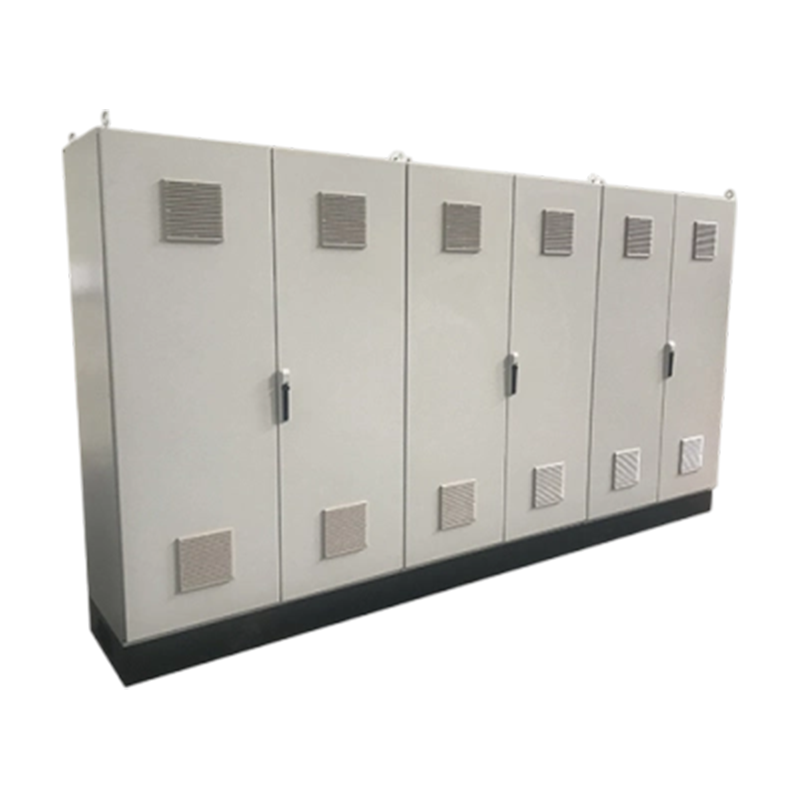
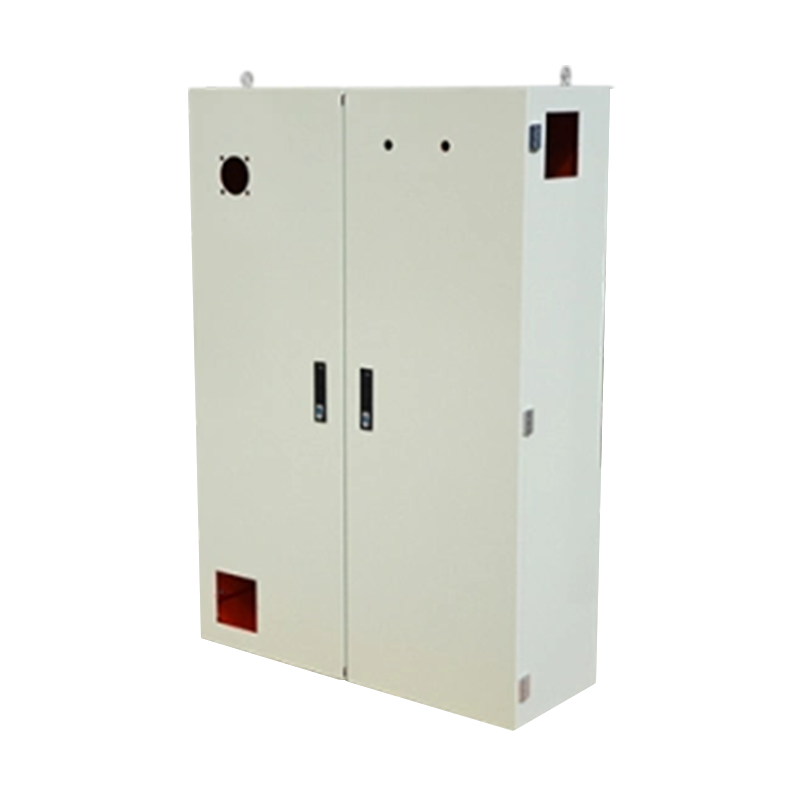
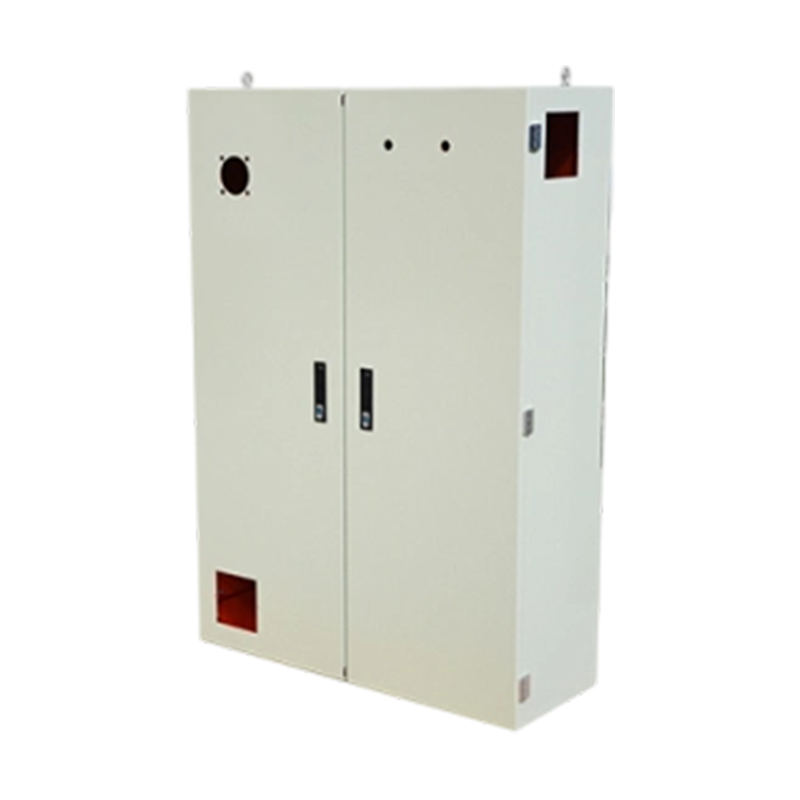
Carbon steel spray-coated AE electrical box
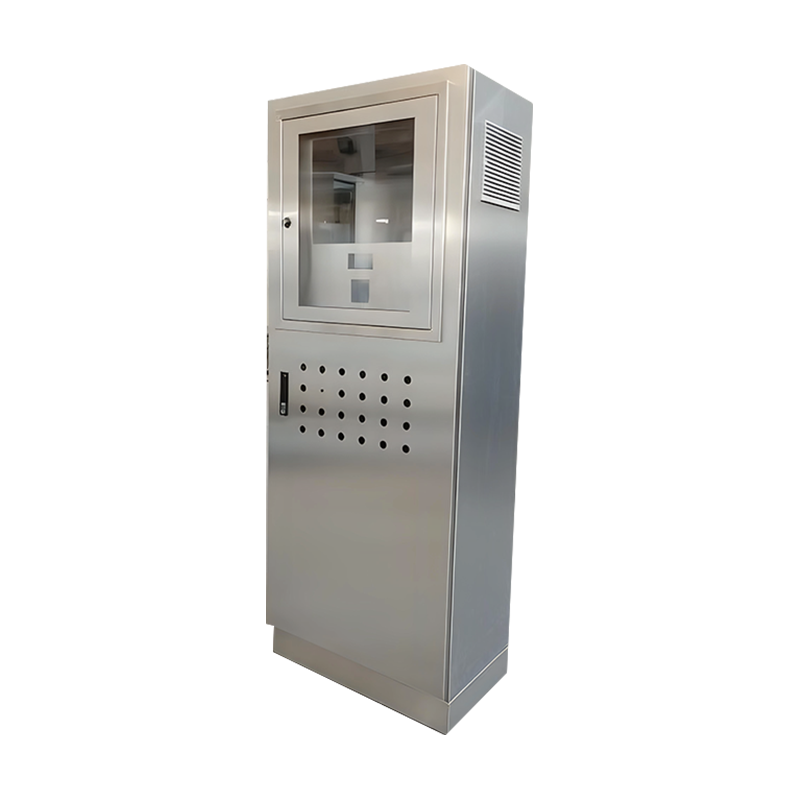
Non-standard carbon steel spray-coated custom cabinet
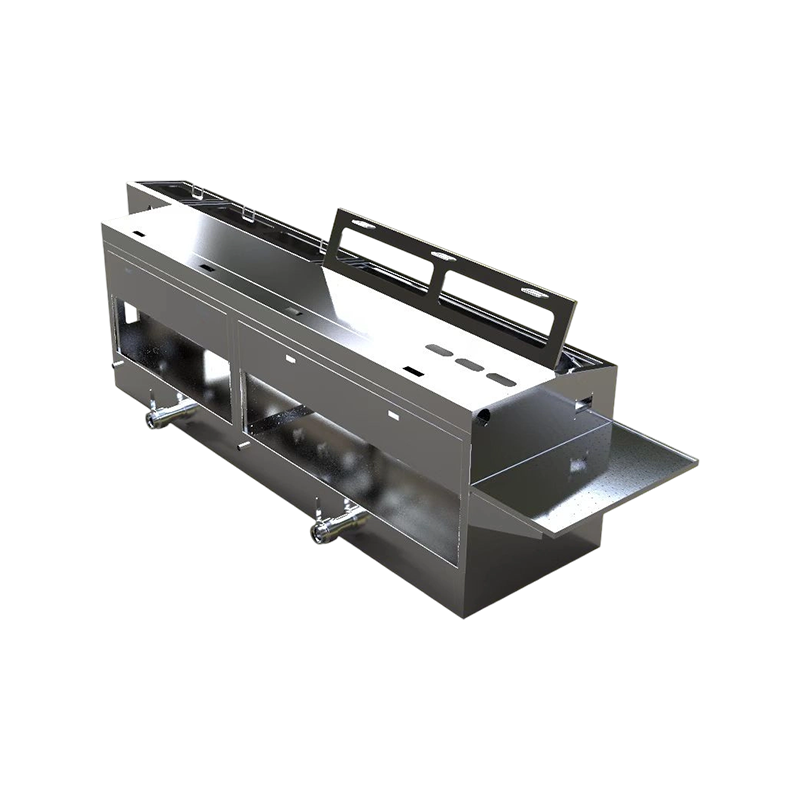
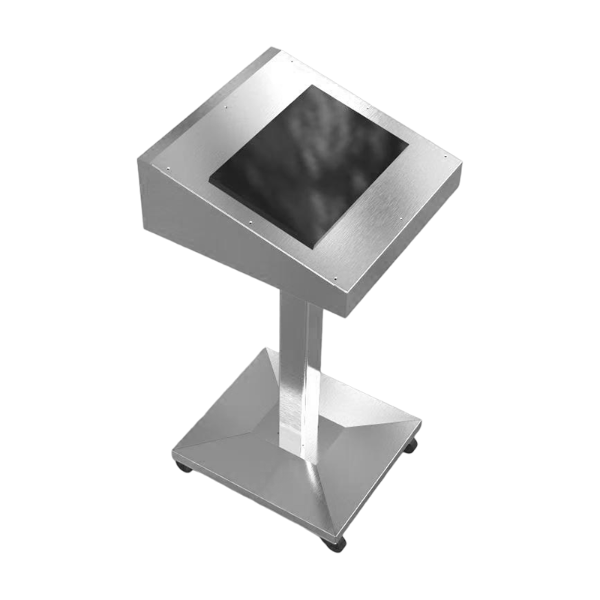
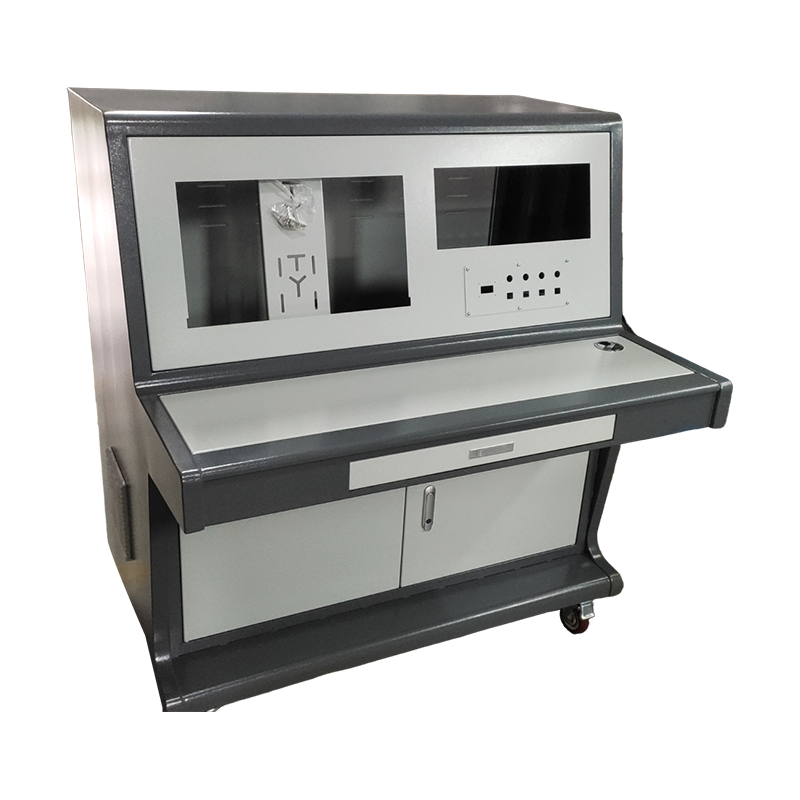
Non-standard customized mobile control panel
Phone:+86-15896481972(zhuxiaosui)
Fax: +86-0510-83890571
E-Mail: [email protected]
ADD:No. 2 Qida Road, No. 1 Shunqi Road, Yuqi Street, Huishan District, Wuxi City, Jiangsu Province, China

 English
 русский
 Español
 中文简体
中文简体