Home / News / Industry News / How Do Laser Cutting and Other Techniques Improve Sheet Metal Fabrication?
Industry News
Home / News / Industry News / How Do Laser Cutting and Other Techniques Improve Sheet Metal Fabrication?
How Do Laser Cutting and Other Techniques Improve Sheet Metal Fabrication?
Introduction: The Evolution of Precision in Sheet Metal Fabrication
The transformation of a flat metal sheet into a high-tolerance, structurally sound component is a journey that has been revolutionized by modern technology. sheet metal fabrication has moved beyond the limitations of purely mechanical processes, embracing a synergy of digital precision and automated control. This evolution is particularly critical in the production of industrial enclosures, where the margin for error is non-existent. The integration of advanced cutting, forming, joining, and finishing techniques allows manufacturers to meet the stringent demands of industries ranging from electronics to aerospace. This article examines how these technologies collectively improve quality, efficiency, and performance, ensuring that every part meets exacting standards.
The Foundation: Laser Cutting and Its Role in Precision Sheet Metal
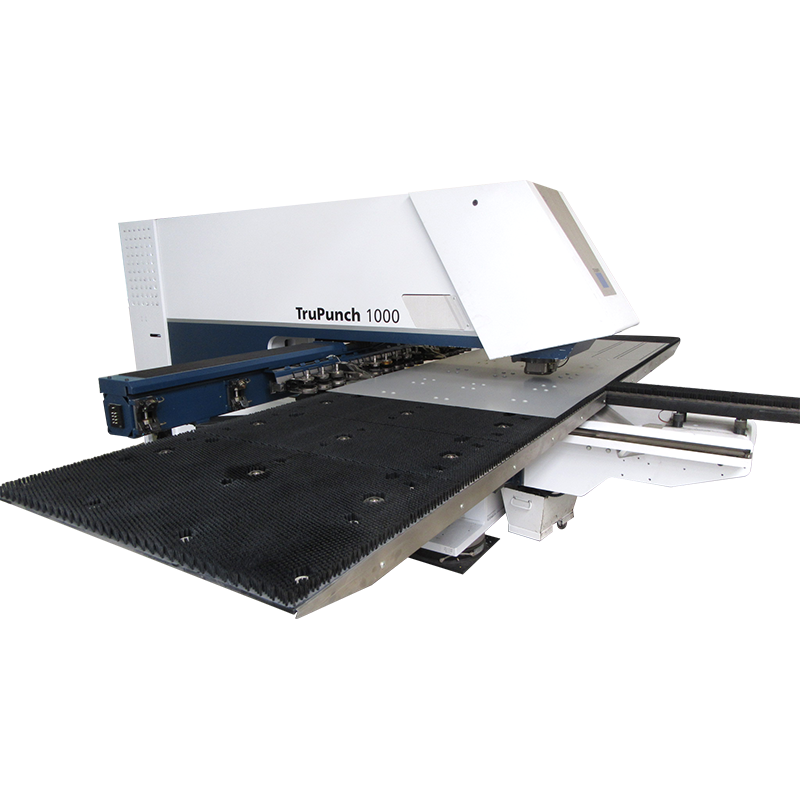
At the heart of modern fabrication lies laser cutting, a non-contact thermal process that has redefined the capabilities of precision sheet metal work. Unlike traditional shearing or punching, which can leave burrs and distort the material, laser cutting uses a focused beam of light to melt, burn, or vaporize the metal with exceptional accuracy. This process is guided by Computer Numerical Control (CNC), translating intricate digital designs into physical components with tolerances often measured in microns.
The Mechanics of Laser Cutting
The effectiveness of laser cutting lies in its ability to concentrate intense energy on a small spot. The process uses a laser resonator to generate the beam, which is then directed through mirrors and a focusing lens to the workpiece. A high-pressure jet of assist gas, such as nitrogen or oxygen, is used to blow the molten material away, creating a clean, narrow cut known as the kerf.
Fusion Cutting: Uses inert gas like nitrogen to melt and blow away material, resulting in a clean, oxide-free edge.
Flame Cutting: Uses oxygen to create an exothermic reaction that helps cut carbon steel faster.
Sublimation Cutting: Vaporizes the material directly, minimizing the heat-affected zone for the highest precision.
Comparative Advantages of Laser Cutting
To understand why laser cutting is the preferred method for many applications, it is helpful to compare it with other technologies. While plasma cutting is effective for thicker materials and waterjet cutting is excellent for heat-sensitive alloys, laser cutting offers an optimal balance of speed, precision, and cost for most sheet metal fabrication projects.
Cutting Method
Precision
Edge Quality
Ideal Thickness
Key Limitation
Laser Cutting
±0.05 mm to ±0.15 mm
Clean, minimal burr
Thin to medium up to 32mm steel
Higher equipment cost
Plasma Cutting
±0.5 mm
Rough, oxide layer
Medium to thick
Lower precision
Waterjet Cutting
±0.2 mm
Smooth, no HAZ
Thick materials
Slower, higher cost per cut
Shearing/Punching
Lower (Tool-dependent)
Burrs, deformation
Simple profiles
Limited geometry flexibility
Beyond the Cut: Precision Metal Bending and Forming
Once the flat pattern is cut, the next challenge in sheet metal fabrication is shaping it into three-dimensional structures. This is achieved through precision metal bending and forming, a process that has been dramatically improved by CNC control. Modern press brakes are capable of repeatable bends with high accuracy, crucial for ensuring that enclosure panels fit together perfectly.
Bending Principles and Techniques
The bending process involves placing sheet metal over a die and pressing a punch into it to create a specific angle. The selection of tooling and calculation of bend allowance, the material that stretches during the bend, are critical to achieving final dimensions. Key technologies in this area include:
CNC Press Brakes: Offer automated angle calculation and deflection compensation, ensuring consistency across long runs.
Hydraulic and Electric Press Brakes: Provide the force needed for thick materials, with electric models offering greater energy efficiency and precision.
Hemming and Curling: Secondary processes that create safe, rounded edges for improved aesthetics and safety, reducing the risk of sharp edges on finished enclosures.
Integration with Cutting
The synergy between cutting and forming is where true efficiency is gained. By accurately nesting parts on a sheet and precisely cutting features, material waste is minimized. The subsequent bending steps rely on the accuracy of the initial cuts to ensure that flanges and tabs align correctly, a critical factor in sheet metal fabrication for industrial enclosures.
Joining Components: Robotic Welding in Sheet Metal Assembly
For complex assemblies, cutting and forming are only half the battle. Securing components together often requires welding. Traditional manual welding is labor-intensive and subject to variability. Robotic welding sheet metal assembly has addressed these challenges by introducing automation to the joining process, enhancing both speed and quality.
Advantages of Robotic Welding
Robotic systems provide a level of consistency that is difficult to achieve with manual labor. They are programmed to follow exact paths, delivering precise welds with the correct heat input, which is essential for maintaining the structural integrity of the enclosure. The benefits include:
Repeatability: Ensures every weld is identical, reducing the risk of failure points.
Speed: Automated systems work continuously, significantly increasing throughput.
Reduced Post-Processing: Consistent welds require less grinding and finishing, lowering labor costs.
Integration with Assembly
Robotic welding is often integrated into larger assembly lines. After components are cut, formed, and positioned using jigs and fixtures, robotic arms perform the necessary welds. This is particularly beneficial for precision sheet metal parts where heat distortion must be carefully controlled. By programming specific welding sequences, robotic systems can minimize thermal stress on the material.
Ensuring Longevity: Sheet Metal Surface Finishing and Coating
The final stage of sheet metal fabrication is often sheet metal surface finishing and coating, which is vital for protection and aesthetics. Without a proper finish, metal is vulnerable to corrosion, which can compromise the functionality of an industrial enclosure. The choice of finish depends on the environment the part will operate in and the desired lifespan.
Types of Finishing Techniques
The selection of a finishing process is critical for performance. The table below summarizes common finishing techniques and their applications.
Finish Type
Key Benefit
Typical Application
Powder Coating
Durable, uniform coverage in various colors
Industrial enclosures, outdoor equipment
Anodizing
Thickens natural oxide layer on aluminum
Electronic enclosures, architectural panels
Electroless Nickel Plating
Uniform coverage, excellent corrosion resistance
Precision parts with complex geometries, threads
Passivation
Removes free iron from stainless steel
Medical devices, food processing equipment
Functional and Aesthetic Considerations
Finishing is not just about making a product look good; it serves a functional purpose. For sheet metal fabrication for industrial enclosures, a powder coating provides a tough, chemical-resistant layer that protects sensitive electronic components inside. For external panels, a brushed or polished finish can reduce the visibility of fingerprints and minor scratches, maintaining a professional appearance. Proper pretreatment, such as phosphate or chromate conversion, is essential to ensure the coating adheres correctly and provides maximum protection.
Synergy in Production: Sheet Metal Fabrication for Industrial Enclosures
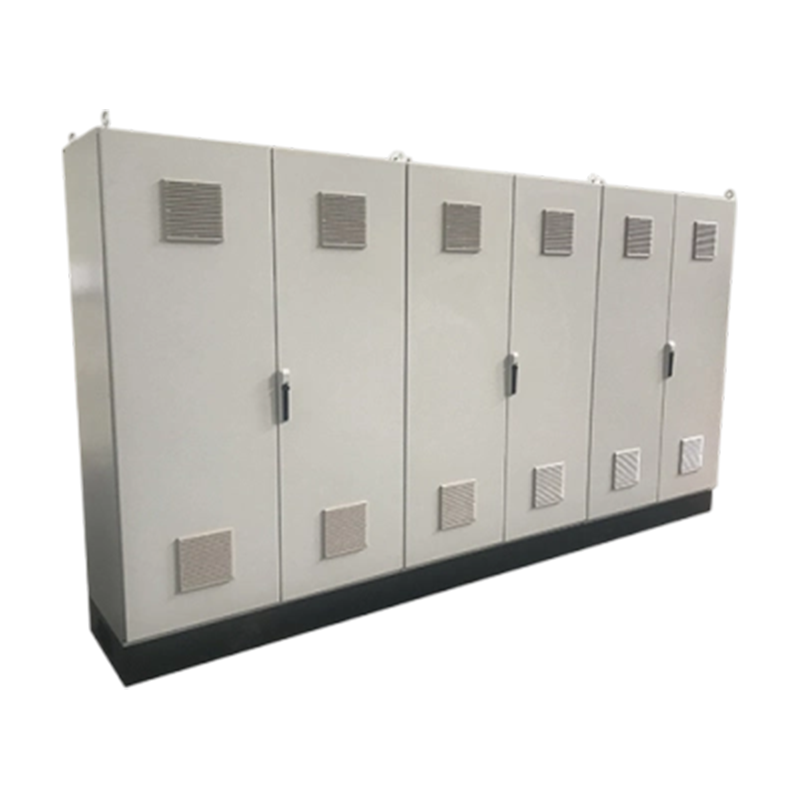
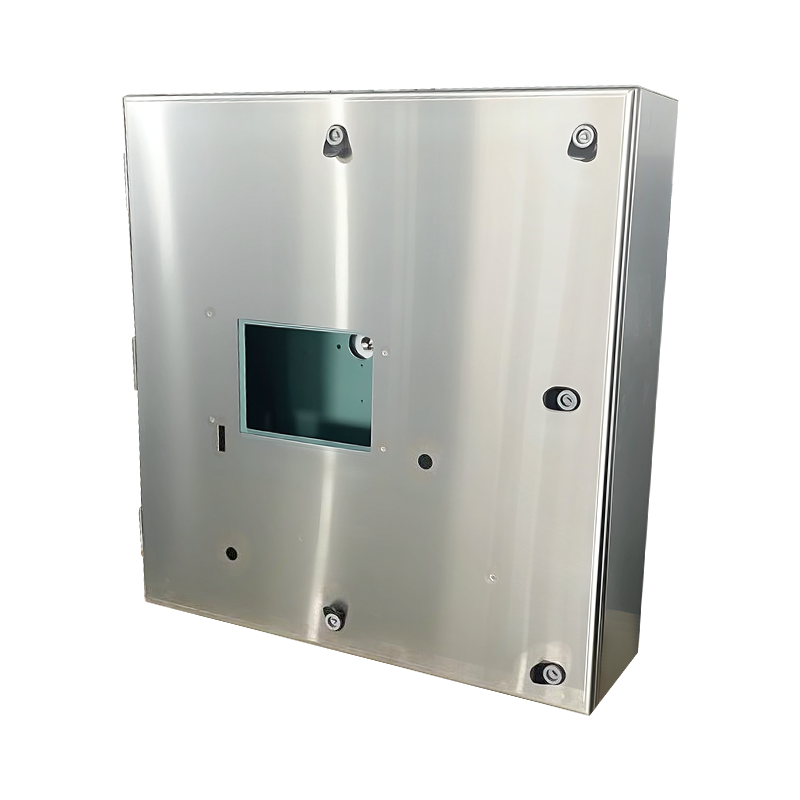
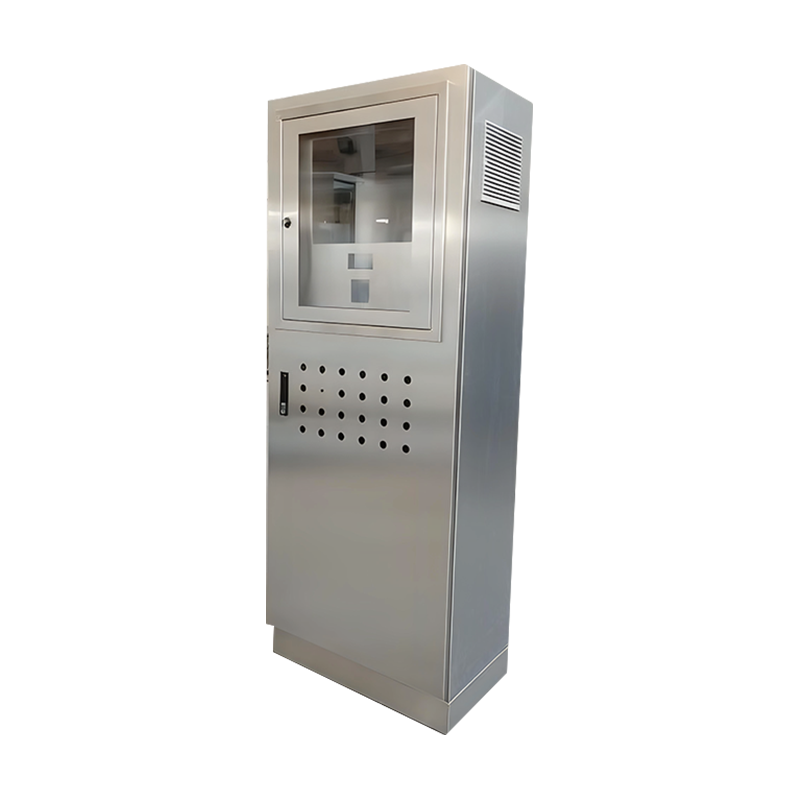
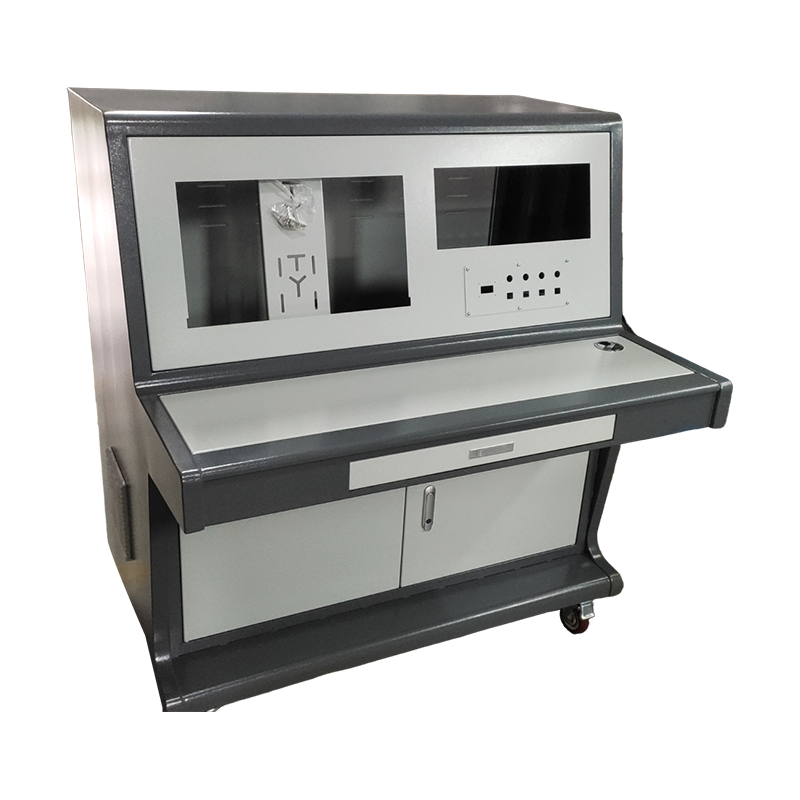
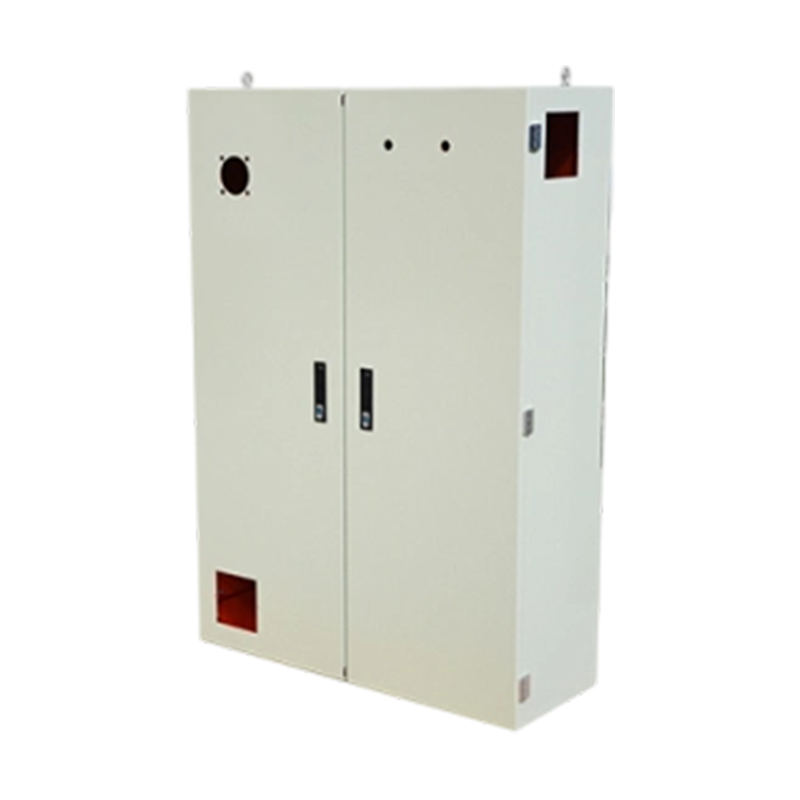
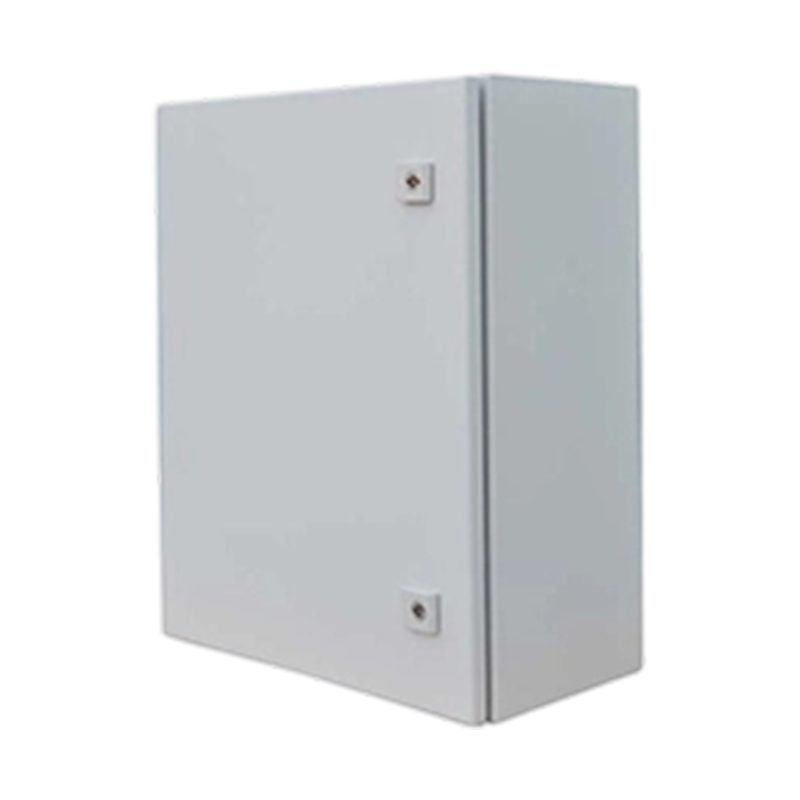
The ultimate test of these technologies is their application in producing sheet metal fabrication for industrial enclosures. Enclosures protect sensitive electronics and mechanical systems in environments ranging from factory floors to outdoor telecommunications towers. The integration of all the aforementioned techniques ensures that these structures are not only precise but also durable and reliable.
Design for Manufacturability
One of the key principles in producing industrial enclosures is Design for Manufacturability (DFM). This approach involves designing parts that are optimized for the fabrication process. For example, designers working with precision sheet metal must consider the minimum bend radius to avoid cracking, the placement of holes to prevent distortion during forming, and the accessibility of weld joints for robotic arms. By integrating these considerations early in the design phase, manufacturers can reduce cycle times and lower production costs.
Quality Control Across the Workflow
The quality of an industrial enclosure is determined not by a single step but by the consistency of the entire workflow. Laser cutting provides the initial accuracy; precision bending ensures dimensional integrity; robotic welding offers structural strength; and surface finishing protects against environmental factors. Each stage must be carefully monitored. Many fabrication facilities employ coordinate measuring machines (CMM) to verify part dimensions after each major operation, ensuring that any deviation is corrected before moving to the next step.
Material Considerations for Enclosures
The choice of material is a fundamental decision in sheet metal fabrication for industrial enclosures. Common materials include:
Cold Rolled Steel: Offers excellent strength and formability, often used with powder coating for corrosion resistance.
Stainless Steel: Provides superior corrosion resistance without additional coating, ideal for medical or food-processing environments.
Aluminum: Lightweight and corrosion-resistant, often chosen for portable electronics enclosures where weight is a concern.
Each material behaves differently during cutting, bending, and welding. For example, aluminum dissipates heat rapidly, requiring higher laser power for cutting, while stainless steel is prone to work hardening during bending, necessitating larger bend radii to avoid cracking.
Emerging Trends in Precision Sheet Metal Fabrication
As manufacturing demands continue to evolve, new technologies are emerging that further enhance the capabilities of precision sheet metal processes. These advancements focus on efficiency, connectivity, and the ability to handle increasingly complex geometries.
Automated Nesting Software
One of the most impactful developments is advanced nesting software that optimizes the layout of parts on a raw sheet. These algorithms calculate the most material-efficient arrangement, taking into account grain direction and future bending operations. In high-volume sheet metal fabrication, this can reduce material waste by 10-20%, translating to significant cost savings over time.
Fiber Laser Technology
Fiber lasers are increasingly replacing CO2 lasers in cutting applications. Fiber lasers offer higher electrical efficiency, lower maintenance, and faster cutting speeds, particularly on reflective materials like copper and brass. This technology enables manufacturers to achieve precision sheet metal cuts with less heat input, further reducing distortion and improving edge quality.
Industry 4.0 and IIoT Integration
The integration of Industrial Internet of Things (IIoT) devices into fabrication equipment allows for real-time monitoring and predictive maintenance. Sensors on press brakes and laser cutters can detect tool wear and alert operators before a failure occurs, minimizing downtime. Additionally, data collected from the shop floor can be used to optimize production scheduling and identify bottlenecks in the workflow.
Key Takeaway: The convergence of advanced software, laser technology, and data analytics is transforming sheet metal fabrication from a purely physical craft into a digitally optimized manufacturing discipline. Manufacturers who adopt these tools can achieve higher throughput, better quality, and greater flexibility in responding to customer demands.
Sustainable Manufacturing Practices
Environmental considerations are also shaping the future of sheet metal fabrication. Practices such as recycling scrap material, using water-based coatings, and optimizing energy consumption during cutting and forming are becoming more widespread. The use of closed-loop water systems in waterjet cutting and the recovery of heat from laser cutting processes are examples of how the industry is reducing its environmental footprint.
Overcoming Challenges in Precision Sheet Metal Work
Despite the advancements, precision sheet metal fabrication presents ongoing challenges that require careful management. Understanding these hurdles is the first step to mitigating their impact on production.
Thermal Distortion
One of the most persistent issues in laser cutting and welding is thermal distortion. The intense heat applied during these processes can cause the material to expand and contract unevenly, resulting in warped components. Strategies to combat this include:
Using precision metal bending and forming techniques that account for springback, reducing the need for post-weld straightening.
Implementing pulse-cutting modes that reduce overall heat input.
Programming robotic welding sequences to alternate weld locations, balancing thermal stress across the part.
Edge Quality and Burr Formation
While laser cutting generally produces clean edges, certain conditions can lead to burr formation or dross (re-solidified metal). Factors such as incorrect assist gas pressure, improper focal length, or contaminated lenses can degrade cut quality. Regular maintenance and real-time process monitoring are essential to maintaining the high standards required for precision sheet metal components.
Tooling Wear in Bending
In precision metal bending and forming, tooling wear is an inevitable challenge. Worn punches and dies can produce inconsistent bend angles and mar the surface of the workpiece. To address this, manufacturers often employ tooling with specialized coatings, such as titanium nitride (TiN), which extend tool life and maintain dimensional accuracy over thousands of cycles.
Frequently Asked Questions About Sheet Metal Fabrication
Q1: What thickness of metal is best suited for laser cutting in precision sheet metal fabrication?
Laser cutting is highly effective for sheet metal thicknesses ranging from 0.5 mm to 32 mm for mild steel, and up to 25 mm for stainless steel and aluminum. For precision sheet metal applications, thicknesses between 1 mm and 6 mm are most common, as they offer a balance of structural integrity and cutting speed. The optimal thickness depends on the specific laser type, with fiber lasers generally performing better on thinner reflective materials and CO2 lasers excelling on thicker carbon steels.
Q2: How does robotic welding improve the assembly process compared to manual welding?
Robotic welding sheet metal assembly improves the process by delivering repeatable, high-quality welds with minimal variation. A robotic system can maintain consistent welding speed, wire feed rate, and arc length across an entire production run, eliminating the fatigue-related errors common in manual welding. Additionally, robotic welding reduces cycle time, increases throughput, and enhances worker safety by removing operators from hazardous environments near arcs and fumes.
Q3: Why is surface finishing critical for industrial enclosures in harsh environments?
Surface finishing is critical because industrial enclosures often operate in environments exposed to moisture, chemicals, temperature fluctuations, and physical abrasion. Sheet metal surface finishing and coating provides a barrier against corrosion, extending the service life of the enclosure and protecting sensitive internal electronics. For outdoor applications, powder coating or anodizing offers UV resistance, while for chemical plants, specialized coatings like epoxy or polyurethane provide resistance to aggressive solvents and acids.
Q4: What are the most common materials used for sheet metal fabrication for industrial enclosures?
The most common materials are cold-rolled steel, stainless steel, and aluminum. Cold-rolled steel is widely used due to its strength and cost-effectiveness, especially when coated for corrosion resistance. Stainless steel is preferred for enclosures requiring high hygiene standards or extreme corrosion resistance, such as in food processing or marine applications. Aluminum is chosen when weight reduction is a priority, such as in portable or aerospace enclosures. Each material requires specific adjustments in cutting, bending, and welding parameters to achieve optimal results.
Q5: How does design for manufacturability impact the cost and quality of precision sheet metal parts?
Design for manufacturability (DFM) significantly impacts both cost and quality by ensuring that parts are designed with the fabrication process in mind. DFM principles include specifying appropriate bend radii to avoid cracking, minimizing the number of complex bends to reduce setup time, and placing holes at adequate distances from edges to prevent distortion. By applying DFM, manufacturers can reduce scrap, minimize tooling wear, and achieve tighter tolerances, ultimately lowering production costs and improving the consistency of precision sheet metal components.


 English
 русский
 Español
 中文简体
中文简体