The Complete Guide to Carbon Steel Spray-Coated AE Electrical Boxes
In the realm of industrial and commercial electrical infrastructure, the termination point is as critical as the main distribution line. Carbon steel spray-coated AE electrical boxes represent a fundamental component, providing the final layer of safety, organization, and protection for electrical circuits. More than just a metal container, a well-engineered AE box is the result of precise manufacturing, advanced material science, and a deep understanding of end-user environments. This guide explores the technical nuances, manufacturing excellence, and selection criteria that define a superior carbon steel spray-coated AE electrical enclosure.
Defining the AE Electrical Box: Purpose and Core Requirements
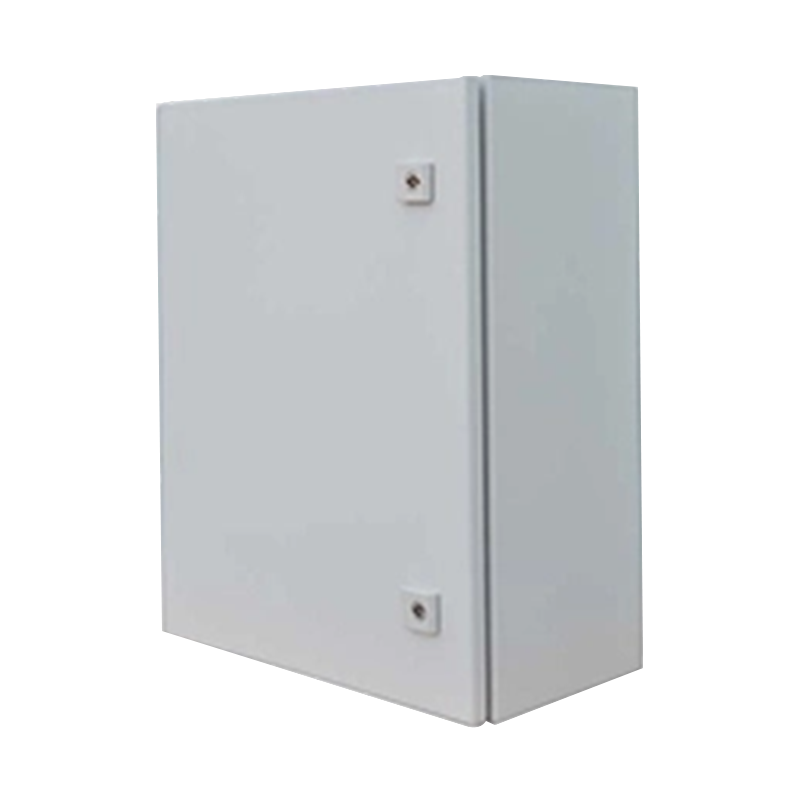
An AE (Apparatus Enclosure) electrical box is a professional-grade enclosure designed to house electrical terminals, circuit breakers, switches, and other components at the endpoint of a power distribution network. Its primary functions are safety, protection, and serviceability. For a carbon steel box, the spray-coated finish is not merely cosmetic; it is an integral part of the product's performance, transforming the base material into a durable, insulated, and corrosion-resistant asset.
Key Performance Parameters
| Parameter Category |
Typical Specifications / Considerations |
Importance |
| Material & Construction |
Cold-rolled carbon steel (SPCC, SECC), thickness ranging from 1.2mm to 2.0mm. |
Provides structural rigidity, impact resistance, and electromagnetic shielding. |
| Surface Treatment (Spray-Coating) |
Electrostatic powder coating (Epoxy or Polyester). Typical dry film thickness: 60-120 μm. |
Offers superior corrosion resistance (e.g., 500+ hours salt spray test), excellent electrical insulation, and a durable, uniform finish in various RAL colors. |
| Protection Rating |
IP54 (Dust protected, protected against water splashes) is common. IP65 (Dust tight, protected against low-pressure water jets) for harsher environments. |
Defines the level of protection against solid objects and liquids, crucial for installation location (indoor/outdoor, damp areas). |
| Internal Configuration |
Pre-installed DIN rails (35mm or 32mm), pre-tapped mounting holes, removable gland plates. |
Ensures easy, standardized installation of components and cables, saving time on-site. |
The Manufacturing Edge: Precision Fabrication for Reliability
The quality of an electrical box is determined long before the coating is applied. It starts with precision sheet metal fabrication. Integrated manufacturers like Wuxi Runjiu Tian Machinery Co., Ltd. leverage a full suite of CNC equipment to ensure every box meets exacting standards.
- High-Precision Laser Cutting: This initial process guarantees clean, accurate cuts on the steel sheets, ensuring perfect fit and dimensions for all panels and cut-outs. This accuracy is foundational for achieving a proper seal and IP rating.
- CNC Punching and Bending: Automated punching creates consistent mounting holes and knock-outs. CNC bending achieves precise, repeatable angles, ensuring the box is perfectly square—a critical factor for both structural integrity and door seal alignment.
- Semi-Automated Spraying Lines: A controlled spraying environment ensures a uniform, contaminant-free coating. The process typically involves pre-treatment (cleaning, phosphating) for adhesion, electrostatic powder application, and thermal curing, resulting in a hard, resilient finish.
The integration of design, production, and service under one roof allows for rigorous quality control at every stage, from the initial CAD drawing to the final packaged product, ensuring that "quality first" is a manufacturing reality, not just a slogan.
Application Scenarios and Selection Guide
Carbon steel spray-coated AE boxes are versatile, but selecting the right one is key to long-term performance.
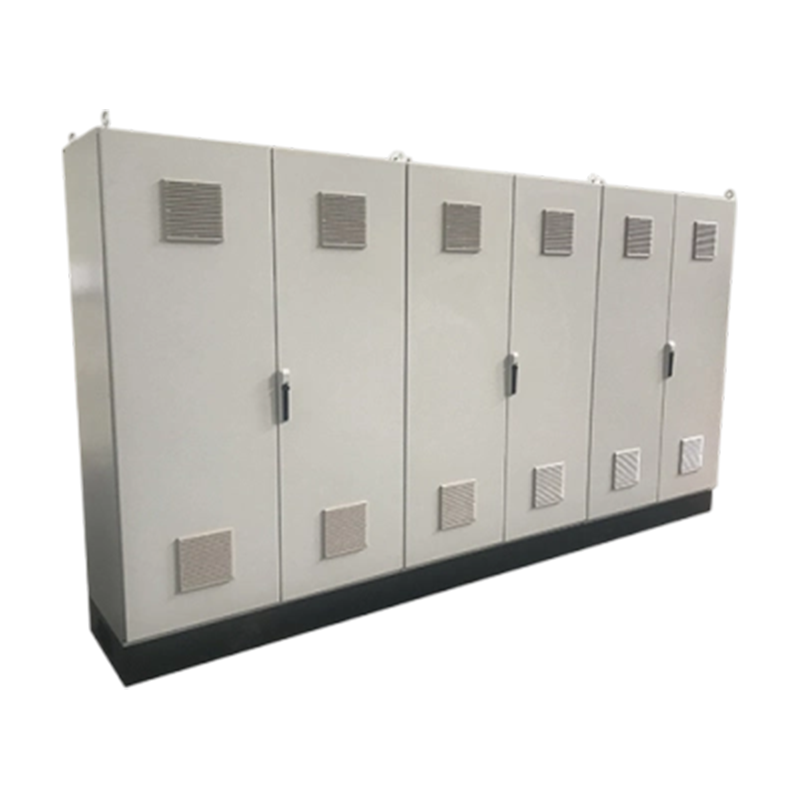
- Commercial Buildings: Used for floor distribution boxes, lighting control panels, and tenant meter banks. Aesthetics (smooth finish, color matching) are often important alongside functionality.
- Industrial Facilities: Serving as local control points for machinery, motor starters, or PLC housings. Here, robustness, higher IP ratings for dust/oil mist, and internal layout flexibility are paramount.
- Infrastructure Projects: Found in parking garage lighting systems, wastewater treatment plants, or telecom cabinets. Resistance to moisture, corrosion, and varying temperatures is critical.
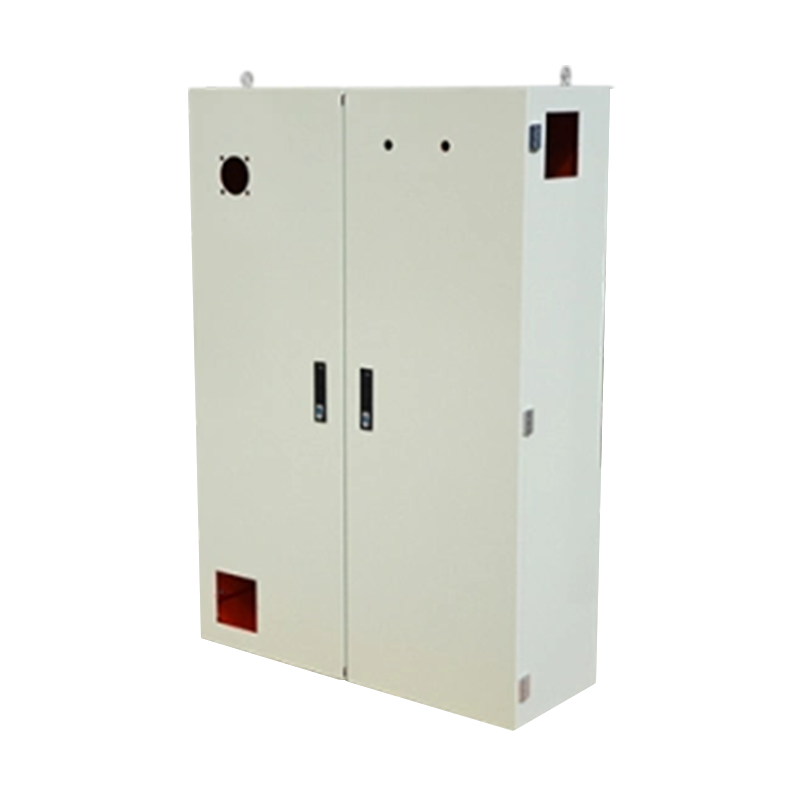
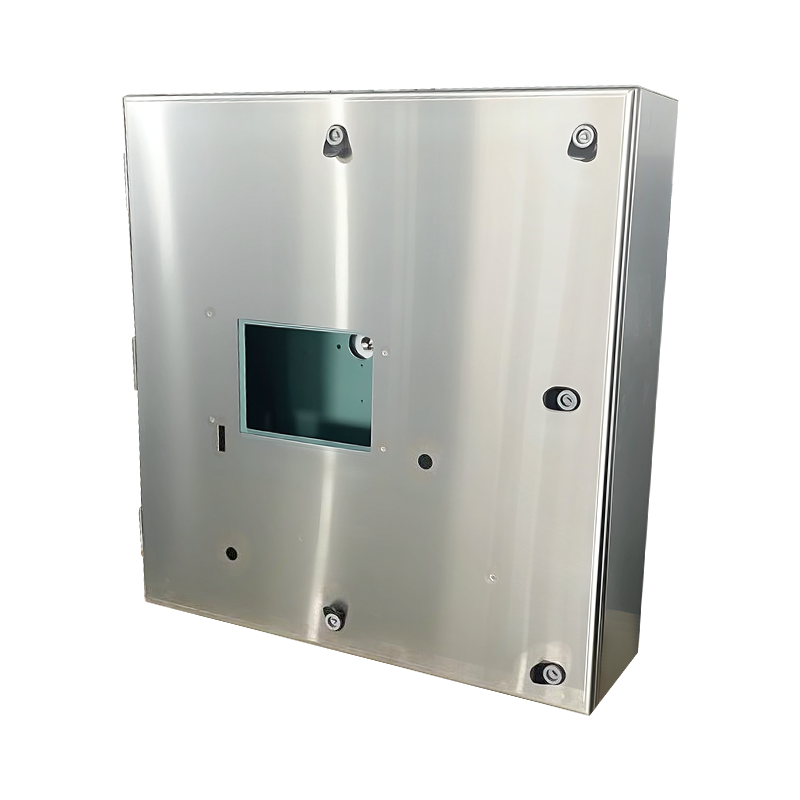
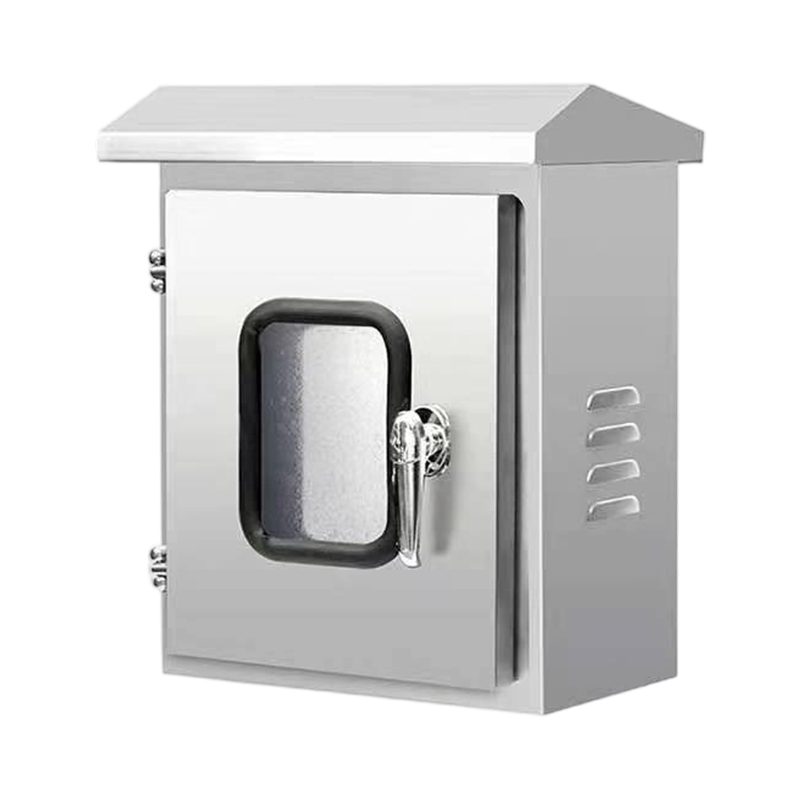
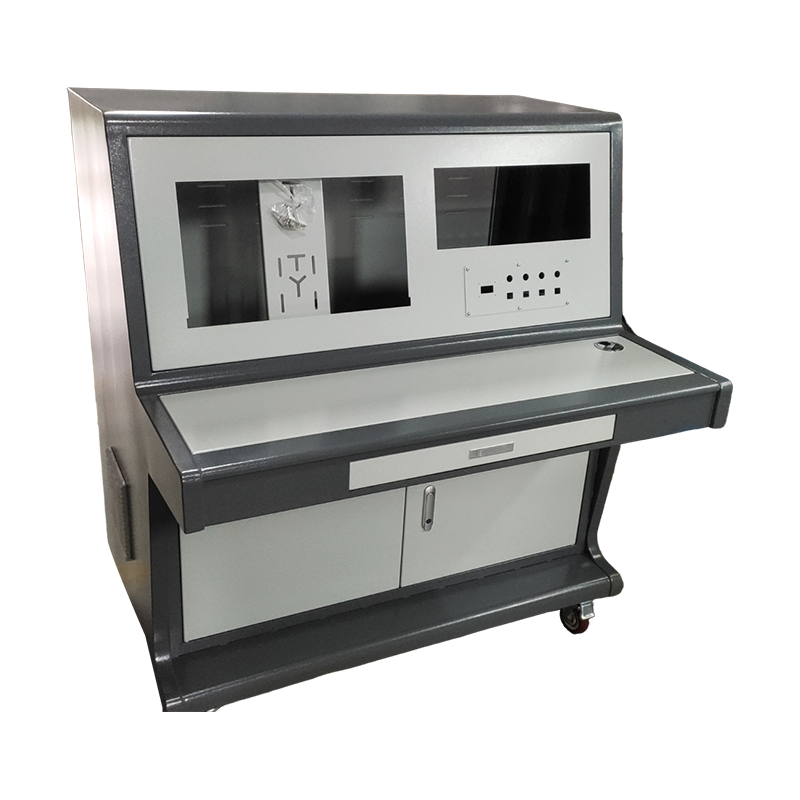
When selecting a box, consider the environment (indoor/outdoor, corrosive agents), required internal space for present and future components, necessary ingress protection (IP rating), and any special needs like transparent doors or custom cut-outs.
FAQ
What is the main advantage of powder coating (spray-coating) over traditional liquid paint for an electrical box?
The primary advantages are durability, environmental friendliness, and quality of finish. Powder coating is applied electrostatically and cured under heat, forming a much thicker, harder, and more uniform film than liquid paint. It is far more resistant to chipping, scratching, chemicals, and UV degradation. It also contains no solvents, resulting in lower VOC emissions. For an electrical box, this translates to a longer-lasting protective barrier against corrosion, better insulation properties, and a more professional appearance that withstands harsh industrial or outdoor environments.
How do I choose between an IP54 and an IP65 rated AE electrical box?
The choice depends entirely on the installation environment. An IP54 rated box is suitable for most indoor applications where it may be exposed to light dust and occasional water splashes (e.g., from cleaning). An IP65 rated box provides a higher level of security: it is "dust tight" and can withstand low-pressure water jets from any direction. Choose IP65 for outdoor installations, in areas subject to wash-downs, high humidity, or significant dust (like woodshops or food processing plants). It's a critical specification for long-term reliability.
Can a carbon steel spray-coated box be used in a highly corrosive environment, like a chemical plant coastal area?
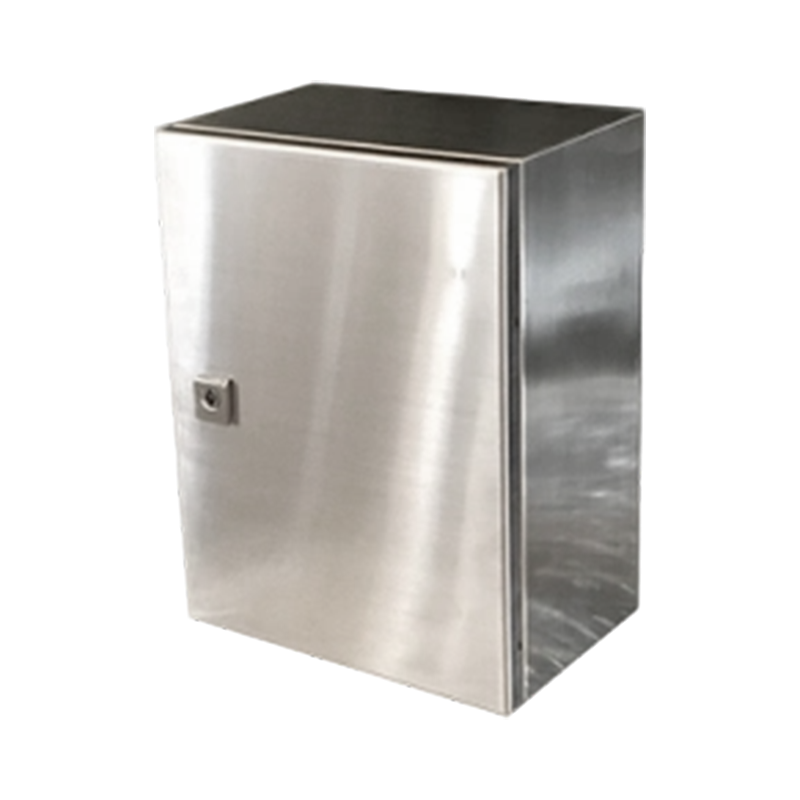
While spray-coating significantly improves corrosion resistance, carbon steel may still be a risk in severely corrosive environments. For these applications, it is crucial to specify a high-performance powder coating (e.g., epoxy-modified hybrids) with a greater minimum thickness (e.g., >80μm) and ensure all seams and edges are properly sealed. For ultimate protection, stainless steel (SS304 or SS316) enclosures are often recommended despite higher cost. A qualified manufacturer can advise on material selection and coating specifications based on the specific corrosive agents present.
What should I look for in terms of quality when inspecting a spray-coated electrical box?
Perform both visual and tactile inspections. Visually, the coating should be perfectly uniform in color and texture, with no signs of orange peel, runs, thin spots, or contamination. Pay special attention to edges, corners, and weld seams—these are areas where coating failure often starts. The coating should feel smooth and hard. Check for proper sealing of the door gasket and that all hardware operates smoothly. Internally, look for clean, burr-free cut-outs and consistent welding. High-quality boxes from integrated manufacturers will show precision in every detail.
Why is an "integrated design and production" model beneficial for custom electrical enclosures?
An integrated model, where one company handles design, engineering, fabrication, and finishing, offers significant advantages for custom projects. It ensures seamless communication, eliminates finger-pointing between different suppliers, and streamlines the entire process from concept to delivery. It allows for design for manufacturability (DFM) input early on, optimizing the design for the available equipment and processes, which reduces cost and lead time. Most importantly, it centralizes quality control, guaranteeing that the final product exactly matches the design intent and performance specifications. This holistic approach is key to delivering reliable, mission-critical custom enclosures on schedule.

 English
 русский
 Español
 中文简体
中文简体