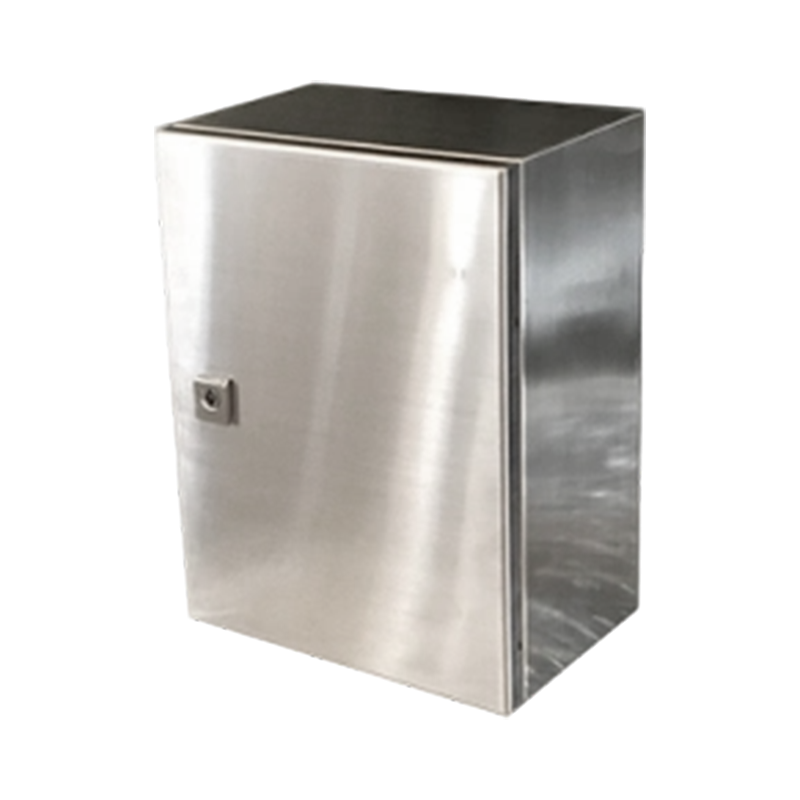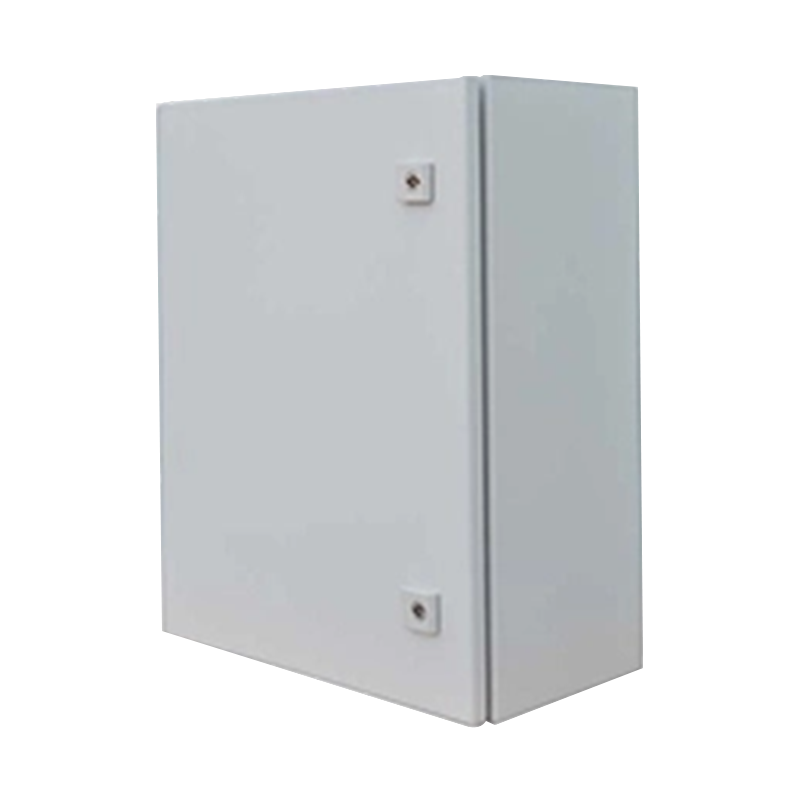
In modern industrial environments, the terms “automation enclosures” and “electrical cabinets” are often used interchangeably. However, this common practice leads to specification errors, increased maintenance costs, and compromised system reliability. Understanding the distinct functional roles, structural designs, and application scenarios of these two housing solutions is essential for engineers, procurement specialists, and facility managers.
Before comparing differences, it is necessary to establish clear definitions.
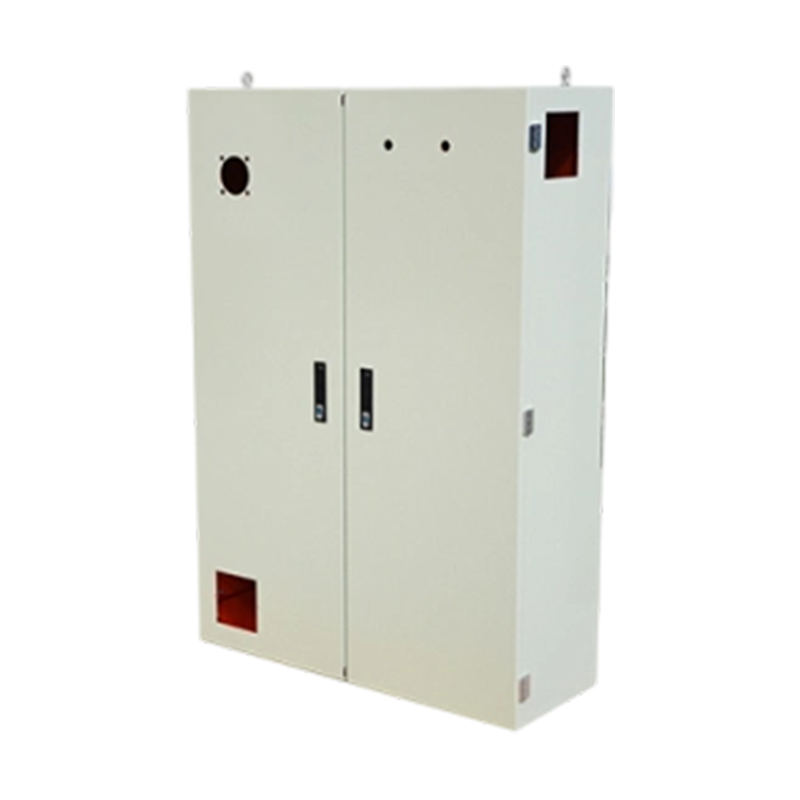
Automation enclosures are protective housings specifically designed to contain and safeguard sensitive electronic control systems, programmable logic controllers (PLCs), human-machine interfaces (HMIs), communication modules, and related automation hardware. Their primary function is to protect against dust, moisture, temperature fluctuations, electromagnetic interference, and physical impact while allowing adequate ventilation and cable management.
Electrical cabinets, by contrast, traditionally house power distribution components such as circuit breakers, contactors, relays, transformers, and terminal blocks. Their main role is to safely isolate high-voltage or high-current electrical equipment, prevent accidental contact, and manage heat dissipation from power components.
While both products fall under the broader category of industrial sheet metal enclosures, their design philosophies, material selection, and internal layouts differ significantly.
The following table summarizes key differentiators between automation enclosures and electrical cabinets. This comparison helps buyers communicate precise requirements to industrial automation enclosures suppliers.
| Feature Aspect | Automation Enclosures | Electrical Cabinets |
|---|---|---|
| Primary Content | PLCs, I/O modules, switches, drives, controllers | Circuit breakers, relays, busbars, transformers, fuses |
| Voltage Range | Typically low voltage (≤230V AC / 24V DC) | Low to medium voltage (≤1000V AC or higher) |
| Protection Priority | EMI/RFI shielding, dust ingress, thermal management for electronics | Arc flash containment, fire resistance, high-current safety |
| Cooling Method | Filter fans, heat exchangers, air conditioners, closed-loop cooling | Passive ventilation, louvered panels, forced air cooling |
| Material Thickness | 1.0–2.0 mm (galvanized or stainless steel) | 1.5–2.5 mm (thicker for mechanical strength) |
| Panel Design | Double-door with seal, cable entry from bottom, divided wiring channels | Single or double door, top/bottom entry, simpler internal barriers |
| Typical Standards | UL 508A, NEMA 12/4/4X, IP54–IP66 | IEC 61439, UL 50, NEMA 1/3R/12 |
| Modification Ease | High (modular rails, detachable mounting plates) | Medium (fixed rails, fewer mounting options) |
From the table above, one can see that automation enclosures prioritize signal integrity and environmental isolation, while electrical cabinets prioritize physical protection and thermal management for power components.
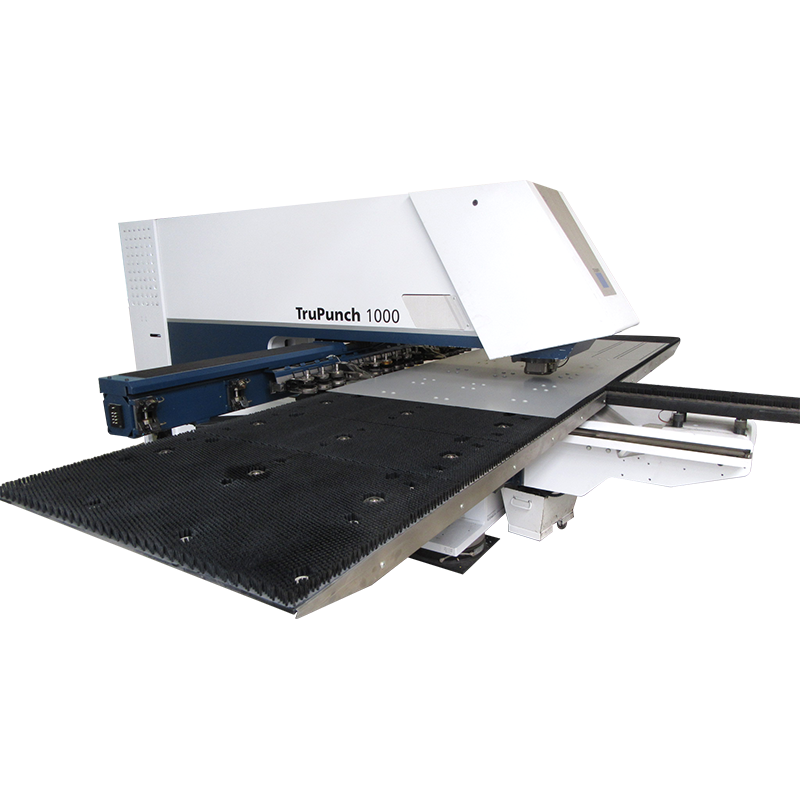
Automation enclosures require higher precision in cutting, bending, and welding because automation components have tighter mounting tolerances. For instance, a PLC rail must remain perfectly flat to avoid connection failures. This is why advanced equipment—such as high-precision laser cutting machines, CNC punching machines, CNC bending machines, and CNC shearing machines—is indispensable.
Wuxi Runjiu Tian Machinery Co., Ltd. is a mechanical sheet metal processing enterprise integrating design, production, sales, and service. The company possesses a series of production equipment, including high-precision laser cutting machines, CNC punching machines, CNC bending machines, CNC shearing machines, and semi-automatic spraying lines, laying a solid foundation for high-quality product requirements. They manufacture both automation enclosures and electrical cabinets, but their production lines adjust parameters, jigs, and sealing processes depending on the product type.
Automation enclosures typically employ continuous polyurethane or silicone gaskets with higher compression resistance to achieve IP54 to IP66 ratings. Electrical cabinets may use simpler foam gaskets or none at all, especially when housed indoors in controlled environments.
Inside automation enclosures, a low-impedance grounding bus is essential to prevent ground loops that disrupt sensitive signals. Electrical cabinets require grounding but focus more on bonding non-current-carrying metallic parts to prevent electric shock hazards under fault conditions.
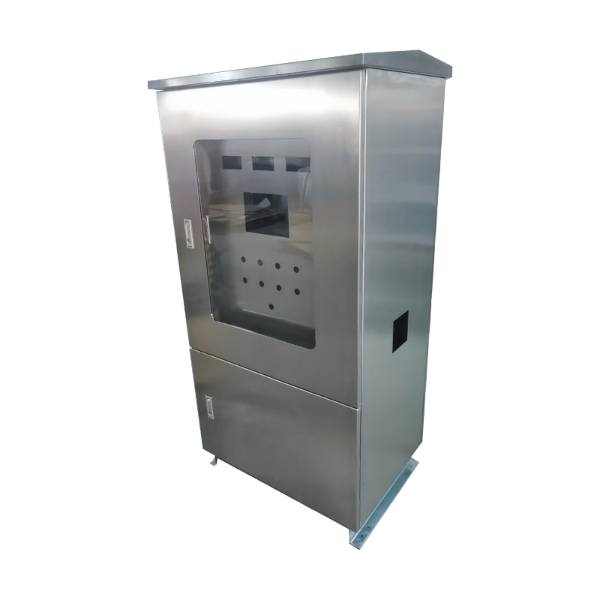
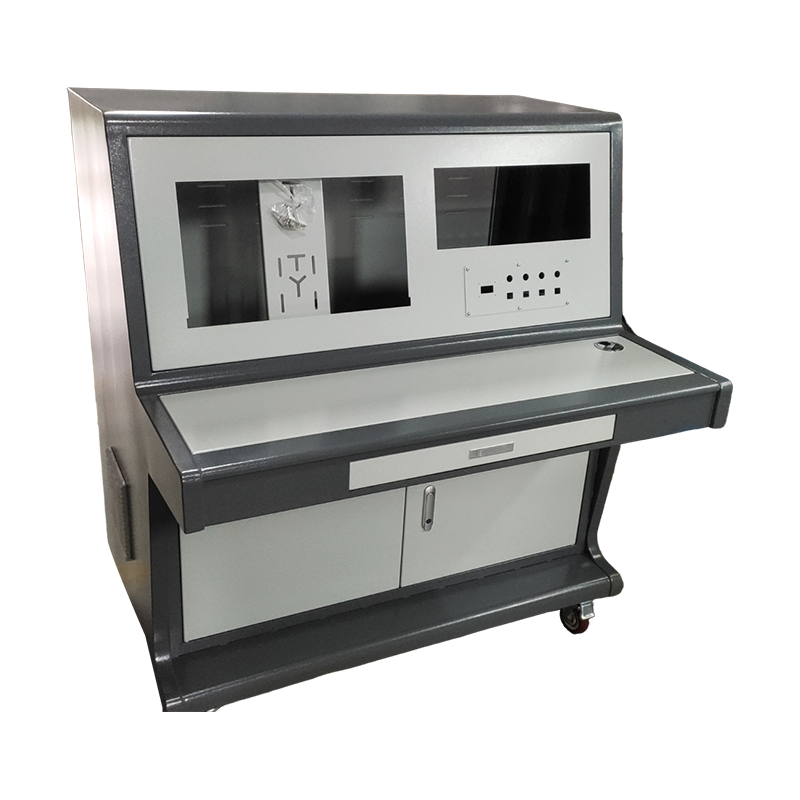
As a Wholesale Industrial Automation Enclosures Supplier, companies often recommend enclosures with viewing windows, keyboard trays, or air conditioning units for these applications.
Wuxi Runjiu Tian Machinery Co., Ltd. produces high and low voltage control cabinets, large equipment housings, and high-precision stamped parts. In recent years, the industrial oil mist purification equipment jointly developed with BDI has been gradually launched into the market and has received positive feedback. This demonstrates their capability to deliver specialized housings beyond standard electrical cabinets.
When deciding between automation enclosures and electrical cabinets, consider the following five factors without relying on brand comparisons:
Automation enclosures generate concentrated heat from dense electronic components. Use the enclosure’s surface area and internal heat dissipation coefficient (typically 5–15 W/m²·K) to estimate required cooling. Electrical cabinets with relays and contactors generate heat but are less sensitive to temperature spikes.
For automation enclosures, specify EMC gaskets and shielded cable entry plates. Electrical cabinets rarely require EMC shielding unless co-located with drives.
Automation enclosures benefit from divided gland plates separating power, signal, and data cables. Electrical cabinets can use simpler open knockouts.
The line between automation enclosures and electrical cabinets is blurring due to compact drive systems and integrated motor starters. Modern enclosures often combine both functions in a hybrid design—one section for power components and another isolated section for control electronics. This trend increases demand for versatile China Industrial Electrical Enclosures Company that offers custom punching, welding, and finishing.
Wuxi Runjiu Tian Machinery Co., Ltd. remains responsive to such trends. Their semi-automatic spraying line ensures uniform coating thickness, which is critical for corrosion protection in hybrid enclosures exposed to industrial coolants or oils.
Q: Can I mount a PLC inside an electrical cabinet?
A: Yes, but only if the cabinet provides EMC separation, adequate cooling, and low-resistance grounding. Without these, automation failures become frequent.
Q: Are automation enclosures more expensive than electrical cabinets?
A: Generally yes, due to tighter tolerances, better gasketing, and secondary processing such as powder coating thickness control. However, long-term reliability often justifies the premium.
Q: How to verify a supplier’s capability for automation enclosures?
A: Check their equipment list: presence of CNC bending machines with backgauges, laser cutting with <0.1 mm accuracy, and semi-automatic spraying lines. Also review their experience with industrial automation enclosures suppliers requirements such as UL or CE certification.
Q: What high-volume search terms relate to these products?
A: Professionals also search for “modular control enclosure”, “weatherproof instrument housing”, “wall-mount junction box for automation”, “freestanding machine guard enclosure”, and “IP65 electronic housing”.
For greenfield projects, avoid repurposing standard electrical cabinets for automation duties. Instead, source dedicated automation enclosures from established industrial automation enclosures suppliers. If budget constraints exist, request a hybrid design where the power section uses thicker-gauge steel, while the control section uses a drop-in module with EMC barriers.
When collaborating with Wuxi Runjiu Tian Machinery Co., Ltd., please provide detailed wiring diagrams and heat load spreadsheets. This allows their design team to optimize cutout locations, back panel layouts, and cooling device placement before production begins. Their integrated approach—covering design, production, sales, and service—reduces coordination risks between separate enclosure makers and system integrators.
Automation enclosures and electrical cabinets serve distinct but complementary roles in industrial infrastructure. Automation enclosures focus on protecting sensitive electronics with high-precision fabrication, superior sealing, and EMI control, while electrical cabinets prioritize safe power distribution with robust mechanical construction. Selecting the wrong type leads to overheating, signal faults, premature component failure, and safety hazards.
By understanding the criteria outlined in this article—thermal management, EMC, expansion, environmental rating, and cable entry—engineers can specify correctly. Furthermore, partnering with capable manufacturers that operate high-precision laser cutters, CNC bending machines, and semi-automatic spraying lines ensures consistent quality. Wuxi Runjiu Tian Machinery Co., Ltd., with its expertise in both automation enclosures and electrical cabinets, alongside advanced sheet metal processing equipment, exemplifies the type of partner needed for reliable industrial housing solutions.
Content
The variety of models, to meet the development needs of various regions in the world.
Carbon steel spray-coated AE electrical box
Non-standard carbon steel spray-coated custom cabinet
Non-standard customized mobile control panel
Phone:+86-15896481972(zhuxiaosui)
Fax: +86-0510-83890571
E-Mail: [email protected]
ADD:No. 2 Qida Road, No. 1 Shunqi Road, Yuqi Street, Huishan District, Wuxi City, Jiangsu Province, China

 English
 русский
 Español
 中文简体
中文简体