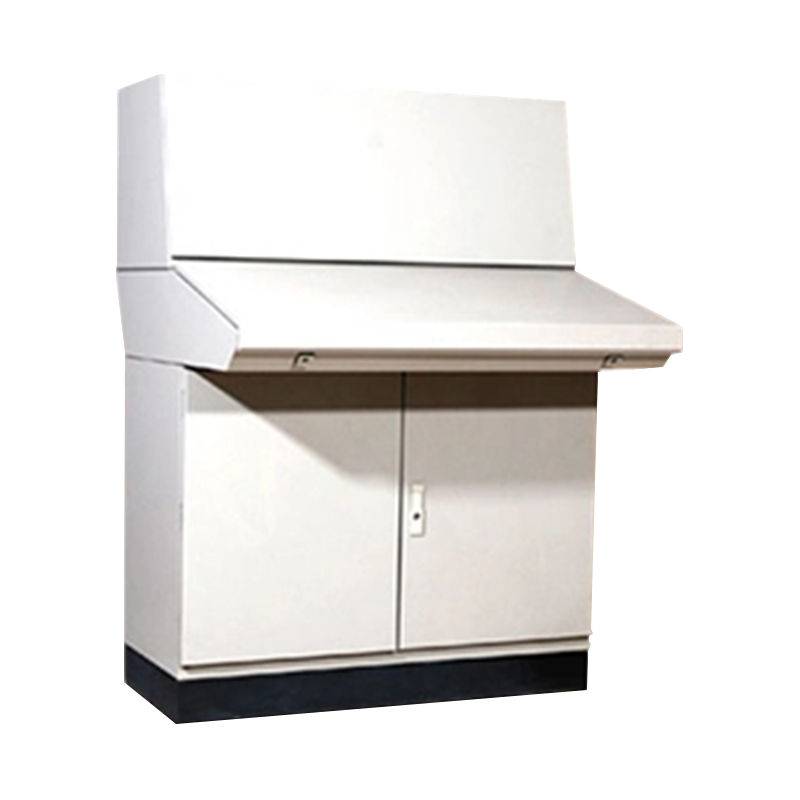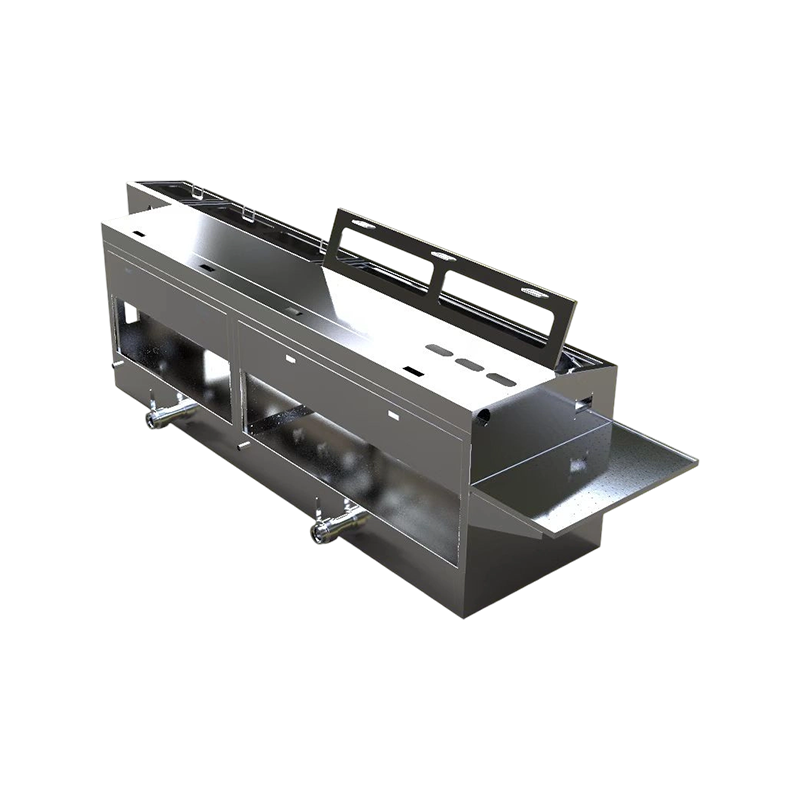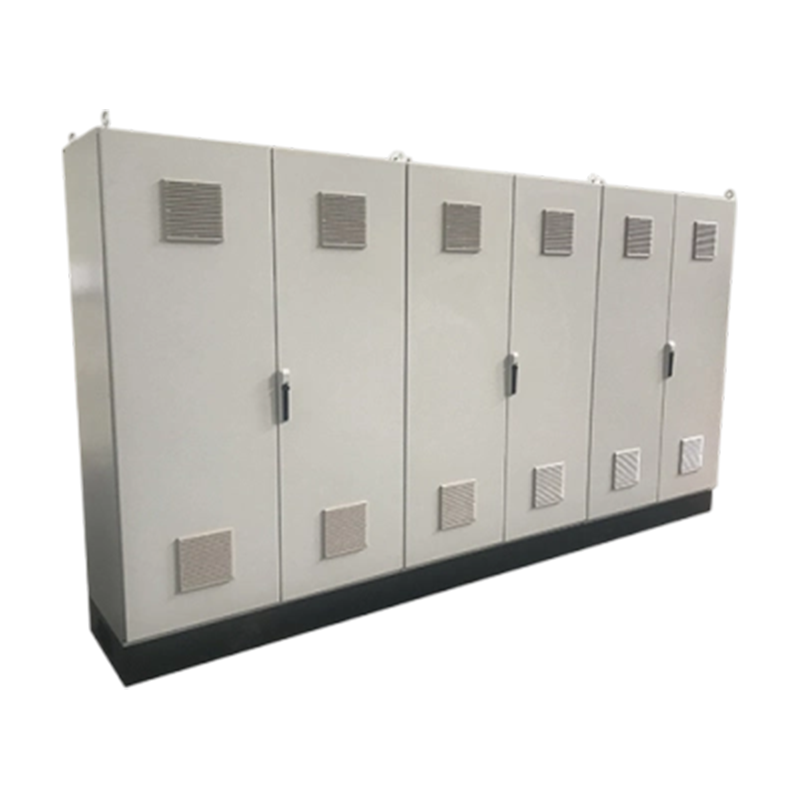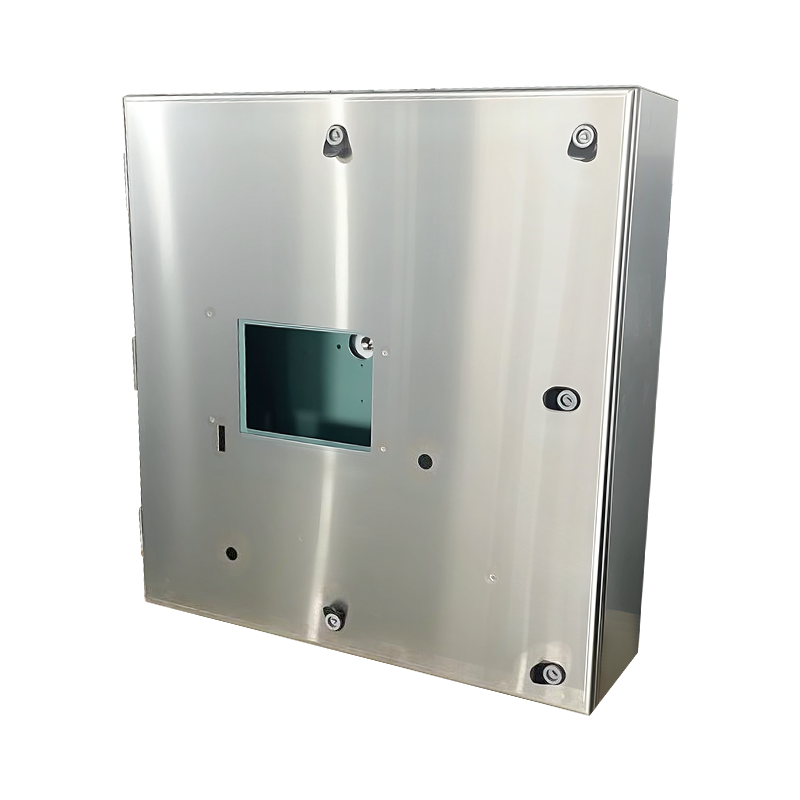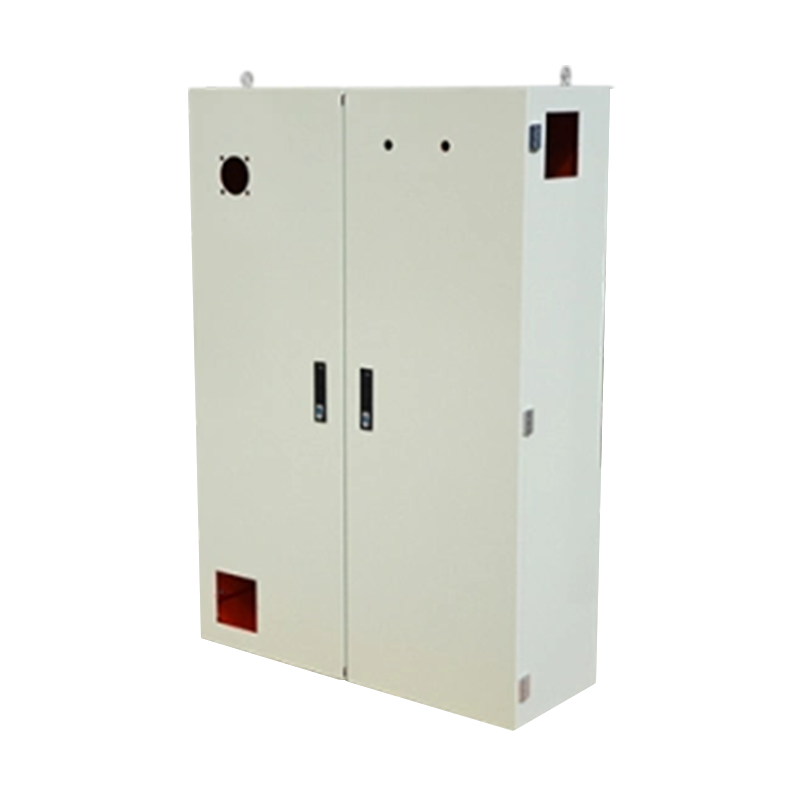
In the modern era of automation and complex operations, work platforms that enhance efficiency and ergonomics have become indispensable. One such innovation is the three-section control panel, designed to optimize workflows in environments that demand precision and continuous operation.
A three-section control panel is a professional work platform equipped with an innovative zoned design, typically featuring three distinct sections dedicated to different operational tasks. The zoning optimizes workflow, ensuring that each section serves a specific purpose, which ultimately enhances productivity and reduces operational bottlenecks. This type of panel is designed with the user in mind, offering modular functionality, ergonomic optimization, and efficient organization of equipment and tools.
One of the most significant aspects of the three-section control panel is its zoned structure, which divides the workspace into three primary areas, each catering to specific operational functions:
Main Operation Area: This spacious, flat workspace is designed to meet the core operational needs of the user. It provides ample room for essential tasks and is typically located at the center of the panel for ease of access.
Equipment Integration Area: The panel features customized mounting holes for display devices and control instruments, ensuring that all necessary equipment can be securely integrated into the workspace. This section is designed to streamline operations and keep equipment organized.
Auxiliary Tool Area: Often, professionals require quick access to tools and documents. This area is equipped with storage solutions that provide easy access to frequently used tools, making it a vital part of the panel for maintaining smooth operations.
A defining feature of the three-section control panel is its flow-oriented design. The zoning is not arbitrary but based on standard operating procedures, which ensures seamless transitions between stages of operation. For instance, the panel may be divided into “preparation,” “operation,” and “packaging” zones. This logical flow not only improves efficiency but also reduces the chances of errors during transitions between tasks.
| Stage | Function | Location on Panel |
|---|---|---|
| Preparation | Initial setup of tools and equipment | Auxiliary Tool Area |
| Operation | Main tasks and control operations | Main Operation Area |
| Packaging | Finalization and packaging of results | Equipment Integration Area |
By streamlining tasks in this manner, the three-section control panel allows operators to focus on their tasks without the need for unnecessary movement or equipment adjustments.
Long working hours can lead to fatigue and discomfort, especially in high-pressure environments. The three-section control panel is engineered to reduce these risks through ergonomic optimization. Each section’s height and angle are scientifically calculated to promote comfort and minimize physical strain. This ergonomic consideration not only enhances operator productivity but also protects their long-term health by preventing repetitive strain injuries.
The modular design of the three-section control panel offers incredible flexibility. Operators can choose and install dedicated modules depending on their task requirements. Whether it’s adding a keyboard tray, installing instrument rails, or incorporating cable management systems, the modular approach ensures that the panel can be tailored to meet specific needs. This adaptability makes the three-section control panel ideal for diverse professional environments.
The three-section control panel is designed for high-demand environments where precision, organization, and ergonomics are critical. Some of the most common application areas include:
In control centers, such as those used in intelligent manufacturing, traffic management, and energy dispatching, the three-section control panel offers a well-organized space to manage complex tasks. The ergonomic design ensures that operators can work for extended periods without discomfort, while the modular sections provide flexibility for integrating control devices and instruments.
In testing environments, such as product quality testing stations or precision measurement platforms, the three-section control panel provides a clean, efficient workspace. It allows for easy organization of testing tools, instruments, and documentation, facilitating smooth and error-free operations.
Broadcast and television control consoles, as well as medical diagnostic stations, benefit from the customizable and ergonomic features of the three-section control panel. Whether it’s for mixing performances or running diagnostic equipment, the panel’s zoning ensures a streamlined workflow, enabling users to focus on their tasks.
Increased Efficiency: By organizing the workspace into dedicated sections, the panel ensures that each task can be performed in an optimal environment, reducing time spent searching for tools or adjusting equipment.
Reduced Fatigue: Ergonomic design considerations minimize physical strain, allowing users to work longer hours without discomfort, which is particularly important in demanding industries.
Customizability: The modular system provides users with the ability to tailor the control panel to their specific needs, enhancing flexibility in a variety of professional settings.
Enhanced Organization: The zoned design ensures that tools, equipment, and documents are always within reach, improving the overall efficiency and effectiveness of operations.
1. What industries benefit most from a three-section control panel?
The three-section control panel is widely used in control centers, testing institutions, and professional venues, including manufacturing, traffic control, laboratory testing, and medical diagnostics.
2. How does the ergonomic design of the control panel improve user comfort?
The height and angle of each section are specifically optimized to reduce strain on the body, allowing users to work for extended periods without discomfort.
3. Can I customize the sections of the control panel based on my needs?
Yes, the modular design of the three-section control panel allows for the selection of dedicated modules such as keyboard trays, instrument rails, and cable management systems.
4. How does the flow-oriented design improve operational efficiency?
By organizing the workspace into distinct operational stages, the flow-oriented design minimizes unnecessary movement and streamlines task transitions, ultimately improving productivity.
5. Is the three-section control panel suitable for all types of operations?
While it is ideal for complex operations that require organized, ergonomic workspaces, the three-section control panel can be adapted for a variety of environments, including those in control centers, laboratories, and media stations.
This three-section control panel offers a comprehensive solution for professionals seeking an efficient, ergonomic workspace. With its modular design, optimized workflow, and customizable features, it is an indispensable tool in high-demand industries that prioritize organization, comfort, and productivity.
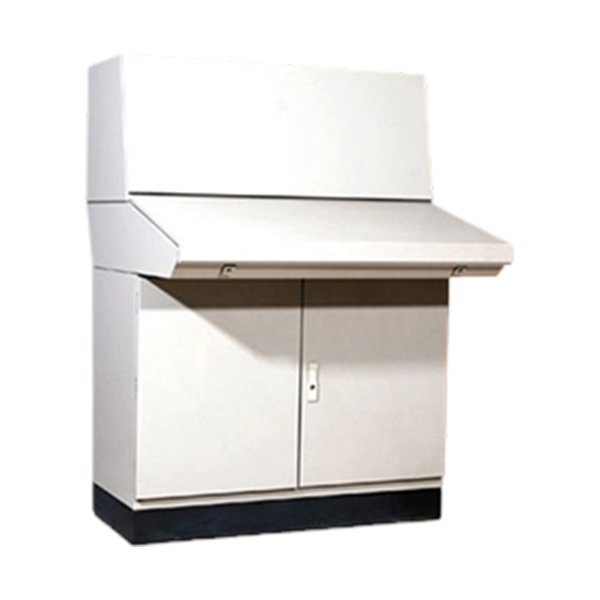
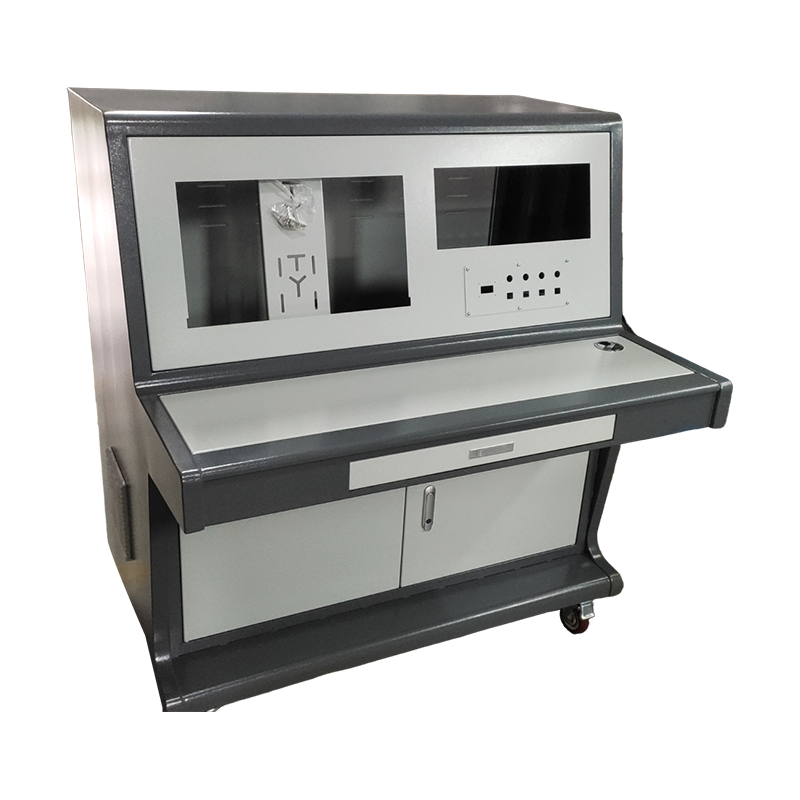
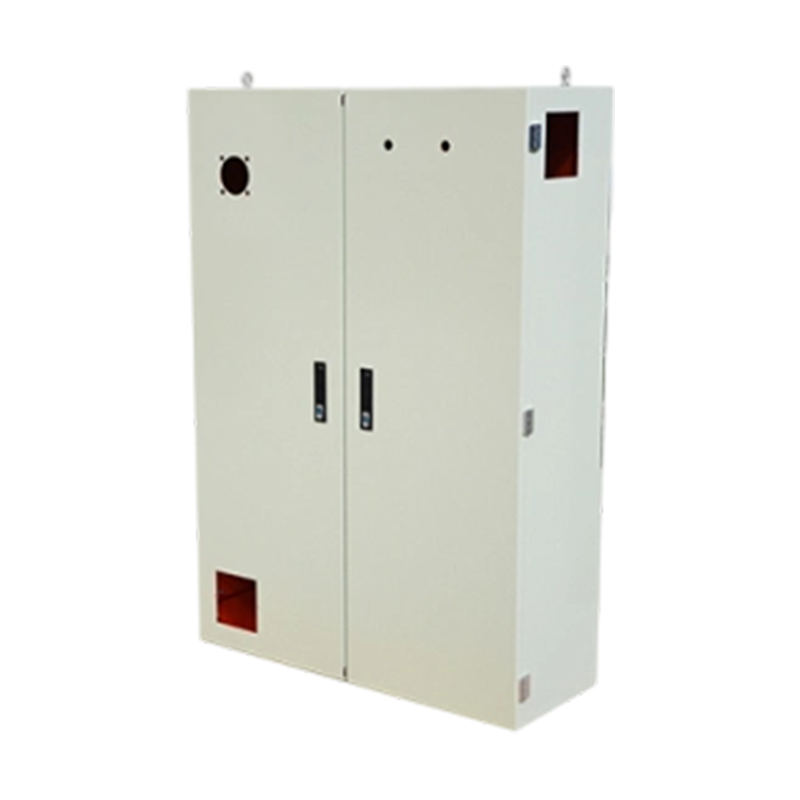
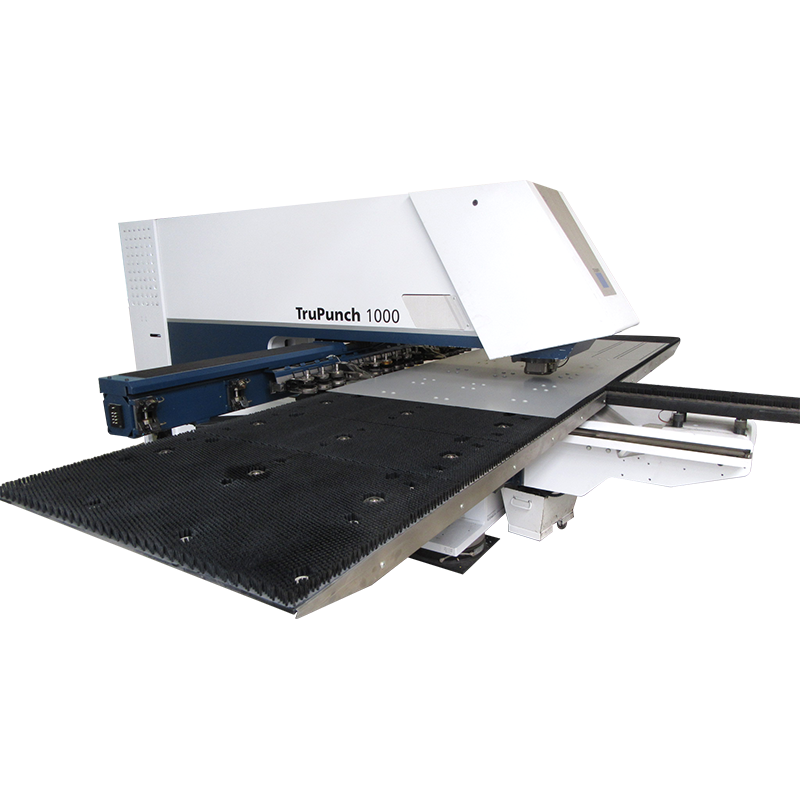
The variety of models, to meet the development needs of various regions in the world.
Carbon steel spray-coated AE electrical box
Non-standard carbon steel spray-coated custom cabinet
Non-standard customized mobile control panel
Phone:+86-15896481972(zhuxiaosui)
Fax: +86-0510-83890571
E-Mail: [email protected]
ADD:No. 2 Qida Road, No. 1 Shunqi Road, Yuqi Street, Huishan District, Wuxi City, Jiangsu Province, China

 English
 русский
 Español
 中文简体
中文简体