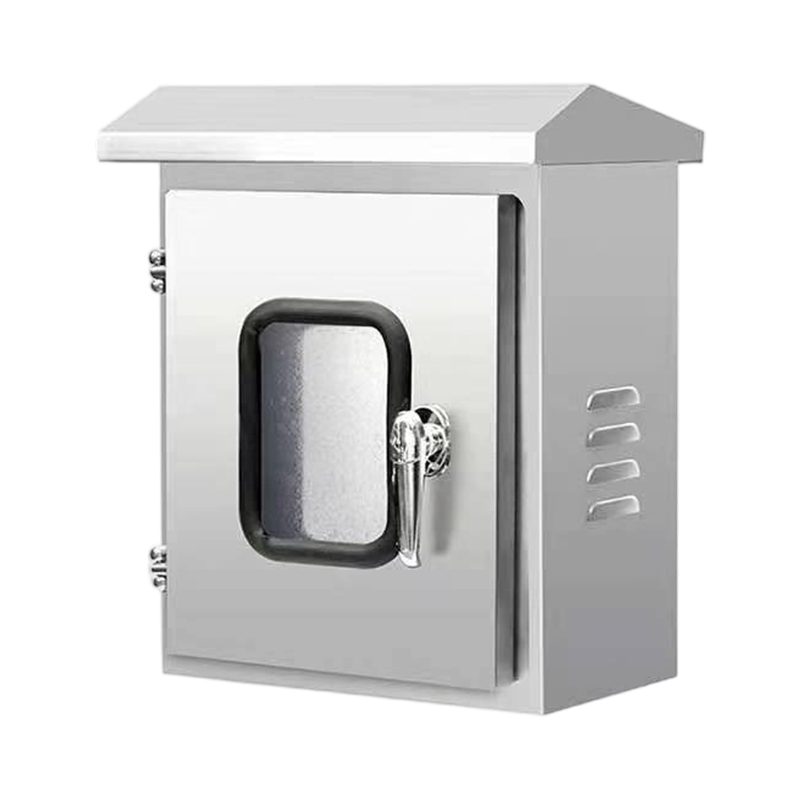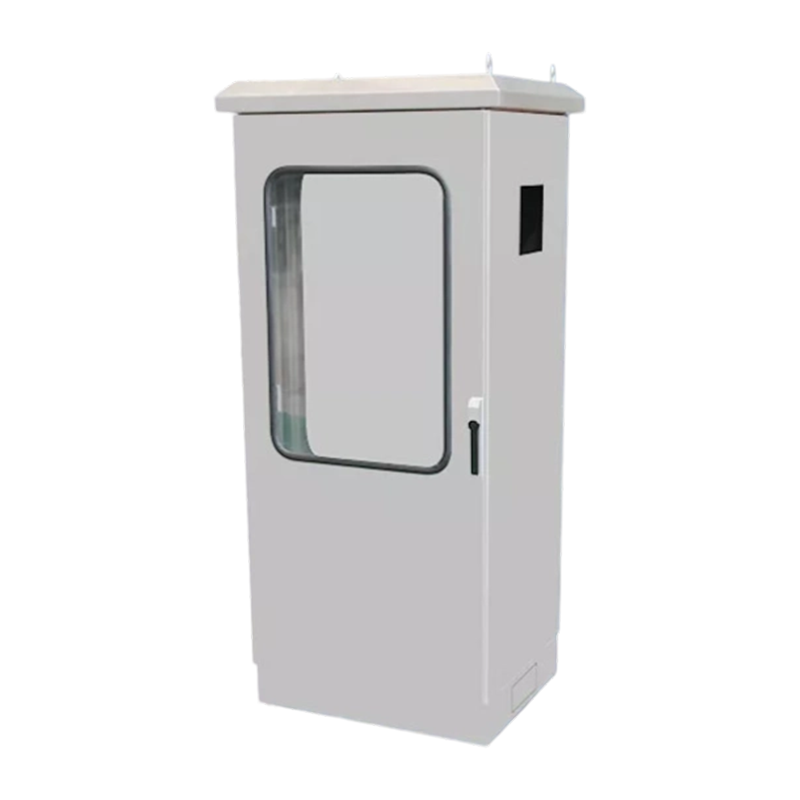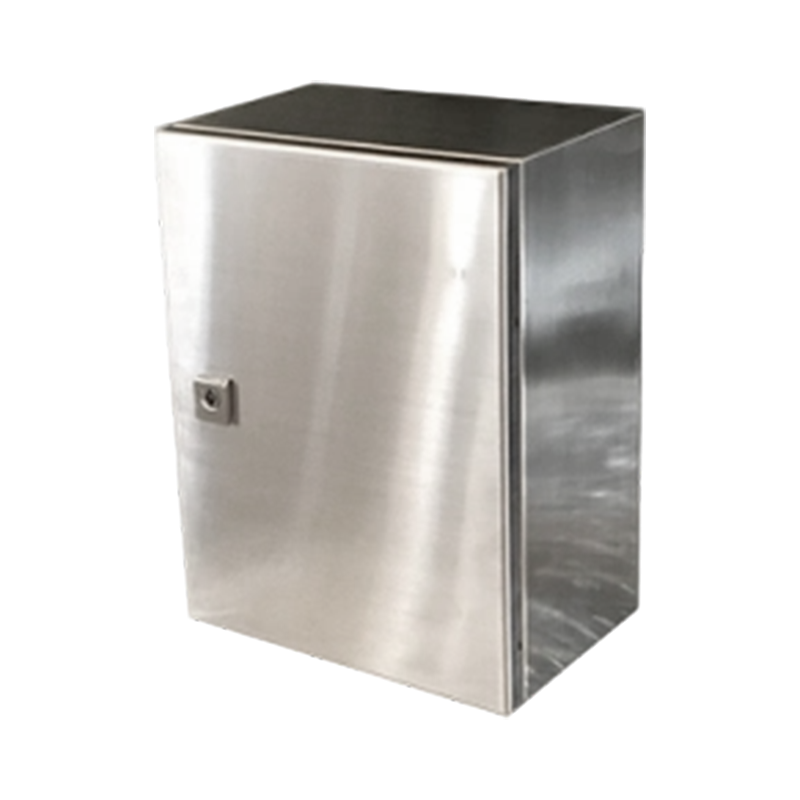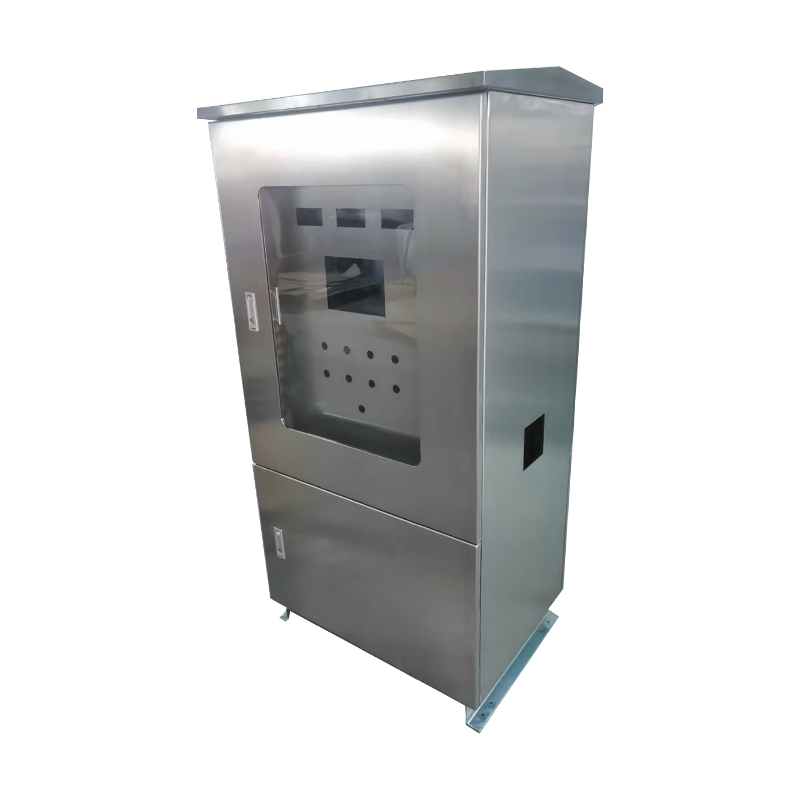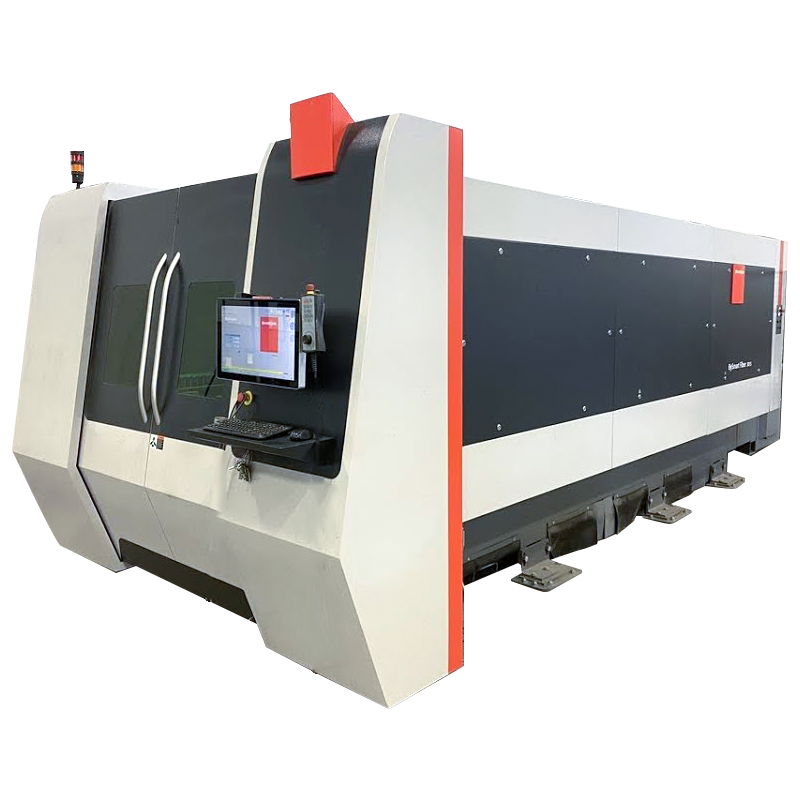
Stainless steel worktables are indispensable in high-demand industrial environments where durability, hygiene, and functionality are paramount. These versatile platforms are designed to withstand tough conditions, offering numerous benefits across various industries. Whether used for equipment installation, operation control, or office functions, stainless steel worktables meet rigorous requirements for performance and safety.
One of the most significant advantages of stainless steel worktables is their durability. Made from high-quality stainless steel, these worktables are engineered to withstand the harshest conditions in industrial environments. They are resistant to rust, corrosion, and extreme temperatures, making them ideal for industries that deal with chemicals, food production, and heavy machinery.
Stainless steel worktables are particularly beneficial in industries that require stringent hygiene standards, such as food processing, pharmaceuticals, and healthcare. The smooth, non-porous surface of stainless steel prevents the accumulation of bacteria, mold, and other harmful contaminants, which is crucial for maintaining a clean and sterile workspace.
Stainless steel worktables offer great versatility, which is essential in high-demand environments. These tables can be customized to accommodate various equipment, tools, and office functions, ensuring seamless integration into any workflow. From adjustable heights to integrated storage solutions, stainless steel worktables can be designed to meet the unique needs of any operation.
While stainless steel worktables may have a higher upfront cost compared to alternative materials, their long lifespan and low maintenance requirements make them a cost-effective option in the long run. Their ability to withstand wear and tear without needing frequent repairs or replacements makes them an investment that pays off over time.
In addition to their functional advantages, stainless steel worktables also offer aesthetic benefits. Their sleek, modern appearance complements a professional environment, contributing to a clean, polished look in any industrial setting. This can enhance the overall atmosphere of the workspace, making it more organized and efficient.
As industries worldwide focus more on sustainability, stainless steel worktables are becoming an increasingly popular choice. Stainless steel is fully recyclable, reducing waste and environmental impact. By investing in durable, recyclable materials, businesses can align their operations with green practices and contribute to a more sustainable future.
The integration of stainless steel worktables into high-demand environments can significantly enhance workflow efficiency. By providing sturdy and reliable surfaces for workers to perform tasks, these tables reduce downtime and improve productivity. Their ergonomic design helps optimize space and equipment arrangement, leading to smoother operations.
Stainless steel worktables are an essential tool for industries that demand durability, hygiene, and efficiency. Their ability to withstand harsh conditions, maintain cleanliness, and provide customizable design options makes them the ideal solution for high-demand environments. By investing in stainless steel worktables, businesses can improve operational efficiency, reduce costs, and contribute to a sustainable future, all while enhancing the functionality and aesthetics of their workspace.
1. What are the main benefits of using stainless steel worktables?
Stainless steel worktables are durable, hygienic, and customizable, making them ideal for industrial environments where efficiency and safety are crucial.
2. Can stainless steel worktables be used in food processing?
Yes, stainless steel worktables are highly resistant to corrosion and easy to clean, meeting the stringent hygiene standards required in food processing.
3. How do stainless steel worktables improve workspace organization?
These worktables offer customizable storage options and can be designed to fit specific equipment, helping to keep the workspace organized and efficient.
4. Are stainless steel worktables environmentally friendly?
Yes, stainless steel is fully recyclable, contributing to sustainability efforts and reducing environmental impact.
5. What industries benefit the most from using stainless steel worktables?
Industries like food processing, pharmaceuticals, healthcare, and manufacturing all benefit from the durability, hygiene, and functionality of stainless steel worktables.
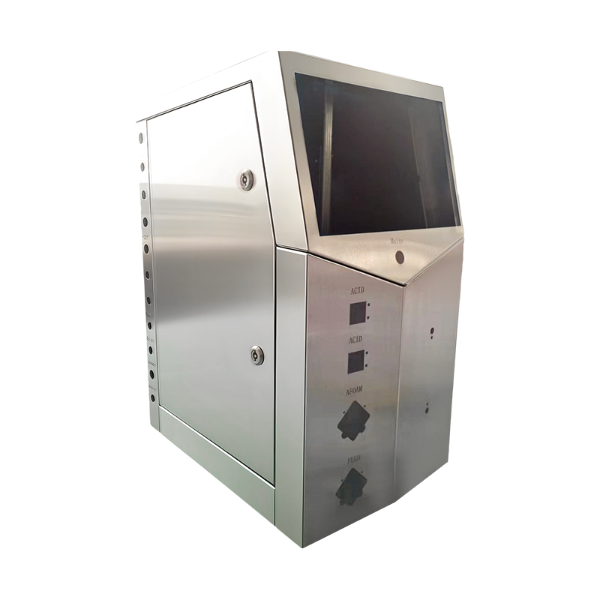
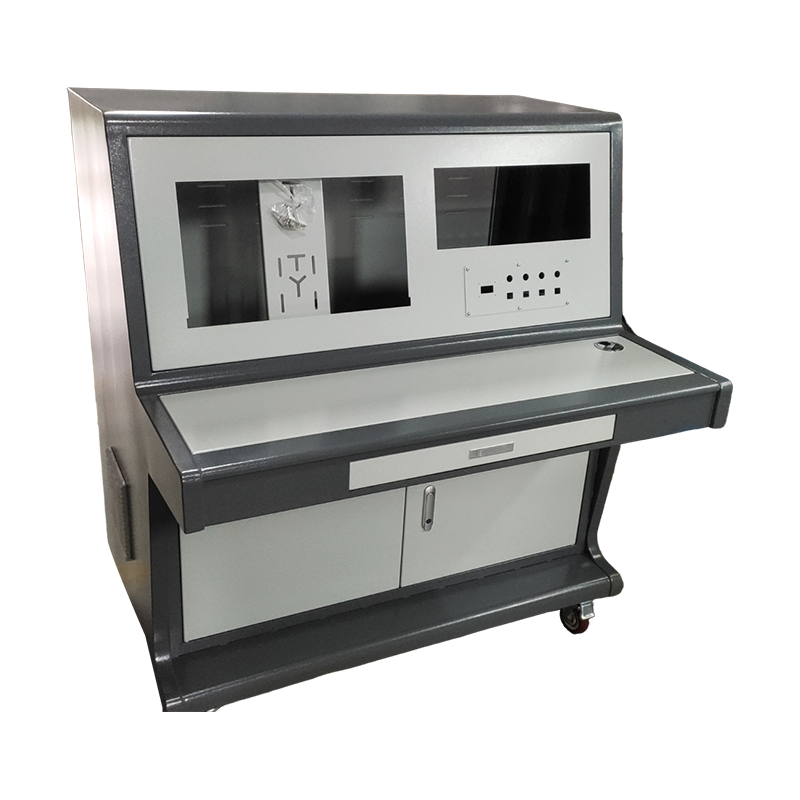
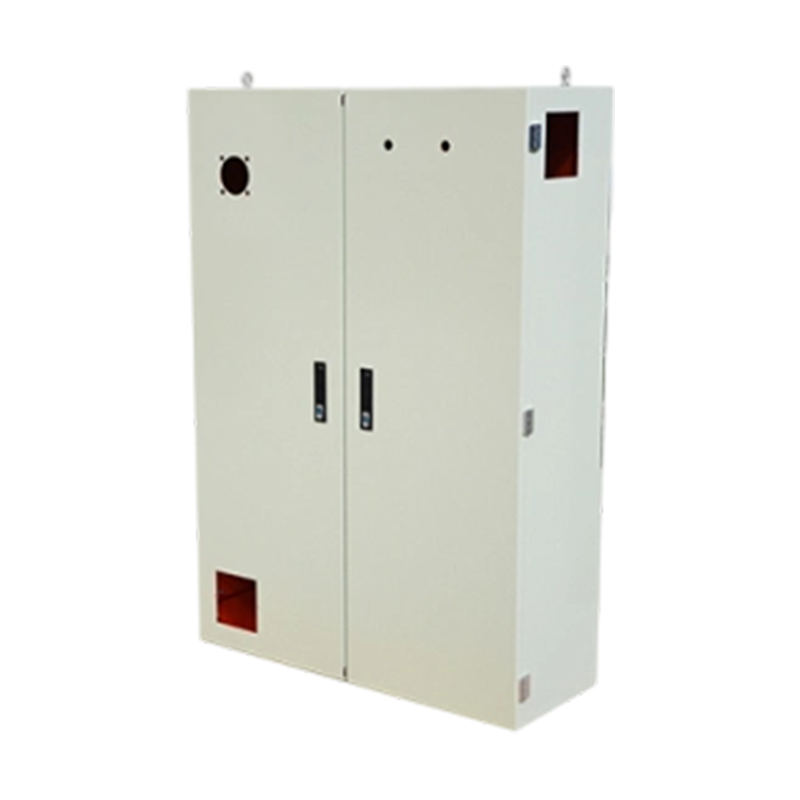
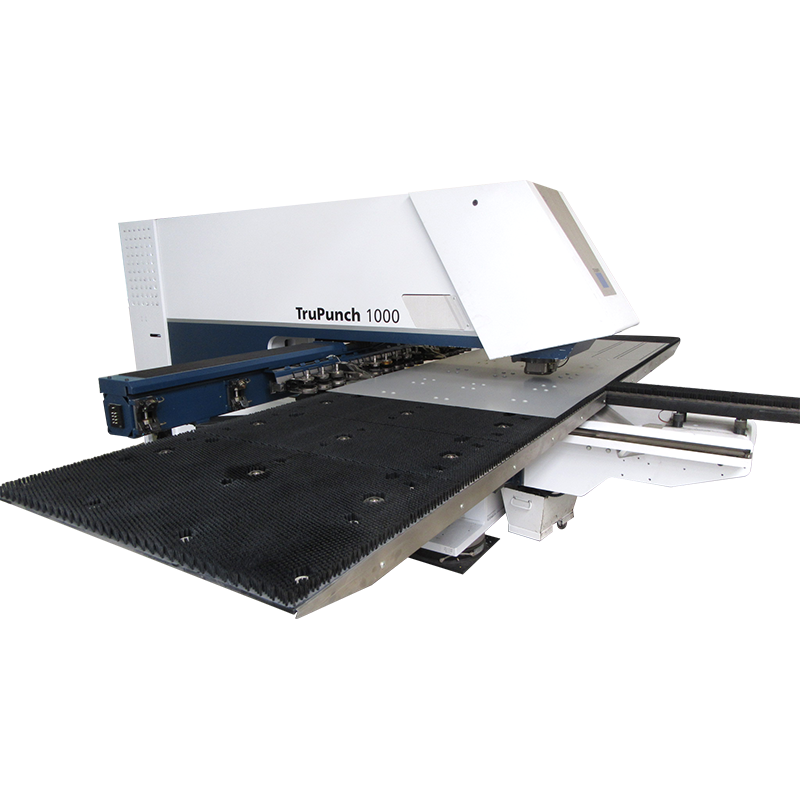
The variety of models, to meet the development needs of various regions in the world.
Carbon steel spray-coated AE electrical box
Non-standard carbon steel spray-coated custom cabinet
Non-standard customized mobile control panel
Phone:+86-15896481972(zhuxiaosui)
Fax: +86-0510-83890571
E-Mail: [email protected]
ADD:No. 2 Qida Road, No. 1 Shunqi Road, Yuqi Street, Huishan District, Wuxi City, Jiangsu Province, China

 English
 русский
 Español
 中文简体
中文简体