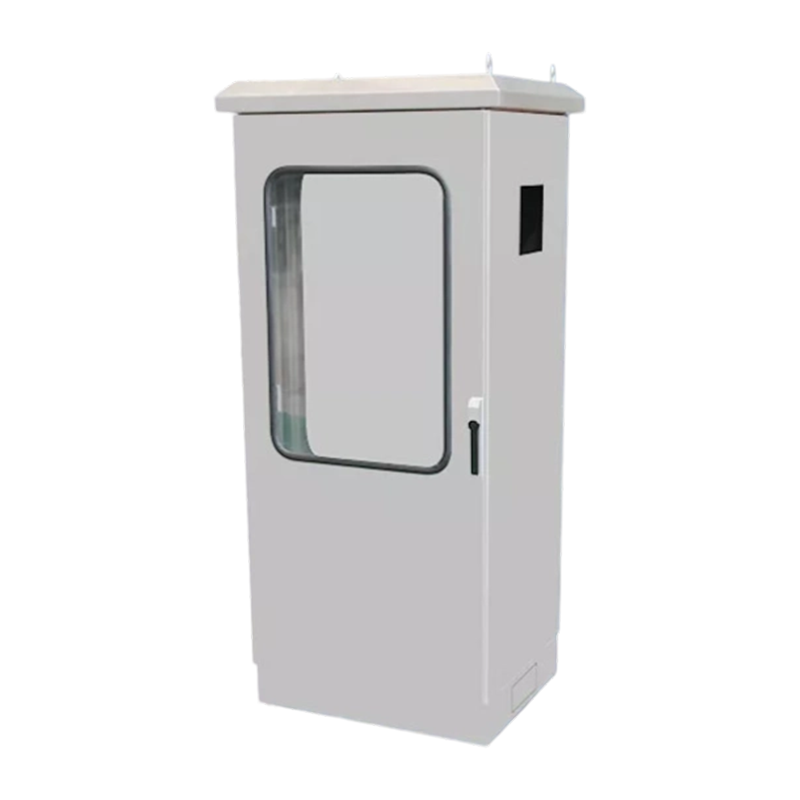
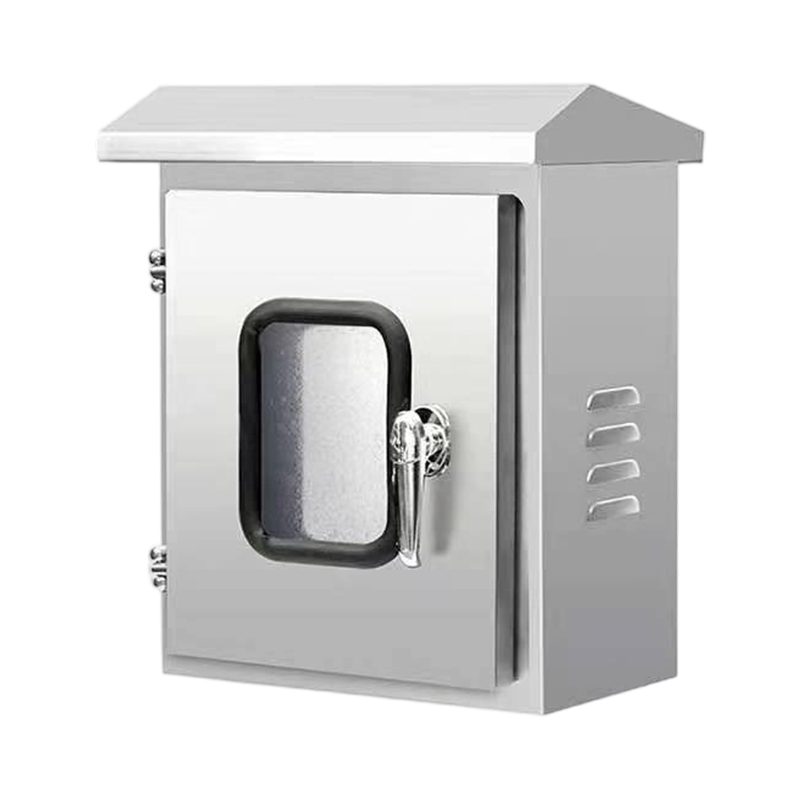
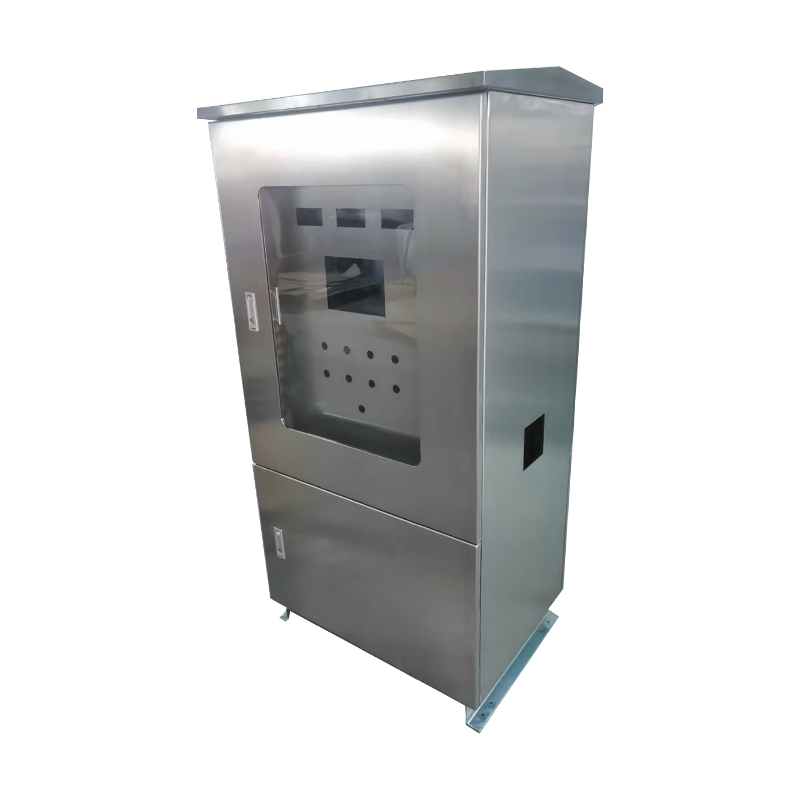
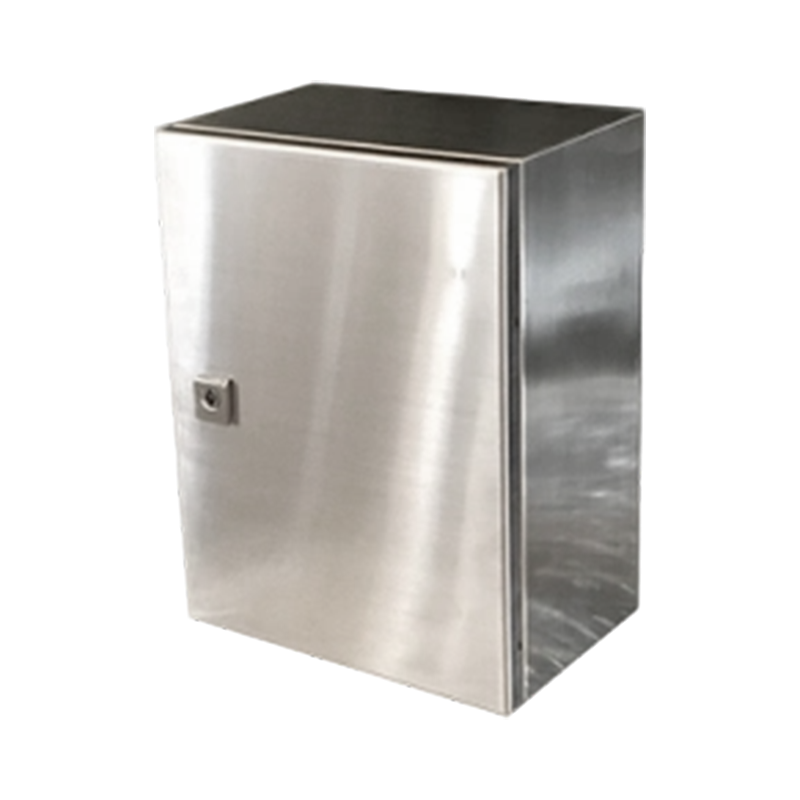
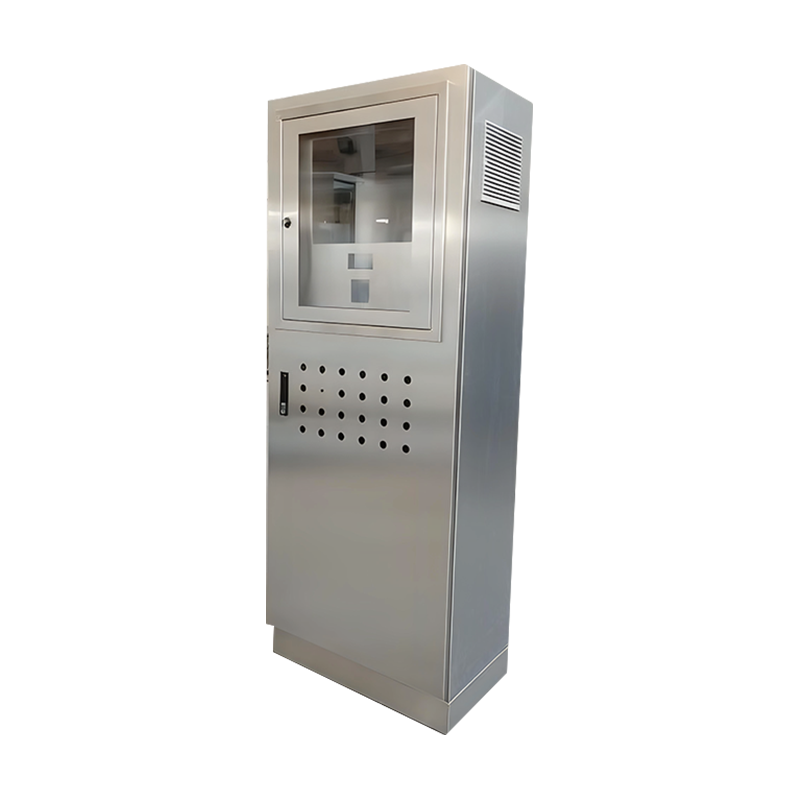
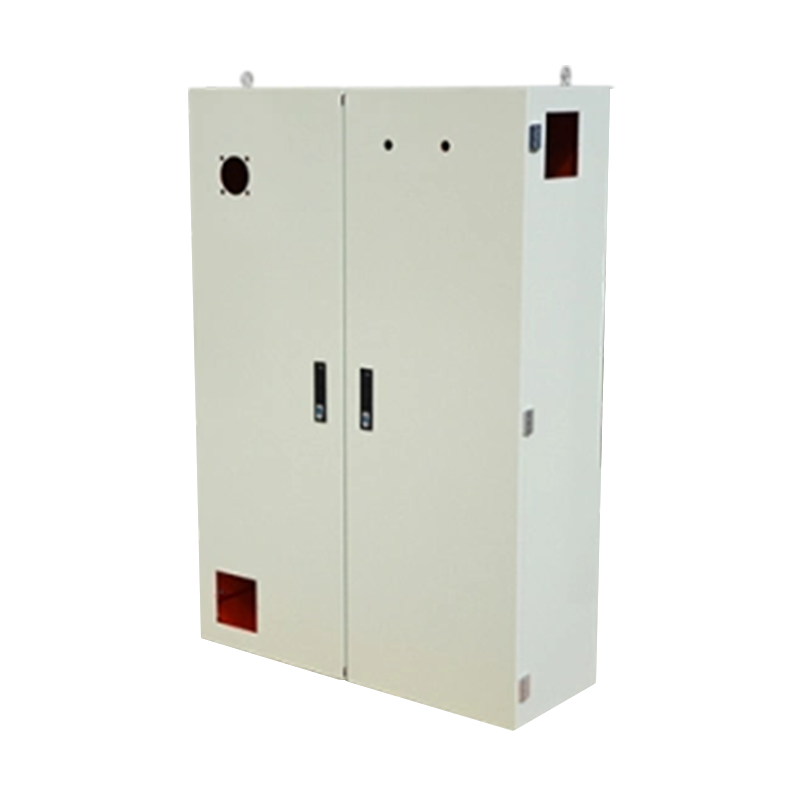
The Ultimate Guide to Stainless Steel Outdoor Rainproof Cabinets
In industries where reliability cannot be compromised by weather, the integrity of electrical and control systems hinges on their first line of defense: the enclosure. A stainless steel outdoor rainproof cabinet is far more than a metal box; it is a precisely engineered protective system designed to shield sensitive equipment from rain, dust, corrosion, and extreme temperatures. For manufacturers like Wuxi Runjiu Tian Machinery Co., Ltd., creating such a product requires a deep synthesis of material science, precision fabrication, and sealing technology to fulfill the promise of uninterrupted operation in harsh outdoor environments.
Material Excellence: Why Stainless Steel is Non-Negotiable Outdoors
The choice of stainless steel as the primary material is foundational. Its superior corrosion resistance, structural strength, and longevity make it the industry standard for outdoor protection, outperforming coated carbon steel alternatives where long-term exposure is a factor.
- Austenitic Grades (304 & 316): The most common choices. Grade 304 offers excellent general corrosion resistance, while Grade 316, with added molybdenum, provides superior resistance to chlorides and is essential for coastal or de-icing salt environments.
- Inherent Durability: Unlike coated metals, stainless steel's protection is integral. It will not chip or peel, and its passive layer self-repairs in the presence of oxygen, ensuring lasting performance.
- Structural Integrity: It maintains strength and form in a wide temperature range, resisting warping or degradation from UV exposure, which is critical for maintaining door seals and overall enclosure geometry.
Engineering the Seal: Beyond Basic Weatherproofing
A "rainproof" designation demands a systematic approach to sealing. It involves every joint, seam, and penetration, translating into specific design features and international protection ratings.
Key Protection Parameters and Design Features
| Feature / Parameter |
Typical Specification |
Purpose and Importance |
| IP (Ingress Protection) Rating |
IP65, IP66 |
Defines level of sealing against solids and liquids. IP65 is dust-tight and protects against low-pressure water jets. IP66 offers protection against powerful water jets. |
| Gasket Material |
EPDM or Silicone Rubber |
Provides a compressible, durable seal on door frames. EPDM offers excellent weather resistance; silicone handles a wider temperature range. |
| Construction & Seams |
Continuous Welding, Seam Sealant |
Eliminates water ingress paths through the cabinet body. Welded corners followed by sealant application ensure a hermetic shell. |
| Cable Entry |
Waterproof Gland Plates or Knock-outs with IP-rated Cable Glands |
Prevents water from tracking into the cabinet along cables. A critical and often overlooked point of entry. |
| Overhanging Roof / Drip Edge |
25-50mm overhang |
Directs rainwater away from door and front panel seams, a simple but vital architectural feature. |
The Fabrication Precision That Enables Reliability
The theoretical design of a sealed cabinet is only as good as its physical execution. This is where precision manufacturing capabilities, like those of an integrated fabricator, become critical.
- Precision Cutting and Forming: High-precision laser cutting ensures panel dimensions are exact, which is paramount for proper door-to-frame alignment. CNC bending guarantees consistent, right-angle bends, creating a square cabinet where sealing gaskets compress evenly around the entire perimeter.
- Consistent Surface & Seam Preparation: A uniform, smooth surface is easier to seal and clean. Properly prepared seams (de-burred, smooth) allow weld beads and external sealants to adhere effectively, creating a continuous barrier.
- Integrated Design for Manufacturability: A manufacturer that controls both design and production can optimize the cabinet for assembly—ensuring gasket channels are correctly sized, hardware aligns perfectly, and any welding or finishing does not compromise the final seal.
FAQ
What is the real difference between IP65 and IP66 ratings for an outdoor cabinet?
The difference lies in the level of water pressure the enclosure can withstand. Both are dust-tight (6). An IP65 cabinet is protected against "water jets" from a 6.3mm nozzle from any direction. An IP66 cabinet is protected against "powerful water jets" from a 12.5mm nozzle. In practical terms, IP65 is suitable for most outdoor applications facing heavy rain and wind-driven spray. IP66 should be specified for locations subject to direct, high-pressure wash-down, or where the equipment may be exposed to temporary flooding or forceful spray from cleaning operations. For a true "rainproof" guarantee in harsh conditions, IP66 is the more robust choice.
Is 304 stainless steel good enough for outdoor use, or do I always need 316?
Grade 304 stainless steel is excellent for most general outdoor applications and is a cost-effective standard. However, Grade 316 is necessary in environments with elevated levels of chlorides. This includes coastal regions (salt spray), areas where de-icing salts are used on roads, and certain industrial atmospheres. Chlorides can induce pitting and crevice corrosion in 304. If there is any doubt about the presence of chlorides, specifying 316 is the safer, more durable long-term investment. An integrated manufacturer can advise on this critical selection based on your installation site.
How important is thermal management in a sealed outdoor rainproof cabinet?
Extremely important. A sealed cabinet prevents heat from escaping naturally. Internal heat buildup from electrical components can lead to premature failure, condensation (when temperatures cycle), and reduced performance. Proper thermal management must be engineered into the design. Options include:
- Passive Cooling: Using sunshades or radiant-heat-reflective paints to reduce solar load.
- Forced Ventilation: IP-rated fan and filter systems that exchange air while maintaining the seal.
- Closed-Loop Cooling: Air-to-air heat exchangers or air conditioners that cool internal air without exposing it to the outside atmosphere, ideal for very dusty or humid environments.
The choice depends on the internal heat load and the external climate.
Can an outdoor cabinet be both rainproof and prevent internal condensation?
Yes, but it requires proactive measures. Condensation occurs when warm, moist air inside the cabinet cools down. To combat this:
- Seal and Dry Air: Ensure the cabinet is perfectly sealed to prevent moist ambient air from entering.
- Use Cabinet Heaters: A small thermostat-controlled heater keeps the internal air temperature above the dew point, preventing moisture from condensing on components.
- Employ Desiccants: Silica gel packs or renewable desiccant breathers absorb moisture from the enclosed air.
- Manage Internal Heat: As mentioned above, proper thermal management reduces large temperature swings that drive condensation.
A high-quality rainproof cabinet will offer options for integrating these condensation prevention systems.
Why should I choose an integrated manufacturer for a custom outdoor cabinet over a standard catalog item?
An integrated manufacturer like Wuxi Runjiu Tian Machinery offers distinct advantages for critical outdoor applications:
- Custom Fit for Purpose: The cabinet can be sized and configured precisely for your components, optimizing space, accessibility, and cable routing, which is impossible with a standard off-the-shelf box.
- Material and Feature Specification: You can specify the exact stainless steel grade, gasket material, window type, or special hardware needed for your environment.
- Seamless Integration of Accessories: Heaters, fans, air conditioners, and special mounting panels can be designed-in from the start, ensuring they are properly supported and do not compromise the cabinet's seals.
- Quality and Traceability: Direct control over the entire fabrication process, from laser cutting to final assembly, ensures higher consistency and accountability for the finished product's integrity.
For a protective asset meant to last decades in a harsh environment, this tailored approach ensures optimal performance and value.

 English
 русский
 Español
 中文简体
中文简体