Digital punch technology represents a fundamental shift in sheet metal fabrication, integrating CNC precision, automated tool handling, and real-time production monitoring. A
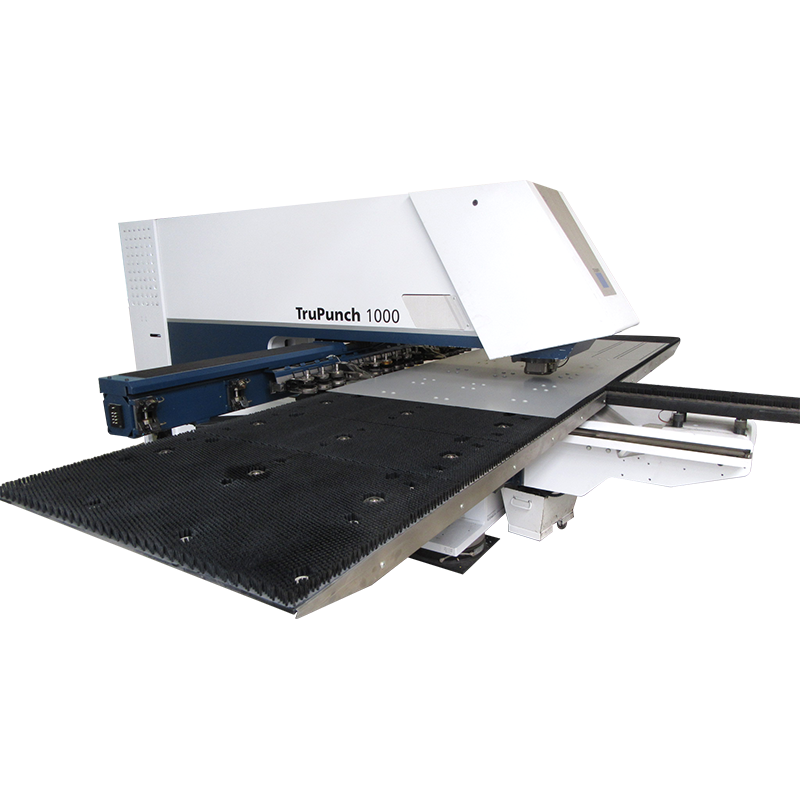
Trumpf digital punch combines high-speed punching with forming capabilities, enabling manufacturers to produce complex parts with consistent accuracy. The technology supports Industry 4.0 integration through data collection, remote diagnostics, and adaptive process control — transforming traditional punching operations into intelligent manufacturing cells.
900 hits/min maximum
±0.1 mm accuracy
8 sec tool change
165–300 kN punching force
Digital vs traditional punching: a performance comparison
The shift from conventional punch presses to Trumpf digital punch systems yields measurable improvements across multiple performance dimensions. Digital systems achieve positioning accuracy of ±0.1 mm compared to ±0.3–0.5 mm for manual presses. Tool change time drops from 15–20 minutes to under 10 seconds with automated tool changers. Production speed increases by 30–50% through optimized nesting and continuous operation. The digital advantage extends beyond speed: integrated quality monitoring reduces scrap rates by 40–60%, while data collection enables predictive maintenance and process optimisation. These improvements translate to lower per-part costs and faster time-to-market for new products.
Digital punch
- ±0.1 mm accuracy
- <10 sec tool change
- 2–4% scrap rate
- 5–15 min setup
- CNC controlled
Traditional punch
- ±0.3–0.5 mm accuracy
- 15–20 min tool change
- 6–10% scrap rate
- 45–90 min setup
- Manual operation
Core components and system architecture
A digital punch system integrates several advanced subsystems working in coordinated operation. The CNC controller executes programmed sequences with real-time position feedback from linear encoders. The tool magazine typically holds 18–40 tools, with automatic changers that select and position tools within seconds. The material handling system — either sheet feeder or coil feed — positions the raw material with servo precision. The punching unit delivers forces from 165 kN to 300 kN, capable of processing sheet metal up to 8 mm thick. Integrated sensors monitor tool wear, sheet position, and machine condition, feeding data back to the control system for adaptive process adjustment. This integration enables consistent quality without continuous operator intervention.
CNC controller Real-time position feedback · Linear encoders
Tool magazine 18–40 tools · Auto change <10 sec
Material handling Sheet feeder or coil feed · Servo precision
Integrated sensors Tool wear · Position · Condition monitoring
Tooling flexibility and forming capabilities
Beyond standard punching, digital punch systems perform a range of forming operations that expand manufacturing capability. The same machine that punches holes can also produce louvers, embossing, countersinks, card guides, and tapped holes through forming tools. This capability eliminates secondary operations, reducing handling time and improving part quality. The digital control system stores tool parameters and forming sequences, ensuring consistent results across production runs. Tooling flexibility extends to special applications: rotating tools produce long slits or keyways; multi-tool stations enable complex patterns without tool changes. For manufacturers producing diverse parts, this flexibility reduces capital investment by consolidating operations on a single machine.
▬ ▬ ▬
Digital punch vs laser cutting
Digital punch and laser cutting serve complementary roles in sheet metal fabrication. Laser cutting excels at complex contours, fine detail, and prototype work, offering unlimited shape flexibility with no tooling cost. Digital punch delivers 5–10× faster processing for repetitive hole patterns, louver forming, and parts with standard geometries. For hole-intensive parts such as electrical panels and filter grilles, digital punch can process 4–8 holes per second versus 1–2 holes per second for laser. Part cost analysis shows punch technology is 30–60% less expensive for production volumes above 1,000 parts. The optimal solution for many manufacturers is both technologies — laser for prototypes and complex shapes, punch for high-volume production.
Digital punch 4–8 holes/sec Hole-intensive parts
Laser cutting 1–2 holes/sec Complex contours
▬ ▬ ▬
Application-specific selection guide
A
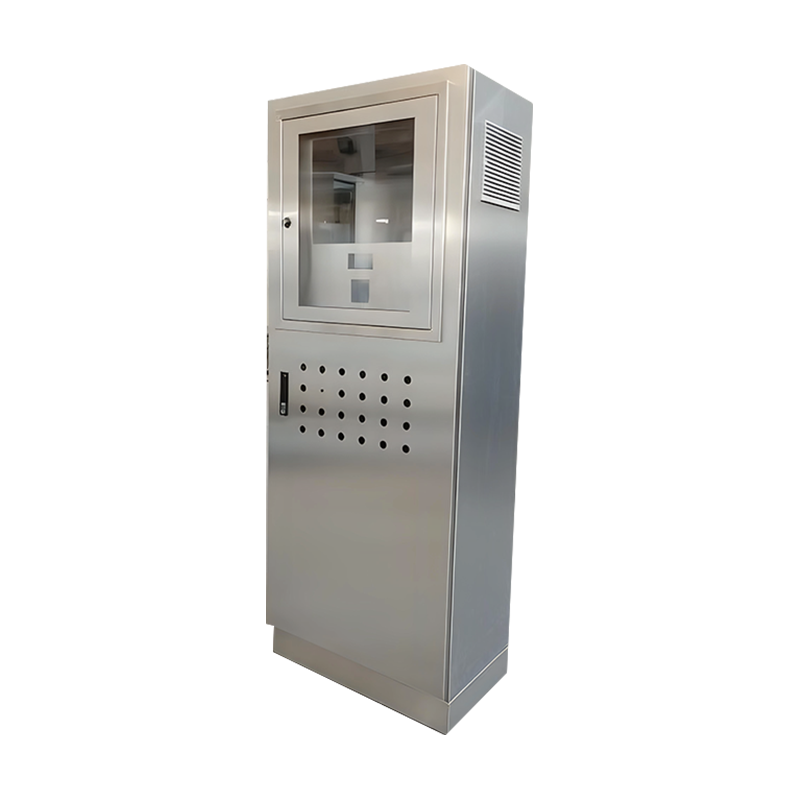
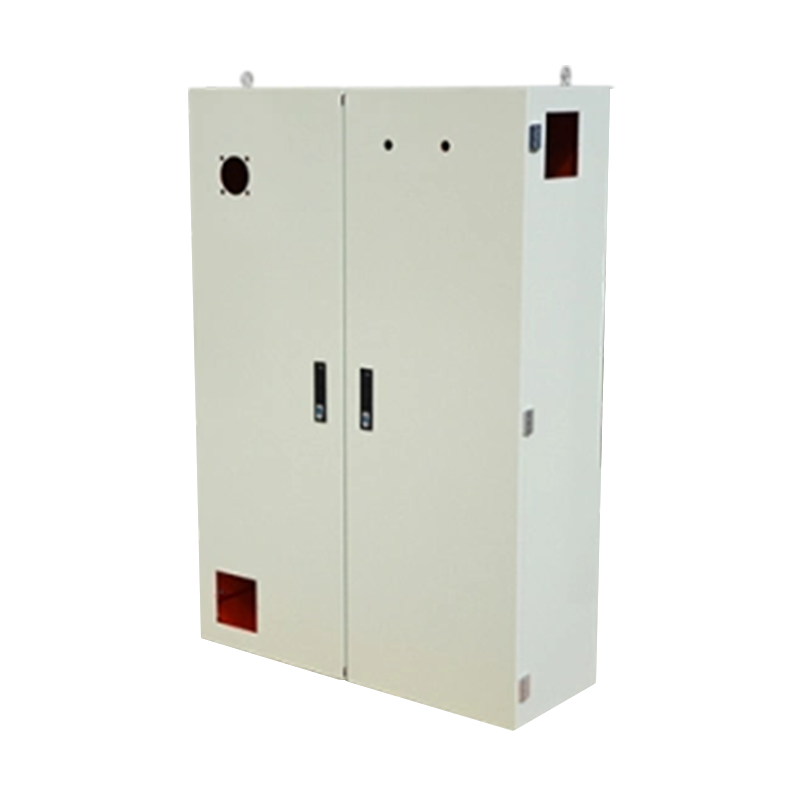
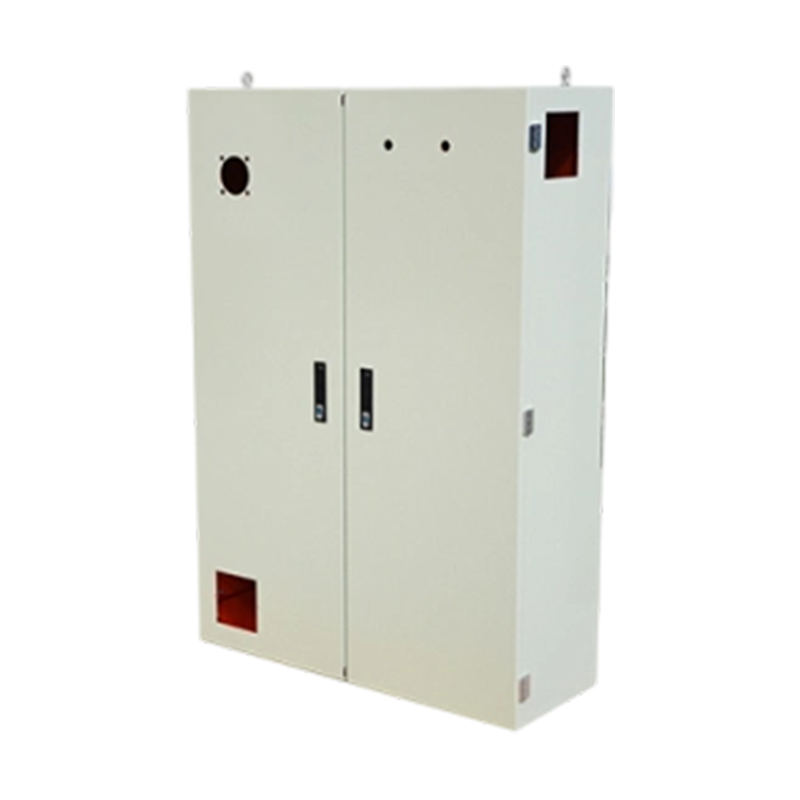
Electrical cabinets High hole density · Forming · 1–4 mm thickness
B
Automotive components Brackets · Panels · High volume · 1–6 mm
C
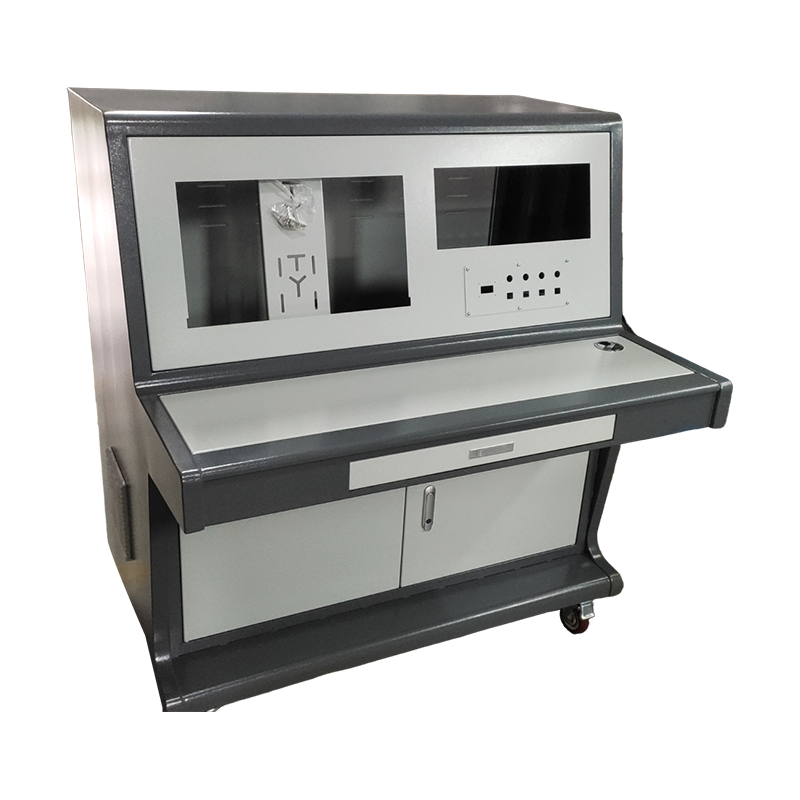
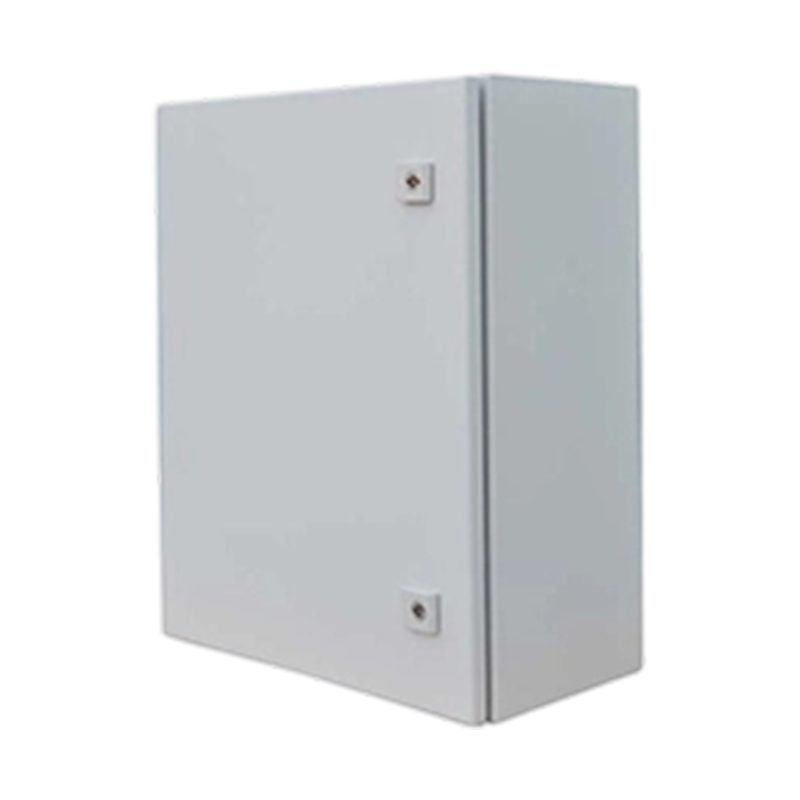
Industrial enclosures Housings · Covers · Forming · 1–5 mm
D
HVAC components Ventilation · Ducting · 0.8–3 mm
▬ ▬ ▬
Specification guide for selection
Selecting the right digital punch system requires matching machine capabilities to production requirements. Key parameters include punching force (165–300 kN), maximum sheet size (typically 1250×2500 mm or larger), material thickness capacity (up to 8 mm for steel, 6 mm for stainless), and tool station count (18–40). Positioning speed and acceleration affect cycle times — machines with 80–100 m/min X/Y traverse reduce processing time by 20–30%. Forming capability determines whether secondary operations are required. Evaluate tool change time, automatic lubrication systems, and software features such as nesting optimisation and remote diagnostics. Manufacturers should also consider future needs: production growth, new product introduction, and automation integration.
Punching force 165–300 kN Thickness capacity
Traverse speed 80–100 m/min Cycle time impact
Tool stations 18–40 Change frequency
Max thickness 6–8 mm Steel material
▬ ▬ ▬
Selection checklist
Define material types and thickness range
Calculate production volume and throughput
Determine maximum sheet size requirements
Identify forming operations needed
Evaluate automation integration needs
Consider software and programming requirements
Selection summary: Trumpf digital punch technology delivers significant advantages for sheet metal fabricators processing high volumes of hole-intensive parts. The combination of ±0.1 mm accuracy, sub-10 second tool changes, and integrated forming capability reduces production costs and improves quality. Evaluate punching force, sheet size, and automation features against your production requirements. Digital punch is particularly cost-effective for applications with repetitive hole patterns and forming operations, offering 30–60% lower part costs than laser for high-volume production.


 English
 русский
 Español
 中文简体
中文简体