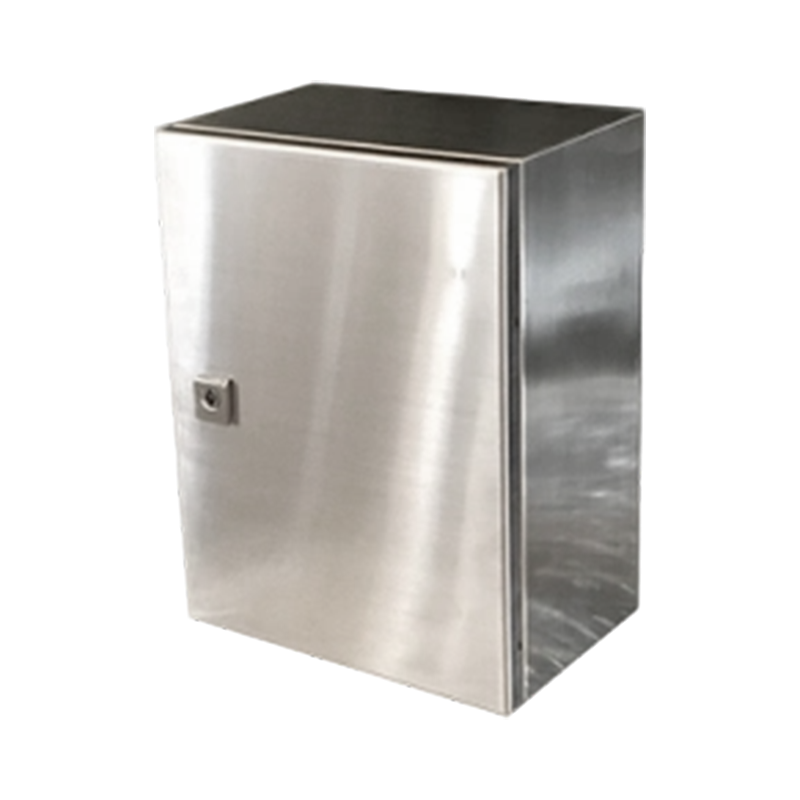
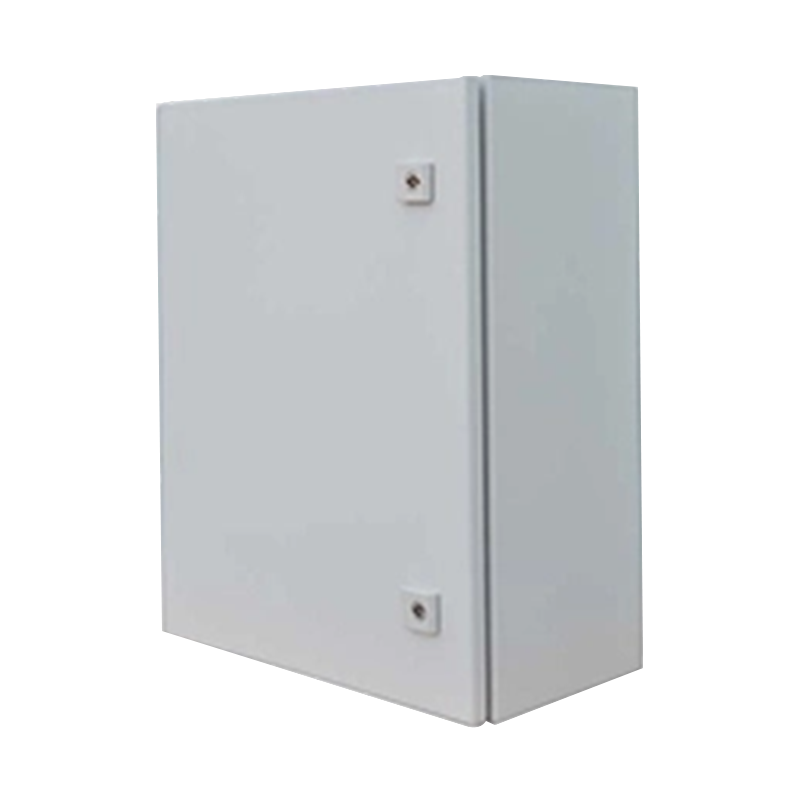
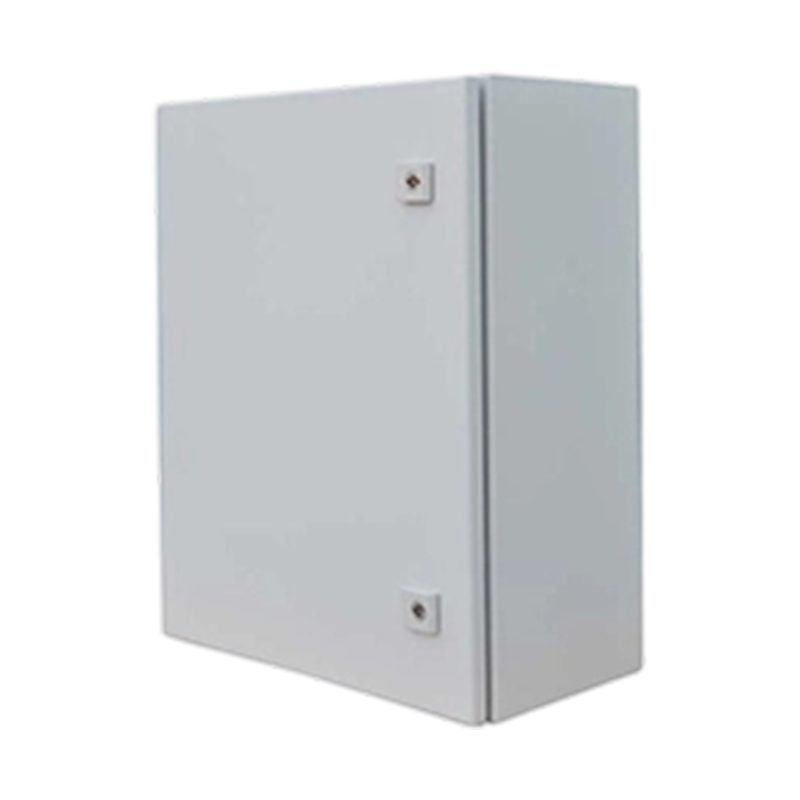
A sheet metal electrical enclosure is a fabricated steel, stainless, or aluminum cabinet built to protect circuit breakers, PLCs, and power components from dust, moisture, and impact while keeping wiring organized and safely contained. Getting the specification right up front avoids a rebuild once the enclosure is already installed.
A sheet metal electrical enclosure combines mechanical protection, EMI shielding, and thermal management in one fabricated housing, which is why it remains the standard choice for industrial control systems over plastic alternatives.
What It Protects and How
P
Physical protection — rigid metal walls shield circuit breakers, PLCs, and relays from impact and vibration.
S
Sealing performance — IP or NEMA-rated gaskets and joints keep out dust and moisture.
T
Thermal control — vents, fans, or heat exchangers remove heat generated by internal components.
A
Access design — hinged doors and removable panels keep maintenance fast and safe.
Sheet Metal vs Plastic Electrical Enclosures
| Feature |
Sheet Metal Enclosure |
Plastic Enclosure |
| Mechanical strength |
High impact resistance |
Lower impact resistance |
| EMI shielding |
Strong, built into the metal structure |
Needs added shielding layers |
| Temperature resistance |
Excellent in harsh conditions |
Limited by plastic type |
| Best fit |
Industrial and heavy-duty systems |
Lightweight electronics |
How an Enclosure Moves From Sheet to Finished Cabinet
1Cutting
2Bending
3Welding
4Coating
Laser cutting or CNC punching shapes each panel, CNC bending forms the enclosure walls, TIG or MIG welding joins the structure, and powder coating or galvanizing finishes it for corrosion resistance.
Specifications Worth Confirming Before Ordering
Evaluating a Manufacturer
Buyers sourcing a sheet metal electrical enclosure for OEM or industrial projects should confirm laser cutting and CNC bending capability at the size required, documented IP rating and weld inspection records, and the ability to customize cable entry, mounting rails, and coating for a specific installation.
Frequently Asked Questions
What determines an enclosure's real-world IP rating?
Gasket quality, door seal design, and cable entry sealing determine the achieved rating far more than the base metal, so testing records matter more than the number on a spec sheet.
Does a thicker sheet always mean a stronger enclosure?
Thickness helps, but weld quality and panel bracing often affect rigidity as much as raw material thickness for a given enclosure size.
When is active cooling necessary instead of vents?
Active cooling becomes necessary once internal heat load from power components exceeds what passive ventilation can remove, especially in sealed outdoor enclosures.
Can one enclosure design serve both indoor and outdoor use?
Only if it is rated and gasketed for outdoor exposure; an indoor-rated cabinet reused outdoors will typically fail sealing and corrosion requirements over time.


 English
 русский
 Español
 中文简体
中文简体