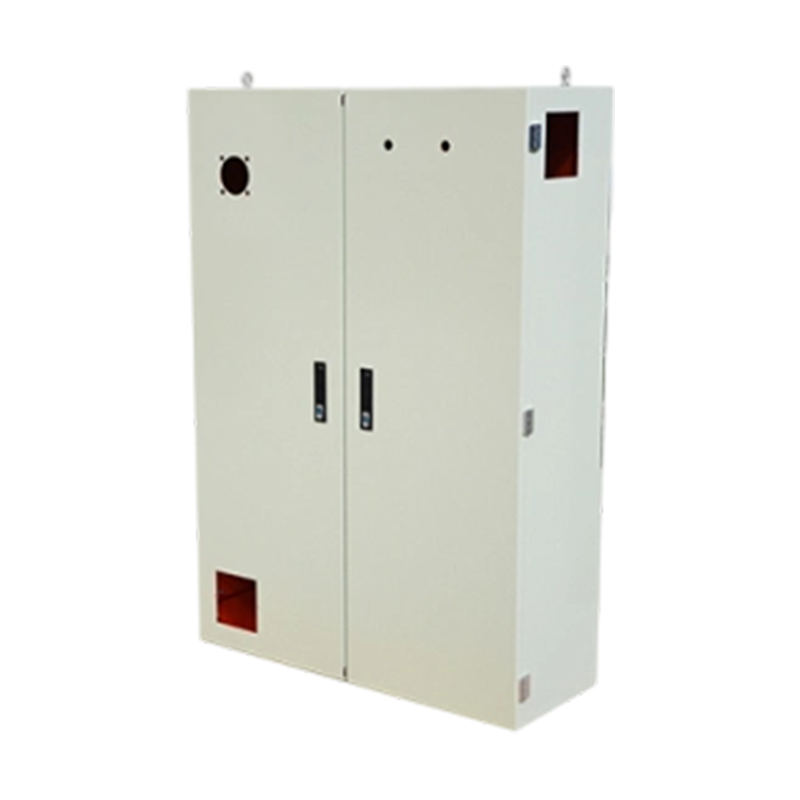
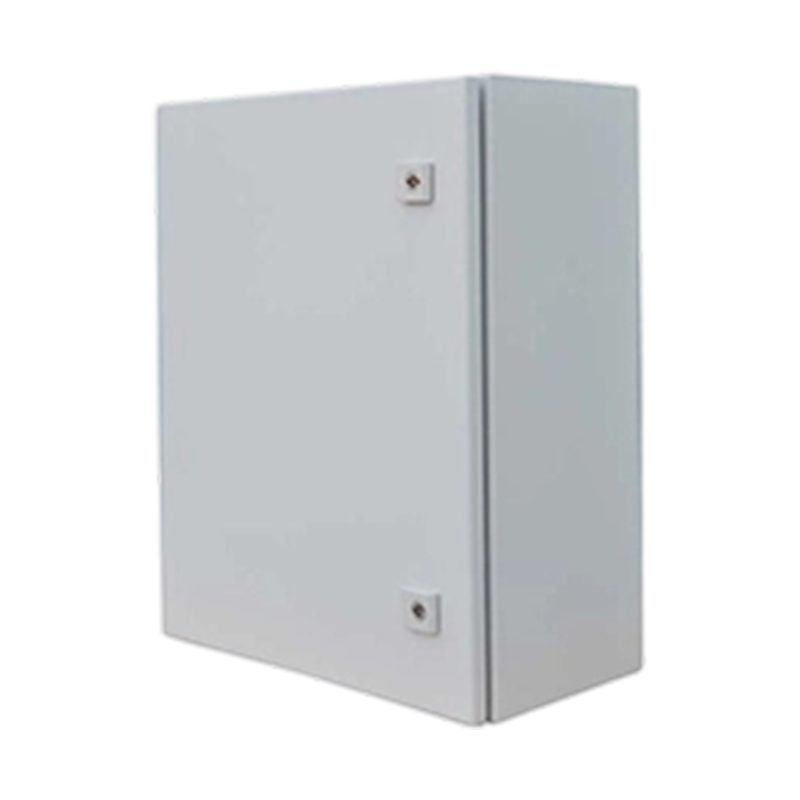
A large sheet metal enclosure is a fabricated steel, stainless, or aluminum housing built to protect electrical and mechanical components from impact, dust, moisture, and heat inside industrial equipment. The right enclosure design decides whether a control system survives a decade on a factory floor or fails within a season outdoors.
4common metals used in fabrication
IP/NEMAprotection ratings define real-world durability
100%customizable dimensions and mounting layout
What a Sheet Metal Enclosure Is Built to Do
Beyond simply covering equipment, a large sheet metal enclosure is engineered to carry structural load, block dust and water ingress, shield against electromagnetic interference, and give technicians safe, organized access for maintenance. Every one of those jobs is decided by material choice, thickness, and panel design before the enclosure is ever welded.
Four Characteristics That Determine Enclosure Quality
Structural strength
Rigid metal construction resists impact and keeps mounted components from shifting under vibration.
Customizable design
Dimensions, door style, panel layout, and cable entry can be built around the exact equipment inside.
Environmental protection
IP or NEMA-rated sealing keeps out dust, moisture, and corrosive conditions in outdoor installs.
Maintenance access
Hinged doors and removable panels cut inspection time without weakening the housing.
Large Sheet Metal Enclosures vs Plastic Enclosures
| Feature |
Sheet Metal Enclosure |
Plastic Enclosure |
| Mechanical strength |
High impact resistance |
Lower impact resistance |
| Temperature resistance |
Excellent |
Limited by material |
| EMI shielding |
Strong with proper grounding |
Needs added shielding |
| Best fit |
Heavy industrial equipment |
Lightweight electronics |
Key Point
EMI shielding and corrosion resistance are properties of the fabrication, not the raw metal alone, which is why weld quality and coating process matter as much as choosing steel over aluminum.
How Enclosures Are Fabricated
| Manufacturing Step |
Purpose |
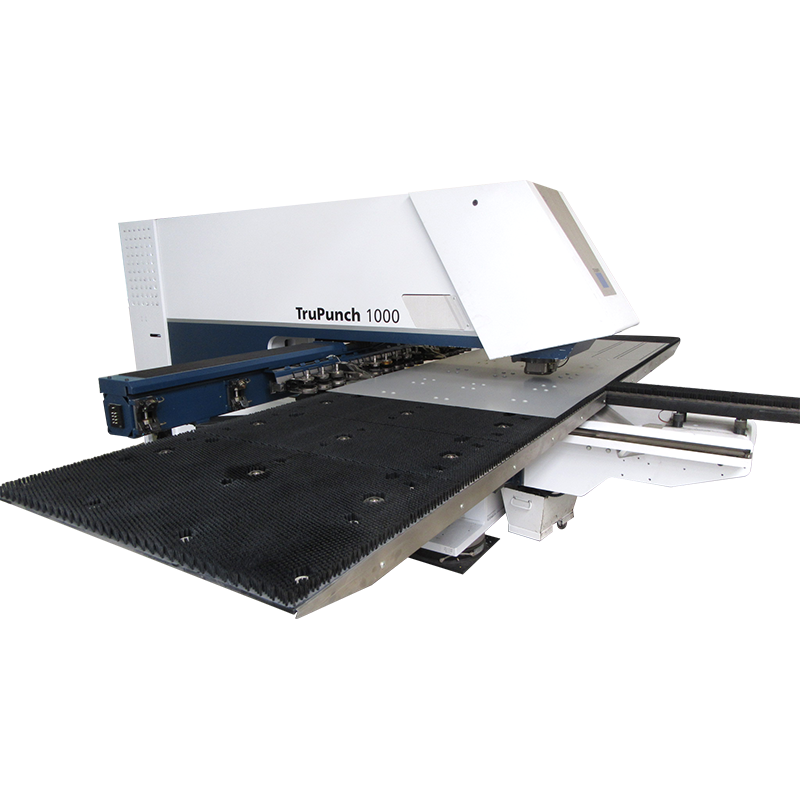
| Laser cutting or CNC punching |
Produce accurate panel shapes from sheet stock |
| CNC bending and forming |
Shape flat panels into the enclosure structure |
| TIG, MIG, or spot welding |
Join panels into a rigid, sealed structure |
| Powder coating or galvanizing |
Add corrosion resistance and a durable finish |
What to Confirm With a Manufacturer
Fabrication experience with laser cutting, CNC bending, and welding at the enclosure size you need.
Documented IP or NEMA rating testing, not just a stated rating on the spec sheet.
OEM customization for mounting layout, cable entry, and surface coating.
Quality control records covering weld inspection and dimensional accuracy.
Frequently Asked Questions
Does a higher IP rating always mean a better enclosure?
Only relative to the environment it will actually operate in, since an enclosure over-rated for a dry indoor location just adds unnecessary cost.
Is stainless steel always the right choice outdoors?
Stainless steel resists corrosion well, but galvanized steel or coated aluminum can perform adequately outdoors at a lower cost depending on the climate and exposure.
How does welding quality affect EMI shielding?
Gaps or inconsistent welds break the continuous conductive path an enclosure needs for effective electromagnetic shielding, regardless of the metal used.
Can an existing enclosure design be resized for a new project?
Yes, most fabricators can adapt an existing panel design to new dimensions faster than starting from a blank design, which shortens lead time for OEM orders.


 English
 русский
 Español
 中文简体
中文简体