Industry Standards and Technical Insights for Stainless Steel Visual Outdoor Control Cabinets
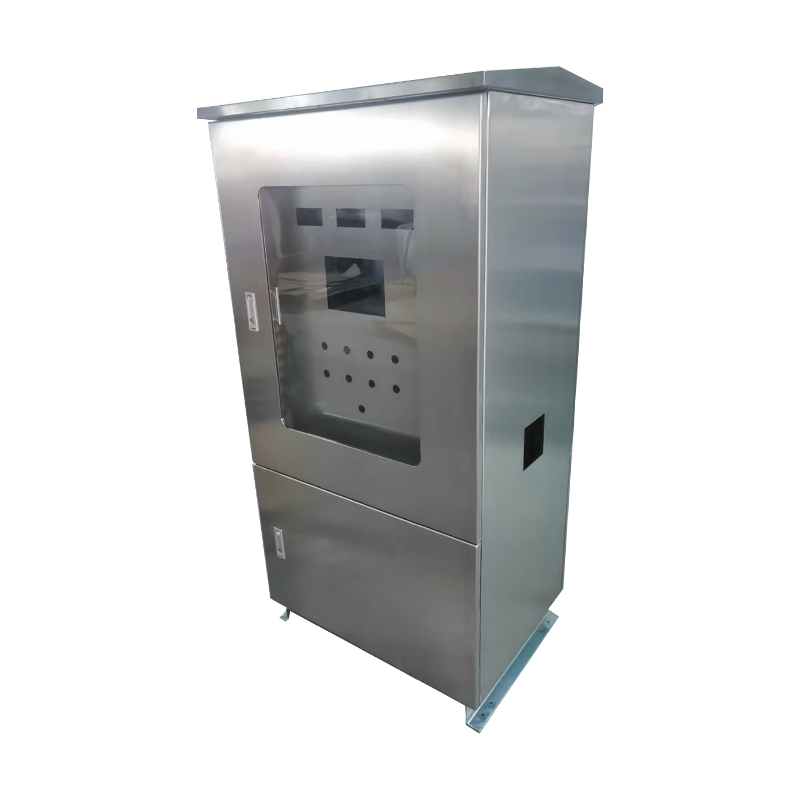
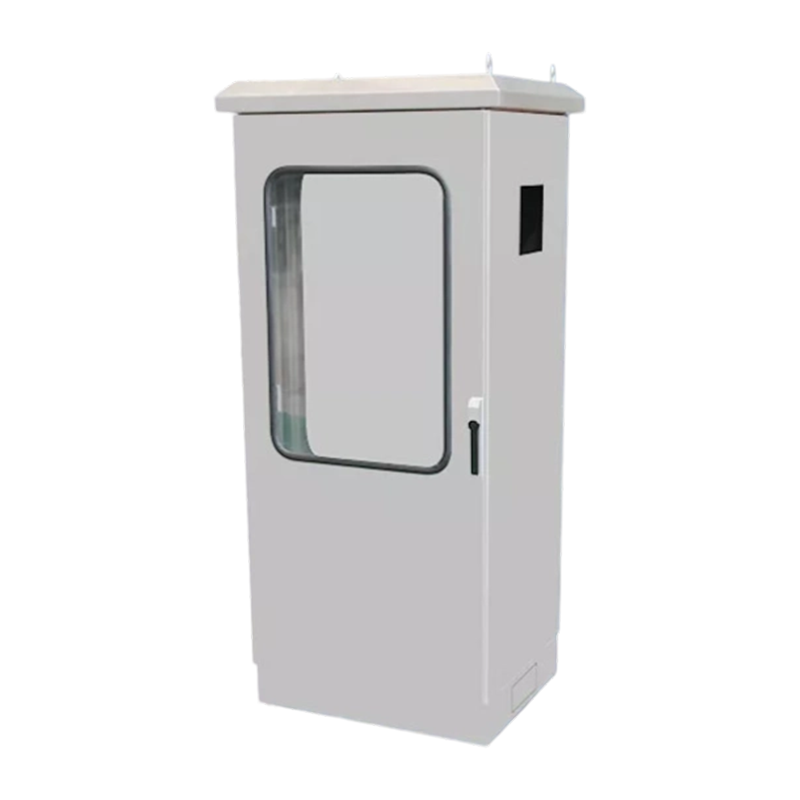
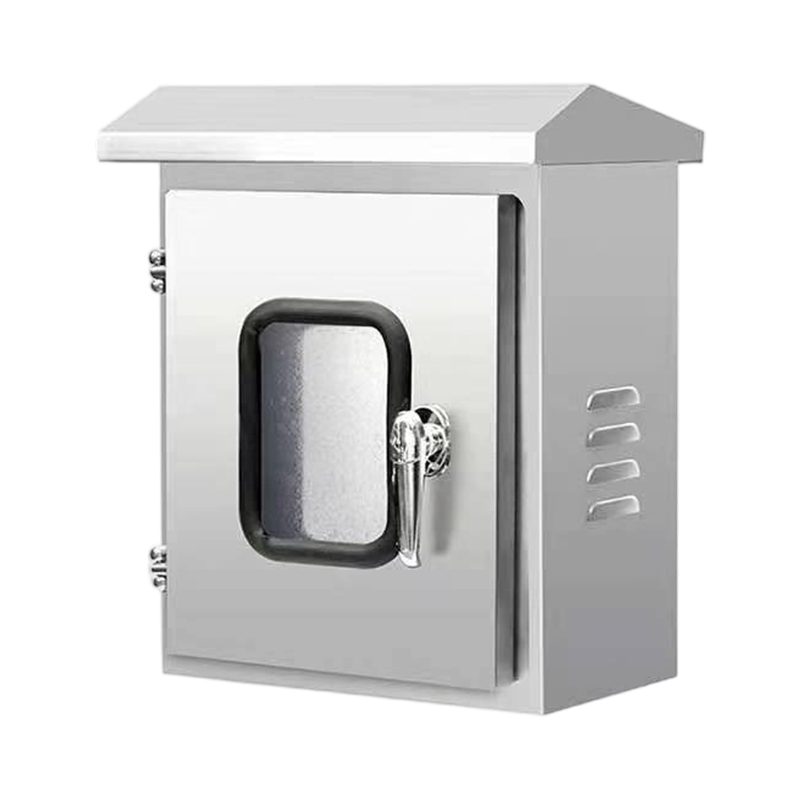
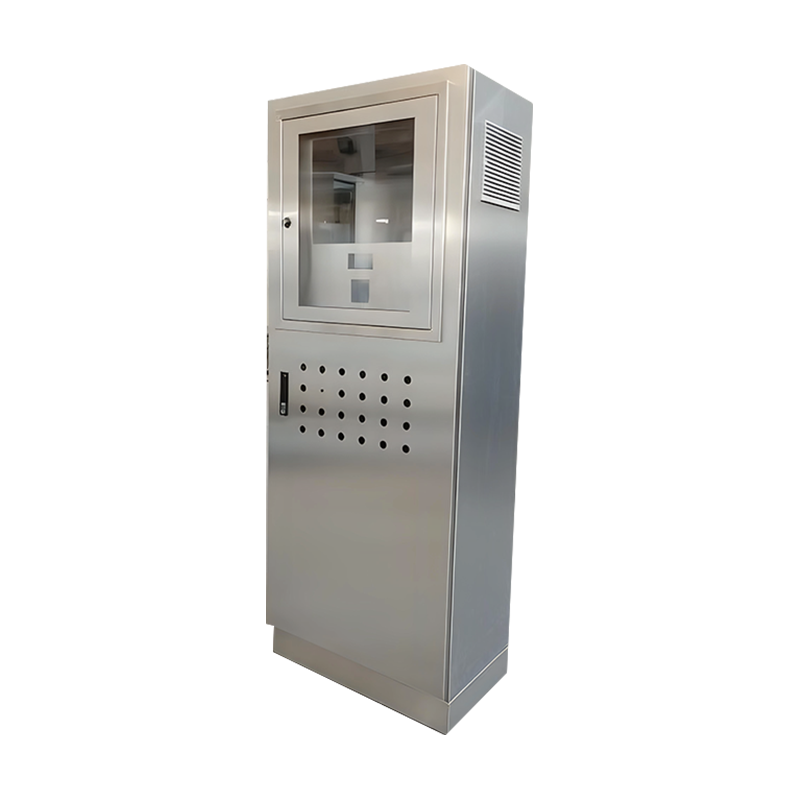
In the realm of industrial infrastructure, the Stainless steel visual outdoor control cabinet serves as a critical safeguard for sensitive electronic components, combining robust environmental protection with operational visibility. These specialized enclosures are engineered to withstand harsh external elements while allowing for real-time monitoring of internal systems without compromising security. As industries increasingly demand higher durability and monitoring capabilities, understanding the construction, material specifications, and customization processes of these cabinets becomes essential for engineers and procurement specialists.
1. Protection Ratings and Sealing Technology Standards
Outdoor control cabinets are constantly exposed to rain, dust, and extreme temperatures. Therefore, the Ingress Protection (IP) rating is a primary design criterion. Industry standards typically mandate a minimum of IP55 for general outdoor use, with IP65 being the preference for environments with heavy water spray. Achieving these ratings requires precise engineering, not just in material selection, but in the deployment of advanced sealing systems such as EPDM foam gaskets, waterproof breathable valves, and rain-proof canopies.
Protection and Sealing Parameters
| Parameter |
Specification |
| Protection Rating |
IP55 (Water jets) or IP65 (Low-pressure water jets) |
| Sealing Material |
EPDM Rubber or Foam Silicone |
| Enclosure Thickness |
1.5mm - 2.0mm (Depending on dimensions) |
| Operating Temperature |
-30°C to +70°C |
Wuxi Runjiu Tian Machinery Co., Ltd. leverages its integrated design and production capabilities to manufacture high and low voltage control cabinets that meet these rigorous standards. Utilizing CNC bending machines and laser cutting equipment, the company ensures that door frames and cabinet bodies fit with micron-level precision. This adherence to "Quality First" guarantees that every stainless steel outdoor control cabinet provides a robust seal against the elements, ensuring the reliability of the internal electrical systems.
2. Material Selection: The Role of 304 Stainless Steel in Corrosion Resistance
The choice of material is paramount for outdoor longevity. Stainless steel is preferred for its ability to form a passive oxide layer that prevents rust. For standard industrial environments, 304 stainless steel (SUS304) offers an optimal balance of cost and corrosion resistance. In coastal or high-chloride environments, 316L is often specified. Surface treatments such as polishing or passivation further enhance this natural resistance.
Corrosion Resistance Specifications
| Material Grade |
SUS304 / 304L or SUS316L |
| Surface Finish |
Chemical Polishing, Wire Drawing, or Electropolishing |
| Chemical Composition |
Ni ≥ 8%, Cr ≥ 18% (Grade 304) |
| Salt Spray Test |
≥ 48 hours (No visible rust spots) |
Located in Yuqi Ancient Town, Wuxi, Wuxi Runjiu Tian Machinery Co., Ltd. has specialized in sheet metal processing since 2011. The company uses high-precision laser cutting machines to process stainless steel sheets, avoiding thermal deformation that can compromise corrosion resistance. By strictly adhering to the business philosophy of "Integrity First," the company ensures that all raw materials meet environmental and durability standards, delivering outdoor cabinets that maintain structural integrity over years of exposure.
3. Visual Windows: Material Selection and Optical Performance
The defining feature of a visual control cabinet is the inspection window. This component must provide clear visibility while resisting impact and environmental stress. While tempered glass is the traditional choice for its hardness, Polycarbonate (PC) sheets are increasingly popular for their exceptional impact strength and lightweight properties. Additionally, to prevent condensation from obstructing the view, these windows often feature anti-fog coatings or integrated heating elements.
Window Performance Data
| Feature |
Specification |
| Window Material |
4mm - 6mm Tempered Glass or Polycarbonate (PC) |
| Light Transmission |
≥ 90% (Glass) / ≥ 85% (PC) |
| Impact Resistance |
Withstands 2.26kg steel ball drop from 4m (PC) |
| UV Protection |
UV400 Coating (Prevents yellowing) |
Equipped with CNC punching machines and semi-automatic spraying lines, Wuxi Runjiu Tian Machinery Co., Ltd. ensures the precise fabrication of window cutouts. The tight tolerances maintained during the punching process ensure that the window seals fit perfectly, preventing water ingress. This capability reflects the company's commitment to "Service Paramount," providing clients with clear, durable, and safe monitoring interfaces for their critical equipment.
4. Thermal Management and Ventilation Design
Heat dissipation is a critical challenge for outdoor enclosures, especially in direct sunlight. Passive cooling via heat sinks or louvered vents is common, but active cooling using fans or air conditioners is often necessary for high-power loads. The design must balance ventilation needs with the IP rating, ensuring that airflow does not compromise water tightness. Large visual windows can also contribute to internal heat build-up (the greenhouse effect), necessitating careful thermal calculation.
Thermal Management Parameters
| Component |
Standard |
| Cooling Fan |
AC 220V / DC 24V, Airflow 100 - 500 CFM |
| Protection Louvers |
IP54 Rated, with Dust Filter |
| Internal Temp Rise |
≤ 10°C (Under full load) |
Wuxi Runjiu Tian Machinery Co., Ltd. applies expertise gained from the joint development of industrial oil mist purification equipment with BDI to the design of control cabinets. This experience in air dynamics allows the company to optimize ventilation layouts. Using CNC shearing machines, they accurately fabricate vents and heat sink mounting points, creating comprehensive solutions that manage internal temperatures effectively while maintaining the cabinet's environmental protection.
5. Non-Standard Customization and Modular Assembly
Modern industrial projects often require unique solutions due to space constraints or specific equipment configurations. Non-standard customization allows for modifications such as special cutouts for meters, unique door opening directions, or integrated lightning protection modules. The industry trend is shifting toward modular design, where the frame, doors, and roof are fabricated separately and assembled later. This approach maximizes flexibility and production efficiency.
Customization Specifications
| Capability |
Detail |
| Max Custom Size |
Width ≤ 2000mm, Height ≤ 2500mm (Transport limits) |
| Cutting Precision |
±0.5mm (For sealing gasket installation) |
| Assembly Efficiency |
Modular design improves efficiency by >30% |
With fixed assets exceeding 10 million yuan and a facility spanning 8,000 square meters, Wuxi Runjiu Tian Machinery Co., Ltd. is fully equipped to handle complex custom orders. Whether it is a uniquely shaped window or an array of mounting holes, the company's advanced machinery ensures precise execution. By integrating design, production, and service, the company provides a one-stop solution, delivering tailored stainless steel visual outdoor control cabinets that meet the "Developing together with our customers" goal.
FAQ
What is the difference between 304 and 316L stainless steel for outdoor control cabinets?
The primary difference lies in corrosion resistance, specifically against chlorides. 304 stainless steel is the industry standard for most outdoor environments and offers excellent resistance to rain and atmospheric pollution. However, 316L stainless steel contains Molybdenum, which provides superior resistance to pitting and crevice corrosion in marine environments or areas with high salt spray. For coastal installations, Wuxi Runjiu Tian Machinery Co., Ltd. recommends 316L to ensure maximum longevity, while 304 is sufficient for general industrial applications.
How does the "Visual" feature affect the thermal performance of the cabinet?
While visual windows allow for easy monitoring without opening the door, they can act as thermal conduits. Transparent materials like glass or polycarbonate can allow solar radiation to enter the cabinet, potentially raising the internal temperature (greenhouse effect). To mitigate this, manufacturers can use tinted or IR-reflective windows. Additionally, the design must account for heat dissipation, potentially requiring larger vents or forced ventilation (fans) to maintain safe operating temperatures for the internal electronics.
Can a stainless steel outdoor control cabinet be customized for specific equipment layouts?
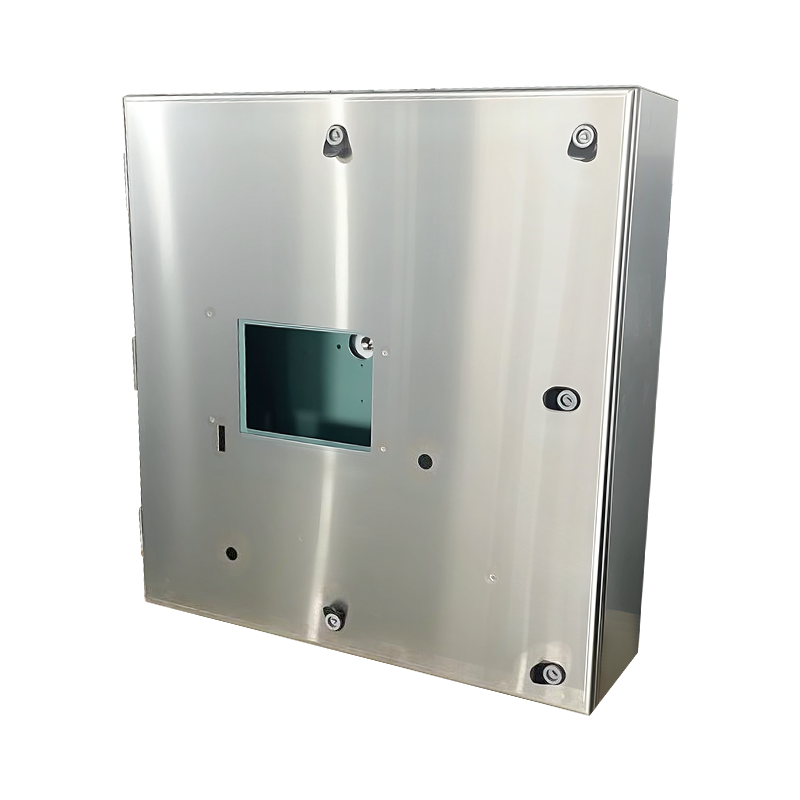
Yes, non-standard customization is a core strength of Wuxi Runjiu Tian Machinery Co., Ltd.. Customization can include modifying the back panel for specific mounting patterns, adding removable plates for cable entry, or adjusting the position and size of the visual window to align with internal displays. Using advanced CNC laser cutting and punching machines, the company can produce bespoke enclosures that perfectly match the client's specific equipment configuration and spatial requirements.
What maintenance is required for the sealing systems of an outdoor cabinet?
To maintain the IP rating over time, periodic inspection of the sealing gaskets is necessary. Although high-quality EPDM or silicone gaskets are durable, UV exposure and temperature cycling can eventually degrade the rubber. It is recommended to inspect the door seals annually and clean the contact surfaces to remove debris that might break the seal. Wuxi Runjiu Tian Machinery Co., Ltd. designs its cabinets with accessible sealing systems to facilitate this maintenance, ensuring the long-term waterproof integrity of the unit.

 English
 русский
 Español
 中文简体
中文简体