Modern manufacturing floors face a constant challenge: protecting sensitive electronic and mechanical equipment while maintaining operational efficiency. The choice between automation enclosures and traditional enclosures is no longer merely about housing components—it directly impacts uptime, maintenance costs, and future scalability.
Traditional enclosures have served factories for decades. Typically made from painted steel or stainless steel, they offer basic protection against dust, moisture, and physical impact. Their design prioritizes ruggedness over accessibility. However, as factories adopt smart manufacturing, traditional enclosures often become bottlenecks.
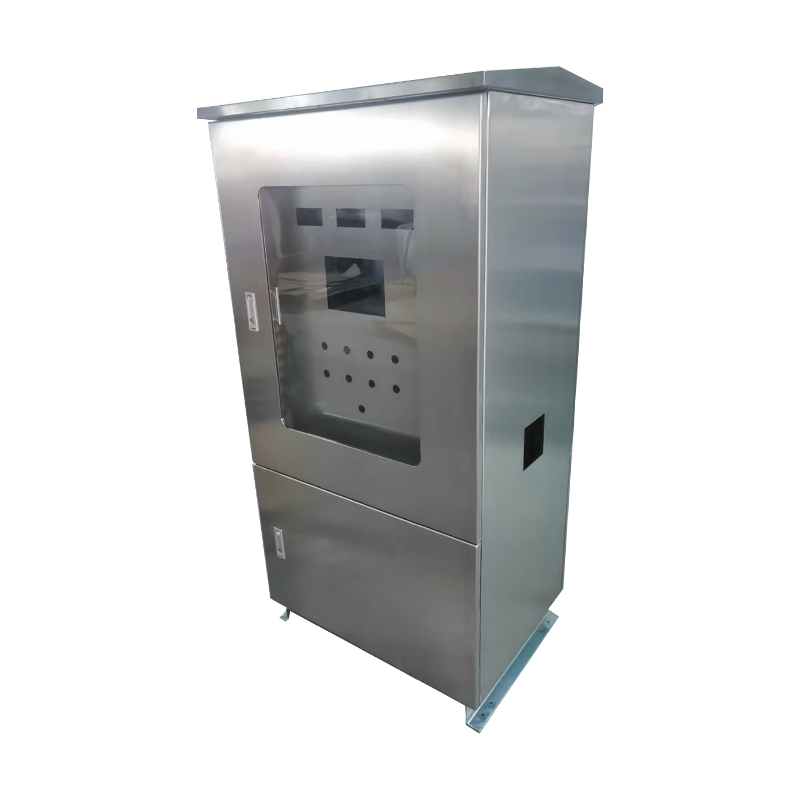
Automation enclosures, including the broader category of industrial automation enclosures, are purpose-built for connected environments. They integrate cable management systems, cooling channels, transparent viewing windows, and modular mounting plates. More importantly, they accommodate sensors, controllers, and communication modules without requiring extensive retrofitting.
The table below summarizes key differentiators:
| Feature | Traditional Enclosures | Automation Enclosures |
|---|---|---|
| Design philosophy | Static protection | Dynamic integration |
| Internal space utilization | Fixed mounting plates | Adjustable rails and DIN mounts |
| Cooling | Passive vents or add-on fans | Engineered airflow + filter fans |
| Cable entry | Basic knockouts | Gland plates + EMI sealing |
| Upgrade flexibility | Low (requires drilling/cutting) | High (modular accessories) |
| Typical lifespan | 15–20 years | 10–15 years (but easier to retrofit) |
One often overlooked factor is heat dissipation. Traditional enclosures rely on natural convection or externally mounted fans. For modern variable frequency drives (VFDs) and programmable logic controllers (PLCs), inadequate cooling reduces lifespan by 30–50%. Automation enclosures incorporate calculated venting, often with replaceable filter mats and integrated circulation fans. Some advanced designs even allow for heat exchanger mounting without voiding the enclosure’s ingress protection rating.
Wuxi Runjiu Tian Machinery Co., Ltd., which also operates as a Wholesale Industrial Automation Enclosures Supplier and China Industrial Electrical Enclosures Company, emphasizes that their high-precision laser cutting machines and CNC bending equipment enable tight tolerances for active cooling components. This precision ensures that fan housings and exhaust louvers align perfectly, preventing air leaks and hotspots.
Factory downtime costs money. Traditional enclosures often require removing entire back panels or wrestling with tangled wire bundles to replace a single component. Automation enclosures feature hinged gland plates, removable side panels, and color-coded wiring ducts. Technicians can access both front and rear of DIN-rail mounted devices without powering down adjacent circuits.
Consider a typical retrofitting scenario: adding three new sensors and a remote I/O module. With a traditional enclosure, the team might spend four hours drilling, tapping, and rerouting cables. With an industrial automation enclosure that has pre-punched knockouts and spare DIN rails, the same job takes 45 minutes.
Factories rarely stay static. Production lines expand, protocols change, and monitoring requirements evolve. Traditional enclosures force a “rip and replace” approach when internal layouts become obsolete. Automation enclosures embrace standardized rail systems (e.g., 35mm top-hat rail) and universal mounting grids. Additional components clip in; cables route through pre-defined channels.
For factories planning gradual digital transformation, automation enclosures offer a migration path. You can install basic power distribution today, then add Ethernet switches, edge gateways, and predictive maintenance sensors next year—all within the same footprint.
Both enclosure types carry IP (Ingress Protection) and NEMA ratings. However, the application of those ratings differs. A traditional IP66 enclosure might keep out high-pressure jets, but its solid door prevents visual inspection. Automation enclosures with IP66 ratings often include tempered glass windows and external status indicators, allowing operators to check LED alarms without unsealing the cabinet.
For harsh environments—foundries, chemical plants, or woodworking facilities—the internal components of industrial automation enclosures are better isolated from vibration and corrosive dust. Seamless gasket designs and stainless steel hardware come standard on quality automation enclosures, whereas traditional units may require expensive retrofits.
The upfront price of automation enclosures is typically 20–40% higher than comparable traditional models. However, total cost of ownership tells a different story. Below is a representative lifecycle comparison over five years:
| Cost Factor | Traditional Enclosure | Automation Enclosure |
|---|---|---|
| Initial purchase | $1,000 | $1,350 |
| Installation labor | $600 | $300 |
| Cooling add-ons | $250 | $0 (integrated) |
| Maintenance access time (annual) | 8 hours | 2 hours |
| Downtime per upgrade (average) | 3 hours | 0.75 hours |
| Estimated 5-year total | $2,450 | $2,050 |
Automation enclosures typically break even in 18–24 months, then deliver ongoing savings through reduced technician hours.
Not every factory needs full-featured automation enclosures. Light assembly operations with stable environments and minimal electronics might still prefer traditional units. Conversely, any facility running real-time data acquisition, robotic work cells, or predictive maintenance systems should standardize on industrial automation enclosures.
High-mix, low-volume manufacturers benefit most. Their frequent changeovers require rapid reconfiguration of control cabinets—exactly where modular automation enclosures excel.
Q: Can I convert my existing traditional enclosures into automation enclosures?
A: Partial conversion is possible by adding DIN rails, new gland plates, and fan kits. However, the lack of pre-engineered cable routing and thermal modeling often makes it less cost-effective than replacing with purpose-built automation enclosures.
Q: Are automation enclosures always made of steel?
A: No. High-quality units use stainless steel, aluminum, or even polycarbonate for specific environments. Wuxi Runjiu Tian Machinery Co., Ltd. produces large equipment housings and high-precision stamped parts in various materials based on application requirements—including industrial oil mist purification equipment jointly developed with BDI, which has received positive feedback for its robust enclosure design.
Q: Do automation enclosures require special training for maintenance staff?
A: Minimal. The design philosophy prioritizes intuitive access: color-coded wiring, clearly marked grounding points, and tool-less entry for filters. Most electricians adapt within one hour of hands-on use.
Q: How do I select the right ingress protection (IP) rating?
A: Assess your environment. IP54 suffices for dry indoor assembly lines. IP65 or IP66 is needed for washdown areas. IP67 allows temporary immersion—rarely required for factory floors.
Q: What role do suppliers like Wuxi Runjiu Tian Machinery Co., Ltd. play in enclosure performance?
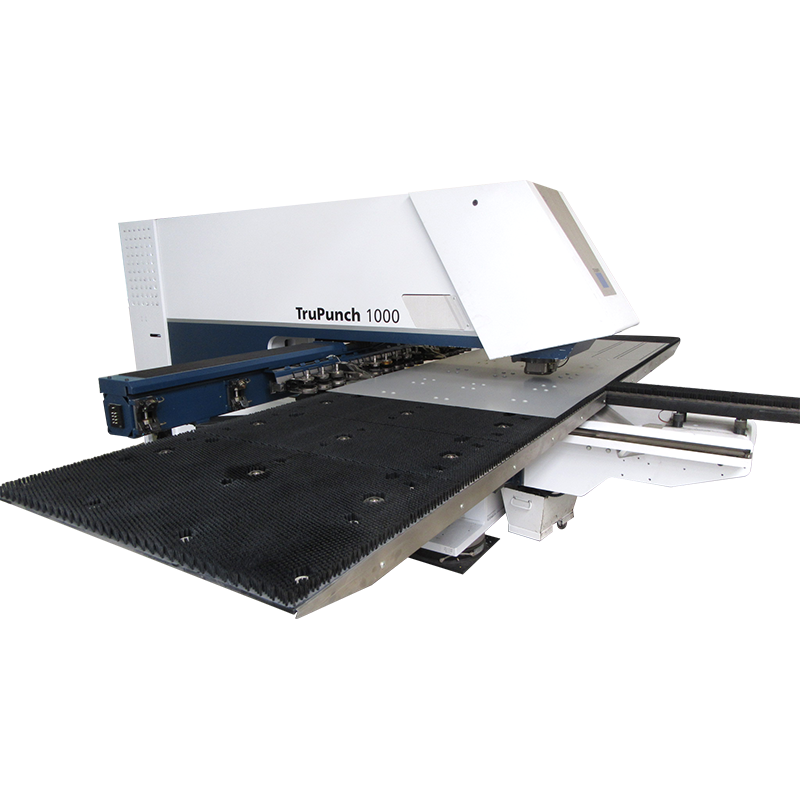
A: Reputable suppliers ensure precision fabrication. The company possesses a series of production equipment, including high-precision laser cutting machines, CNC punching machines, CNC bending machines, CNC shearing machines, and semi-automatic spraying lines. This equipment ensures consistent fit, finish, and sealing—directly impacting the enclosure’s real-world protection level.
To decide which enclosure type suits your factory, answer three questions:
Will your control system undergo changes in the next 24 months?
Yes → Automation enclosures. No → Traditional may suffice.
Do you monitor real-time data from inside the enclosure (temperature, humidity, vibration)?
Yes → Industrial automation enclosures with integrated sensor mounting. No → Traditional possible but less future-proof.
Neither enclosure type is universally “better.” Traditional enclosures still serve low-tech, static applications reliably. However, for factories embracing operational efficiency, remote monitoring, and lean maintenance, automation enclosures and industrial automation enclosures are the clear choice. Their higher initial investment pays back through reduced labor, faster upgrades, and longer component life.
Content
The variety of models, to meet the development needs of various regions in the world.
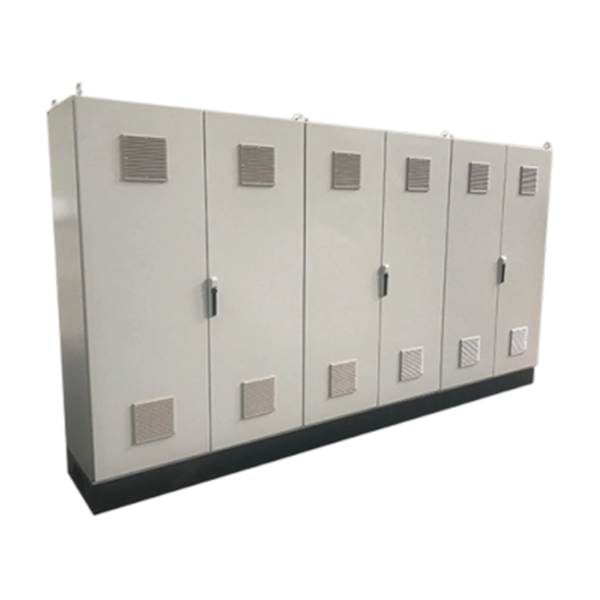
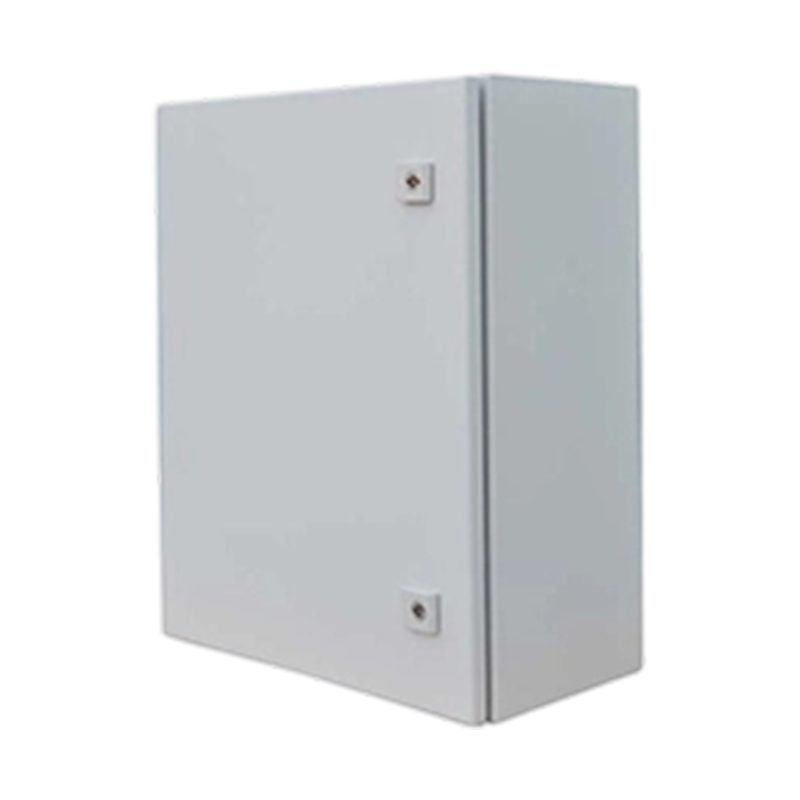
Carbon steel spray-coated AE electrical box
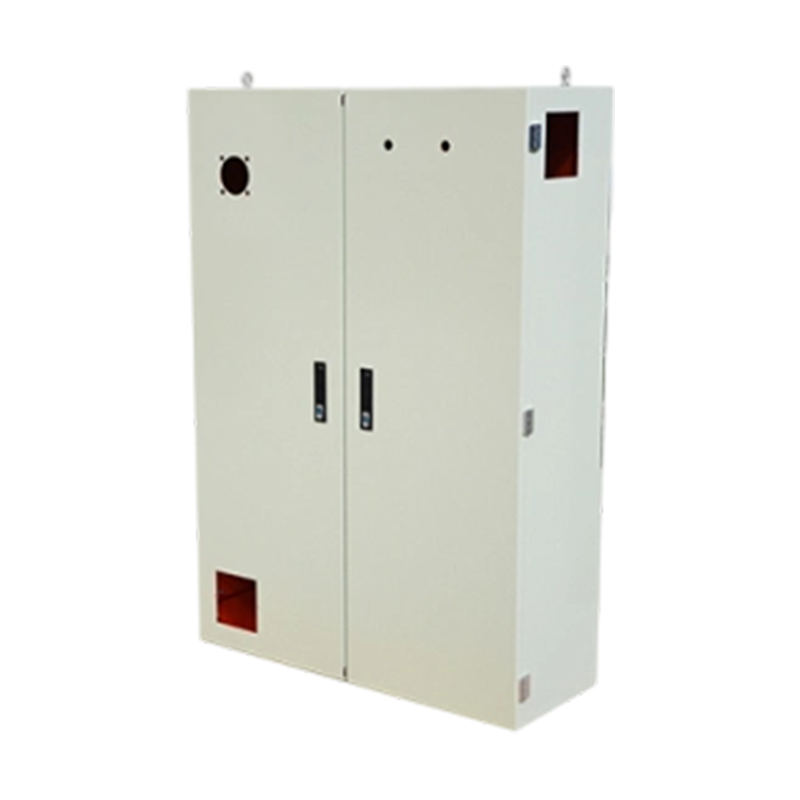
Non-standard carbon steel spray-coated custom cabinet
Non-standard customized mobile control panel
Phone:+86-15896481972(zhuxiaosui)
Fax: +86-0510-83890571
E-Mail: [email protected]
ADD:No. 2 Qida Road, No. 1 Shunqi Road, Yuqi Street, Huishan District, Wuxi City, Jiangsu Province, China

 English
 русский
 Español
 中文简体
中文简体