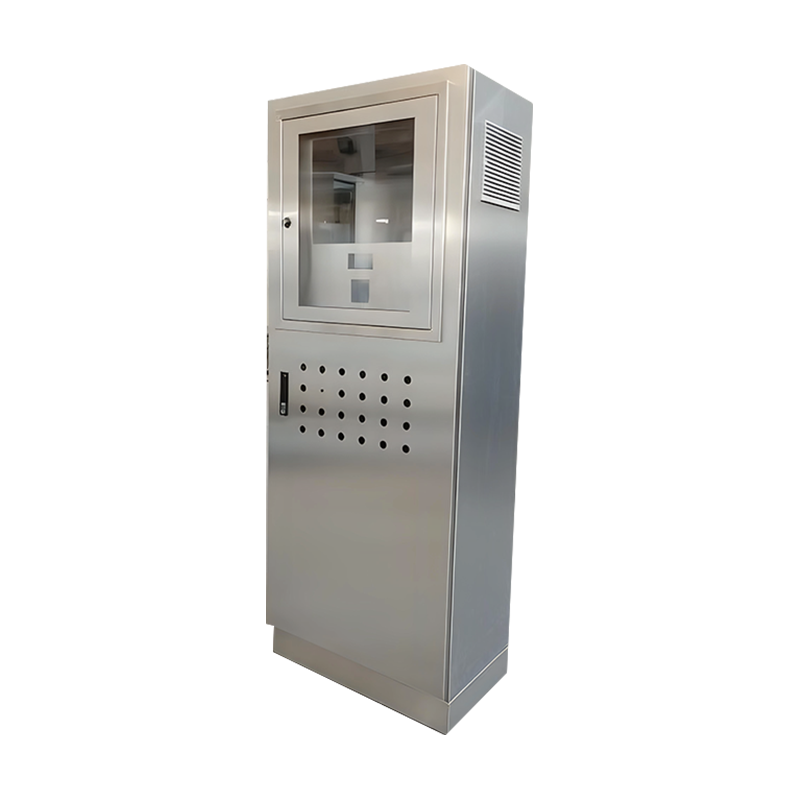
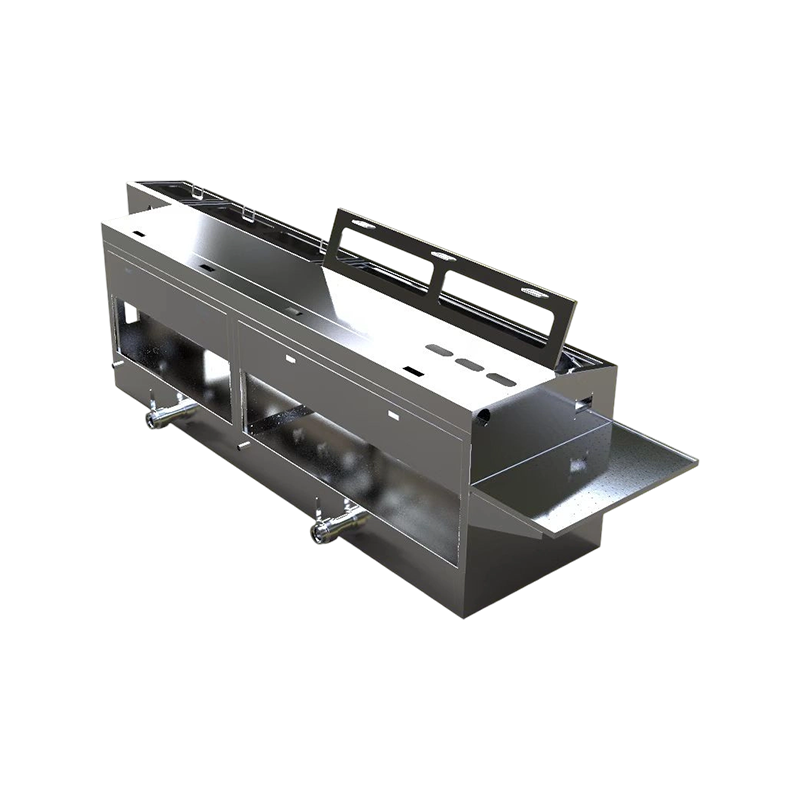
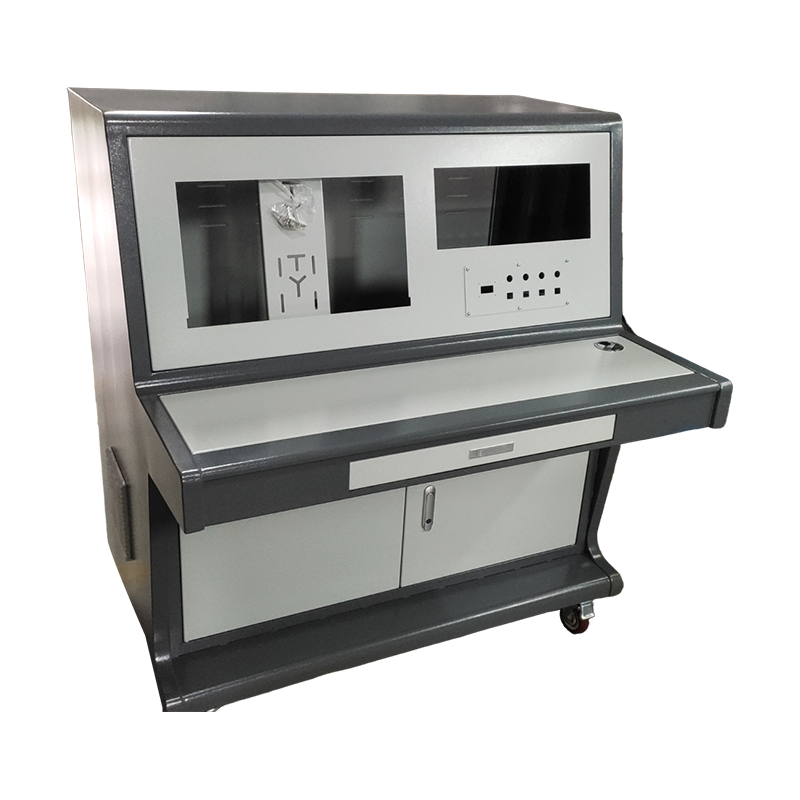
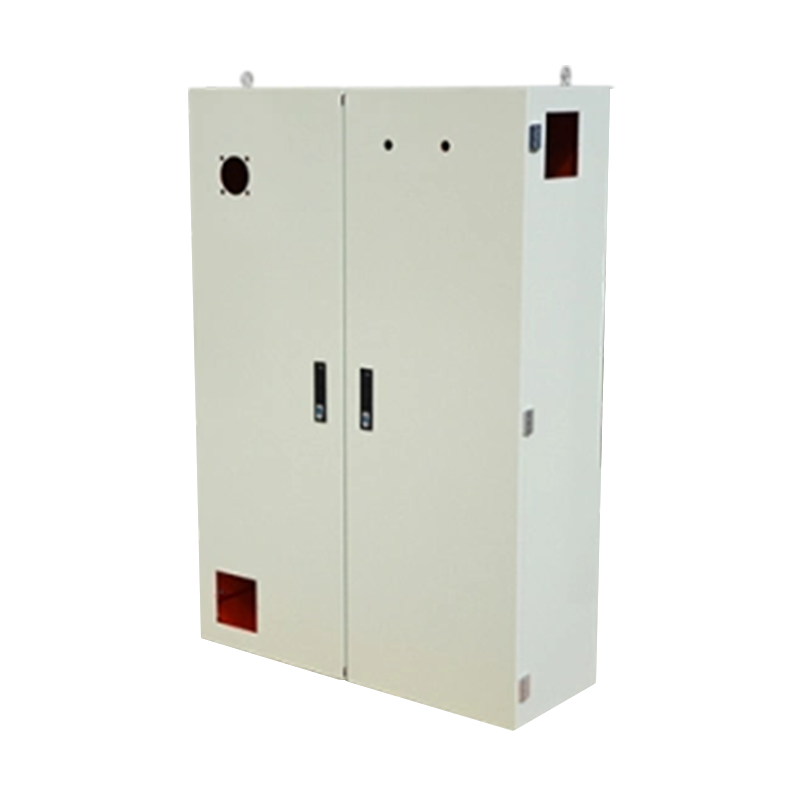
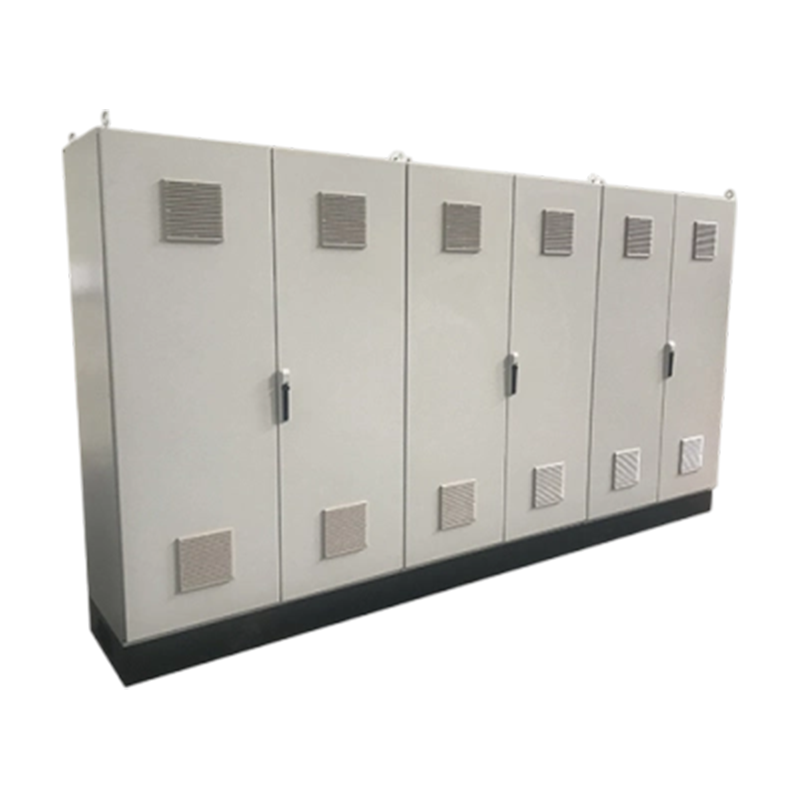
In the world of modern manufacturing, the seamless operation of sensitive electronic controls is paramount. Protecting these critical components from harsh environmental factors is the primary role of industrial automation enclosures. More than just metal boxes, these enclosures are engineered solutions that ensure reliability, safety, and longevity for automation systems. As a manufacturer with over a decade of experience in precision sheet metal fabrication, Wuxi Runjiu Tian Machinery Co., Ltd. understands that the correct enclosure is foundational to system integrity. This guide delves into the key considerations for selecting, designing, and maintaining these vital assets.
Why the Right Industrial Automation Enclosure Matters
An enclosure does far more than house equipment. It acts as the first line of defense, directly impacting uptime, maintenance costs, and operational safety. A poorly chosen enclosure can lead to catastrophic failures, including short circuits, overheating, and premature component degradation [1]. Conversely, a well-specified enclosure provides:
- Environmental Protection: Shielding from dust, water, oils, and chemical contaminants.
- Thermal Management: Dissipating heat generated by internal components to prevent overheating.
- Physical Security: Preventing unauthorized access and protecting against impact or vandalism.
- Electromagnetic Compatibility (EMC): Containing electromagnetic interference to ensure control signals are not disrupted.
The investment in a properly rated and constructed enclosure is a direct investment in the resilience of your entire automated process.
Key Factors in Selecting Your Enclosure
Choosing an enclosure is a multi-faceted decision. It requires balancing environmental needs, material properties, and industry-specific standards.
Understanding IP and NEMA Ratings
Ingress Protection (IP) and National Electrical Manufacturers Association (NEMA) ratings are universal codes that define an enclosure's level of protection against solids and liquids. Selecting the correct rating is non-negotiable for system safety.
For instance, an enclosure rated for dustproof and waterproof control cabinets would typically require a high IP rating like IP65 or IP66. Understanding the difference between these standards is crucial for global projects.
The following table clarifies the protection levels offered by common IP and NEMA ratings:
| Standard & Rating |
Protection Against Solids (First Digit) |
Protection Against Liquids (Second Digit) |
Typical Application |
| IP54 |
Dust protected (limited ingress) |
Splashing water from any direction |
Indoor areas with light dust and moisture |
| IP65 |
Dust tight |
Low-pressure water jets |
Washdown areas, food & beverage |
| NEMA 4X |
Windblown dust, falling dirt |
Hose-directed water, corrosion resistance |
Outdoor or corrosive industrial environments |
| NEMA 12 |
Dust, lint, fibers |
Dripping and light splashing of non-corrosive liquids |
Indoor industrial machinery |
Material Selection: From Steel to Stainless
The enclosure material determines its durability, weight, corrosion resistance, and cost. The choice often hinges on the operating environment.
- Carbon Steel (Mild Steel): Most common; offers excellent strength and magnetic properties for EMF shielding; requires painting or powder coating for corrosion resistance.
- Stainless Steel (e.g., 304, 316): Superior corrosion and chemical resistance; ideal for harsh environments like chemical plants, marine applications, and food processing. It is often the material of choice for stainless steel NEMA 4X enclosures.
- Aluminum: Lightweight, naturally corrosion-resistant, and provides good thermal conductivity for heat dissipation; common in electronics and transportation.
- Polycarbonate/Plastic: Excellent electrical insulation, lightweight, and corrosion-proof; used where visibility of internal components is needed or in less demanding physical environments.
Thermal Management Solutions
Heat is the enemy of electronics. As control panels become more densely packed, effective thermal management extends component life. Options range from passive to active cooling. For a standard electrical panel, natural convection through vents might suffice. However, for a high-density PLC control panel enclosure packed with drives and processors, active cooling is often essential.
The table below compares common thermal management strategies:
| Cooling Method |
Principle |
Pros |
Cons |
| Natural Convection (Vents) |
Heat rises and escapes through vents |
Zero energy cost, simple, reliable |
Low heat dissipation; allows dust/contaminants in |
| Forced Air (Fans/Fan Systems) |
Fans circulate air inside the enclosure |
Good cooling capacity, cost-effective |
Can introduce contaminants; filters require maintenance |
| Air-to-Air Heat Exchangers |
Internal and external air circuits exchange heat without mixing |
Sealed, no contaminant ingress, good for moderate heat loads |
Higher initial cost, limited cooling capacity |
| Air Conditioning (Enclosure Coolers) |
Refrigerant-based cooling provides precise temperature control |
High cooling capacity, dehumidifies internal air |
Highest cost, requires more energy and maintenance |
Customization and Advanced Applications
Off-the-shelf enclosures cannot meet every challenge. Custom-designed solutions are necessary for specialized applications, integrating specific functionality from the ground up.
The Case for Custom Enclosures
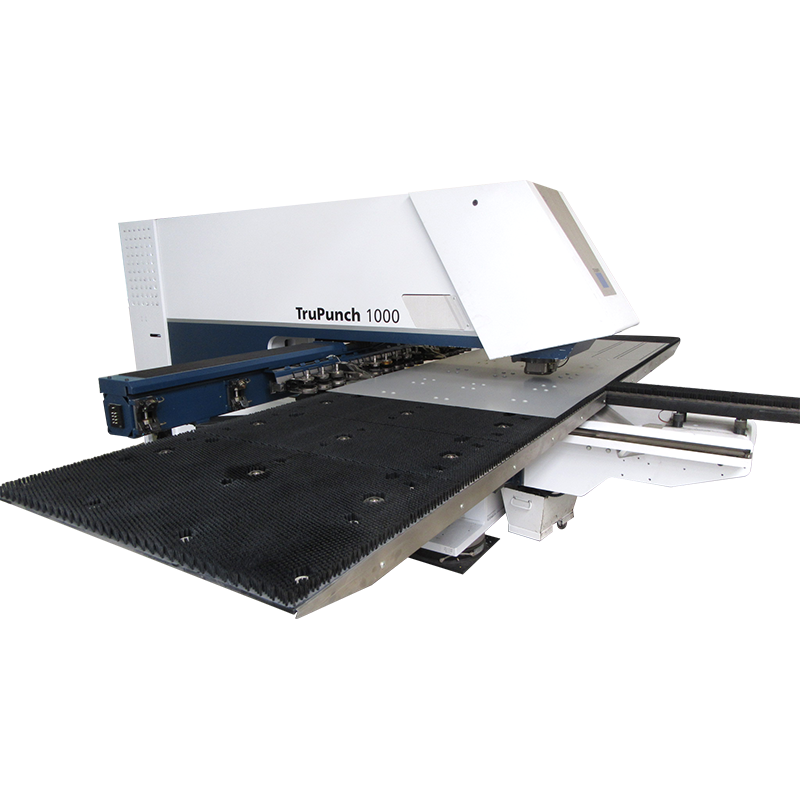
When standard sizes or configurations fall short, custom fabrication becomes essential. This is where expertise in mechanical sheet metal processing, like that at Wuxi Runjiu Tian Machinery Co., Ltd., proves invaluable. Customization addresses:
- Unique Space Constraints: Fitting enclosures into existing machinery layouts or irregular spaces.
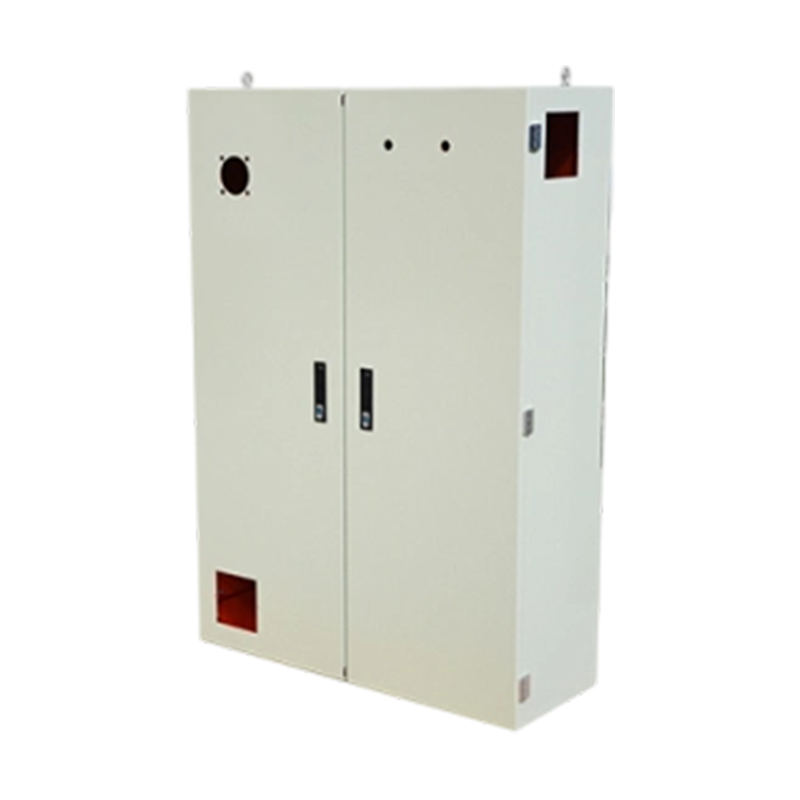
- Integrated Functionality: Building in mounting plates, ducting, windows, or specialized cutouts directly into the design.
- Optimized Material Use: Selecting and treating materials for unique environmental challenges, such as extreme temperatures or corrosive fumes.
For example, our collaboration on industrial oil mist purification equipment required enclosures that could house sensitive filters and electronics while resisting oily aerosols—a perfect case for a tailored solution.
Enclosures for Robotic Work Cells
The rise of industrial robotics demands specialized protective housing. Safety enclosures for industrial robots serve a dual purpose: protecting the robot from the environment and, more critically, safeguarding personnel from the robot's high-speed movements. These enclosures often feature:
- Robust framing and polycarbonate viewing windows for monitoring.
- Interlocked safety access doors that trigger an emergency stop when opened.
- Cable management systems for constant flexing and movement.
- Integration of light curtains or safety scanners for advanced perimeter guarding.
The design prioritizes both operator safety and uninterrupted productivity.
HVAC Control System Integration
Modern building management relies on sophisticated controls housed in dedicated panels. An HVAC control panel enclosure must manage unique challenges:
- Condensation Control: Temperature differentials can cause internal condensation, risking electrical failure. Heater strips or controlled ventilation are often integrated.
- Wire Management: Accommodating a high density of low-voltage sensor and communication wires alongside power cables requires meticulous planning for terminals and routing.
- Accessibility: Technicians need frequent access for calibration, so well-designed doors, hinged mounting plates, and clear labeling are essential.
A well-executed HVAC enclosure ensures the reliability of the climate control systems for large facilities.
Future-Proofing and Maintenance
An enclosure is a long-term asset. Planning for future modifications and implementing a proactive maintenance regime maximizes its value.
Designing for Scalability and Access
A forward-thinking design incorporates spare space (typically 20-25%) for additional components, extra wiring ducts, and modular internal panels that can be reconfigured. Features like fully removable side panels or multi-door designs simplify future upgrades and service.
Essential Maintenance Practices
Regular maintenance prevents small issues from becoming major failures. A checklist includes:
- Visual Inspection: Check for signs of corrosion, physical damage, or degraded seals.
- Seal Integrity: Ensure door gaskets are pliable and undamaged to maintain the IP/NEMA rating.
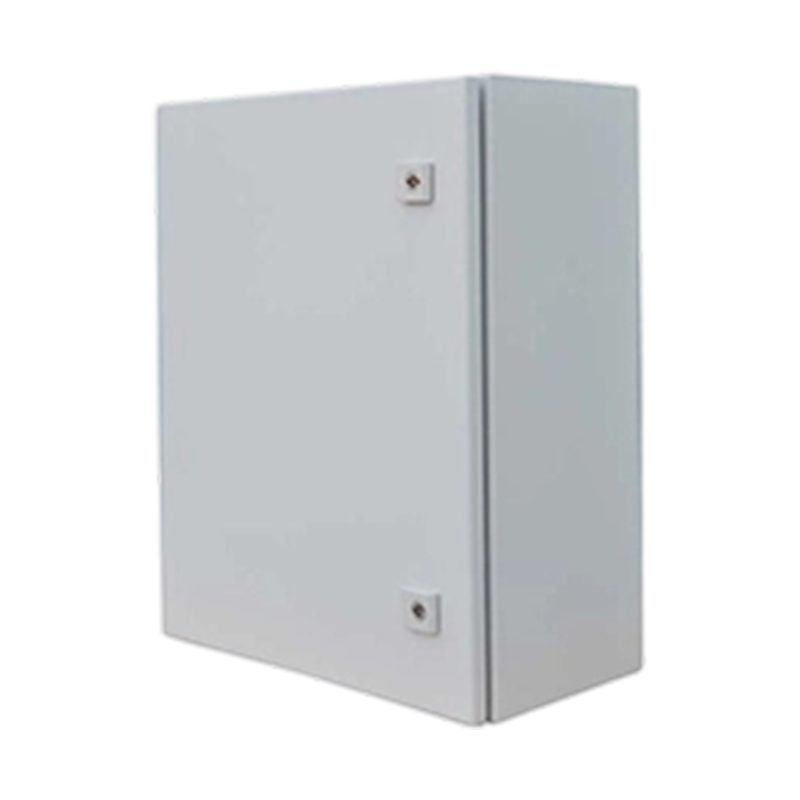
- Cleanliness: Keep vents, fan filters, and heat exchanger fins clean to maintain thermal performance. This is particularly important for outdoor-rated electrical enclosures exposed to weather and debris.
- Terminal Check: Periodically verify that power terminals are tight to prevent overheating connections[3].
Conclusion
Selecting the right industrial automation enclosure is a critical engineering decision that influences system performance, safety, and total cost of ownership. It requires careful consideration of environmental ratings, materials, thermal management, and often, custom design to meet specific application needs. From ensuring a PLC control panel enclosure remains cool and clean, to fabricating durable stainless steel NEMA 4X enclosures for corrosive areas, the details matter. As automation evolves, so do enclosure solutions, integrating smarter cooling, enhanced safety features, and more robust designs for challenging environments like those requiring safety enclosures for industrial robots or dustproof and waterproof control cabinets.
With a foundation built on precision manufacturing and a commitment to the business philosophy of "integrity first, quality first, and service paramount," Wuxi Runjiu Tian Machinery Co., Ltd. is positioned to partner with industries in developing enclosure solutions that are not merely protective boxes, but engineered components vital to automation success.
Frequently Asked Questions (FAQ)
1. What is the difference between an IP rating and a NEMA rating?
IP (Ingress Protection) is an international standard (IEC 60529) that specifically rates protection against solids and liquids using a two-digit code. NEMA ratings are North American standards that encompass similar protections but also include additional factors like corrosion resistance, gasket aging, and construction practices[2]. While they often overlap (e.g., NEMA 4X is similar to IP66), they are not directly equivalent and should be selected based on the project's geographical and specification requirements.
2. How do I know if my enclosure needs active cooling like a fan or air conditioner?
You need to calculate the internal heat load (sum of heat dissipation from all internal components) and compare it to the enclosure's natural heat dissipation capacity, which depends on surface area, material, and ambient temperature. As a rule of thumb, if the internal temperature is expected to rise more than 10-15°C above ambient, or if components have strict maximum operating temperatures, active cooling is likely necessary. For complex panels, thermal management software or consultant advice is recommended.
3. When should I choose a stainless steel enclosure over a painted carbon steel one?
Choose stainless steel when the environment is highly corrosive. This includes areas with constant exposure to saltwater, chemicals, acidic or alkaline vapors, frequent washdowns with aggressive cleaners (e.g., food, pharmaceutical, chemical plants), or high-humidity outdoor locations. Painted carbon steel is cost-effective for general indoor industrial use where corrosion is primarily from atmospheric moisture.
4. Can I modify a standard off-the-shelf enclosure myself?
Minor modifications like adding small knockouts can be done carefully. However, significant cutting, welding, or drilling can void the enclosure's UL/NEMA rating, compromise its structural integrity, and invalidate the manufacturer's warranty. For any major modifications, it is safer and more reliable to order a custom enclosure from the fabricator with the required features built-in.
5. What are the key maintenance tasks for an outdoor electrical enclosure?
For outdoor-rated electrical enclosures, key tasks include: regularly inspecting and cleaning the external surface to prevent debris accumulation; checking door seals and gaskets for weathering or cracks to maintain watertight integrity; ensuring drainage plugs (if present) are clear; and verifying that any cooling unit filters or vents are unobstructed. An annual detailed inspection is advisable.
References
[1] International Electrotechnical Commission (IEC). *IEC 60529: Degrees of protection provided by enclosures (IP Code)*. Geneva: IEC, 2013.
[2] National Electrical Manufacturers Association (NEMA). *NEMA 250-2014: Enclosures for Electrical Equipment*. Rosslyn, VA: NEMA, 2014.
[3] UL LLC. *UL 508A: Standard for Industrial Control Panels*. Northbrook, IL: UL, 2018.


 English
 русский
 Español
 中文简体
中文简体