When outfitting your industrial workspace, a stainless steel worktable is an essential piece of equipment that can enhance both functionality and efficiency. Whether you’re setting up a laboratory, kitchen, or factory floor, selecting the right stainless steel worktable is crucial for ensuring durability, hygiene, and ease of use.
The most important feature of a stainless steel worktable is the material used in its construction. Stainless steel is known for its corrosion resistance, strength, and ability to withstand harsh environments. However, not all stainless steel is created equal. The two most common types of stainless steel used in worktables are 304 stainless steel and 316 stainless steel.
A high-quality stainless steel worktable should also feature welded joints for added durability and to prevent the seams from corroding or weakening over time.
Worktables come in a variety of sizes and weight capacities, so it is important to choose one that matches the scale and requirements of your workspace. Consider the following factors when evaluating dimensions and load capacity:
You can typically find stainless steel worktables with adjustable height features, which are essential for ergonomic comfort, especially in environments where workers stand for long periods.
Since stainless steel is often used in environments requiring high hygiene standards, the finish and cleanability of the surface are key features to consider. Stainless steel worktables are usually available in several types of surface finishes:
Regardless of the finish, the table should be easy to wipe down and clean. This is particularly important in food production or medical environments where hygiene is a priority.
The legs of the worktable play a significant role in its stability and ease of use. Look for tables with adjustable legs, especially if the floor surface is uneven. Some worktables come with caster wheels for mobility, which is essential for flexible workspace setups.
Additionally, leveling feet are crucial for ensuring that the table remains stable, especially when performing precision tasks. Tables used in laboratories or food preparation areas should have anti-slip feet to prevent any movement during use.
While many stainless steel worktables are sold as standard models, some manufacturers offer customization options. Customization can be beneficial for businesses with unique requirements. Features to look for include:
Wuxi Runjiu Tian Machinery Co., Ltd. can design custom stainless steel workbenches to meet specific requirements—such as integrating specialized storage solutions or tailoring dimensions to fit unique workspaces.
In industrial environments, stainless steel worktables are subjected to chemicals, oils, and moisture, which can lead to rust and degradation if the material is not up to the task. Look for tables that are corrosion-resistant and require minimal maintenance.
Wuxi Runjiu Tian Machinery Co., Ltd., a leading supplier and manufacturer of stainless steel products, ensures that all of their worktables are made from high-quality stainless steel, designed to withstand demanding environments. Their worktables undergo rigorous testing to ensure they meet international durability standards.
Ensure that the stainless steel worktable you choose meets relevant industry standards. For example, in food processing environments, tables should comply with FDA regulations for food-safe materials. In healthcare settings, OSHA standards for workplace safety and ergonomics should be followed.
Choosing the right stainless steel worktable requires careful consideration of several factors, including material quality, size, weight capacity, surface finish, and customization options. A high-quality stainless steel worktable should be durable, easy to clean, and adaptable to your specific workspace needs. By keeping these features in mind, you can select a worktable that enhances productivity, safety, and hygiene in your industrial, medical, or commercial environment.
1. What is the difference between 304 and 316 stainless steel in worktables?
304 stainless steel is suitable for general use and is resistant to rust, while 316 stainless steel offers superior corrosion resistance, making it ideal for chemical or marine environments.
2. Are stainless steel worktables easy to maintain?
Yes, stainless steel worktables are generally low maintenance. They require regular cleaning with non-abrasive cleaners to maintain their durability and appearance.
3. Can stainless steel worktables support heavy machinery?
Yes, stainless steel worktables come with varying load capacities. For heavy machinery, look for models specifically designed with a higher weight tolerance.
4. Are stainless steel worktables customizable?
Yes, many manufacturers offer customization options, such as adjustable heights, built-in drawers, or additional shelving to suit your specific needs.
5. How do I know if a stainless steel worktable is durable enough for my environment?
Look for tables made from high-quality stainless steel, such as 304 or 316, and ensure that they meet industry standards for corrosion resistance and load capacity.
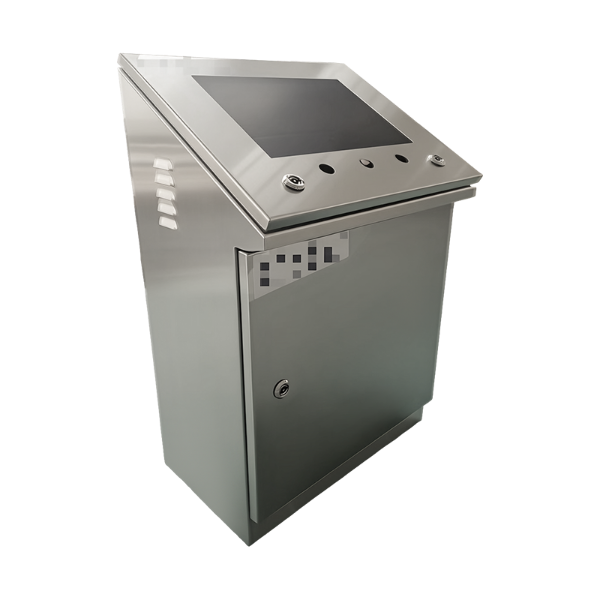
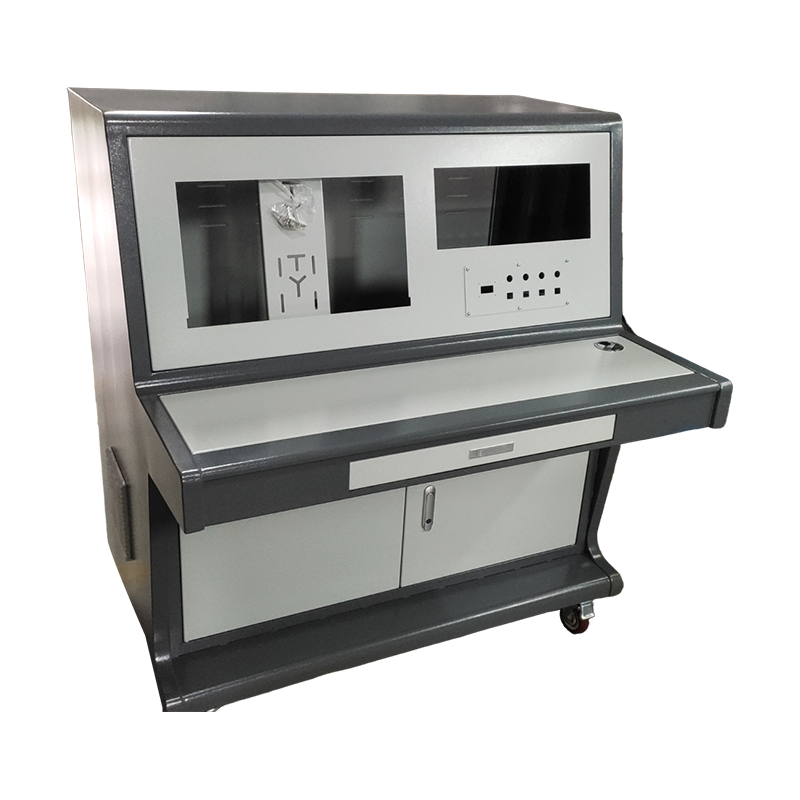
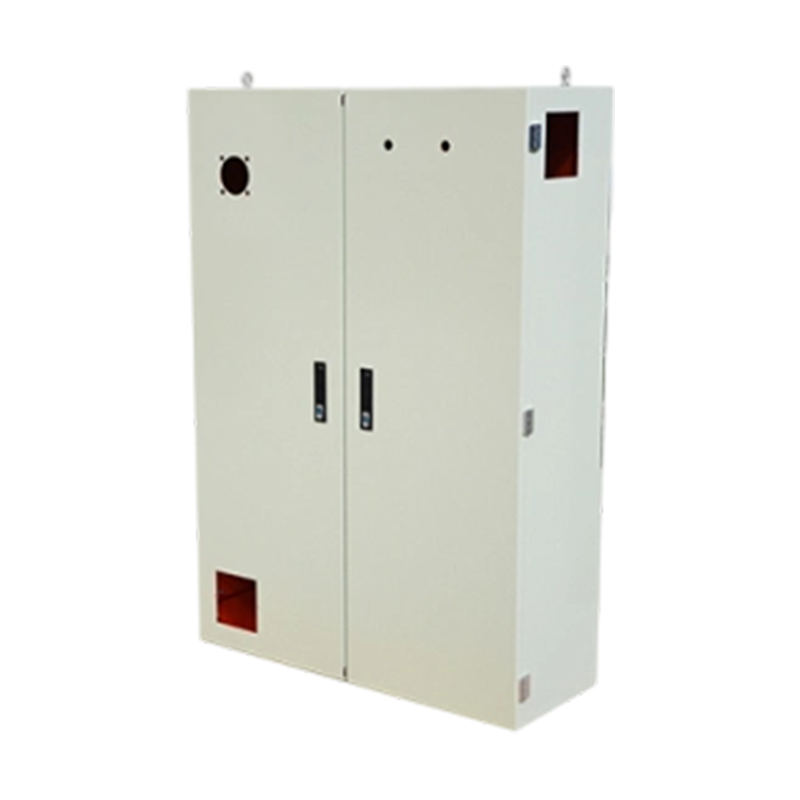
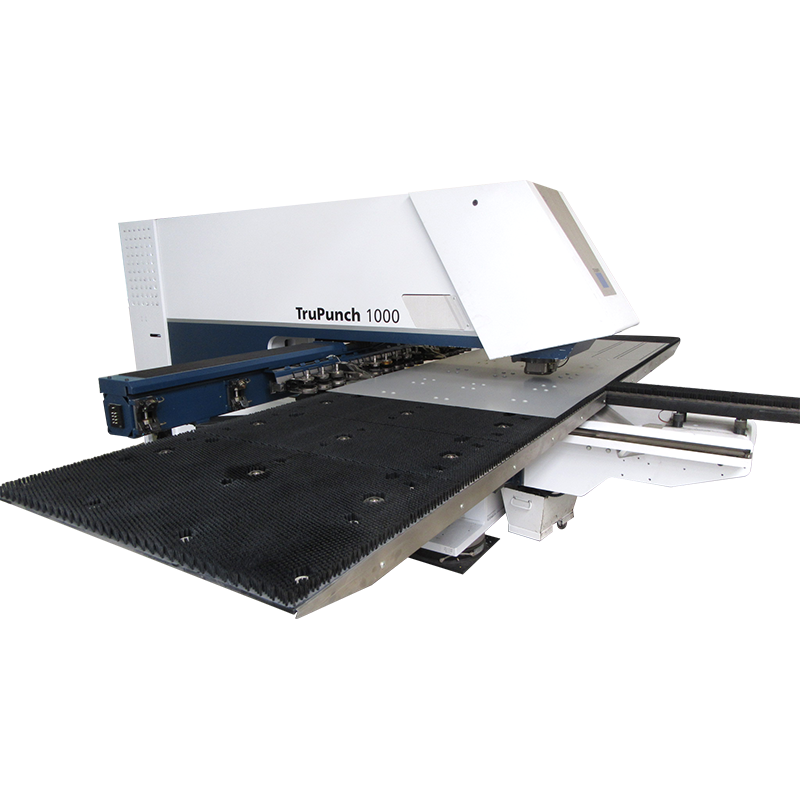
The variety of models, to meet the development needs of various regions in the world.
Carbon steel spray-coated AE electrical box
Non-standard carbon steel spray-coated custom cabinet
Non-standard customized mobile control panel
Phone:+86-15896481972(zhuxiaosui)
Fax: +86-0510-83890571
E-Mail: [email protected]
ADD:No. 2 Qida Road, No. 1 Shunqi Road, Yuqi Street, Huishan District, Wuxi City, Jiangsu Province, China

 English
 русский
 Español
 中文简体
中文简体