
In industrial applications, protecting sensitive equipment is crucial. Automation enclosures are designed to safeguard electrical and mechanical systems from environmental elements, impacts, and interference. The choice of material for these enclosures is a pivotal decision that affects durability, functionality, and overall performance.
Two of the most commonly used materials for automation enclosures are metal and plastic. Each material has distinct advantages and limitations.
Automation enclosures are protective housings designed for electrical and industrial systems. These enclosures serve as a shield against dust, moisture, mechanical impacts, and electromagnetic interference. The primary goal of automation enclosures is to preserve the integrity of the equipment housed within them, ensuring optimal performance and longevity.
Metal Automation Enclosures:
Metal enclosures, typically made from steel or aluminum, offer superior strength and durability. Metals are highly resistant to physical impacts, making them ideal for environments where equipment may be exposed to harsh conditions, such as factory floors or outdoor settings. Metal enclosures are also better at dissipating heat, which can help prevent overheating of sensitive electrical components.
Plastic Automation Enclosures:
Plastic enclosures, often made from materials like polycarbonate, ABS, or fiberglass, are lightweight and corrosion-resistant. While not as strong as metal enclosures, plastic enclosures are still durable enough for many industrial applications. They are ideal for environments where weight is a concern or where enclosures are not subject to heavy physical stress.
| Feature | Metal Enclosures | Plastic Enclosures |
|---|---|---|
| Strength | High | Moderate |
| Corrosion Resistance | Moderate | High |
| Weight | Heavy | Light |
| Heat Dissipation | Excellent | Moderate |
Metal Enclosures:
Metal enclosures provide excellent protection against environmental factors such as rain, dust, and extreme temperatures. They are particularly effective in shielding against electromagnetic interference (EMI), which is essential for applications involving sensitive electronic equipment.
Plastic Enclosures:
Plastic enclosures excel in resistance to chemical corrosion, which can be a significant advantage in certain industrial environments where exposure to harsh chemicals is common. However, plastic enclosures are less effective at shielding against EMI and heat, making them less suitable for environments where these factors are a concern.
| Environmental Protection | Metal Enclosures | Plastic Enclosures |
|---|---|---|
| EMI Shielding | Excellent | Poor |
| Chemical Resistance | Moderate | High |
| Moisture Protection | High | Moderate |
Metal Enclosures:
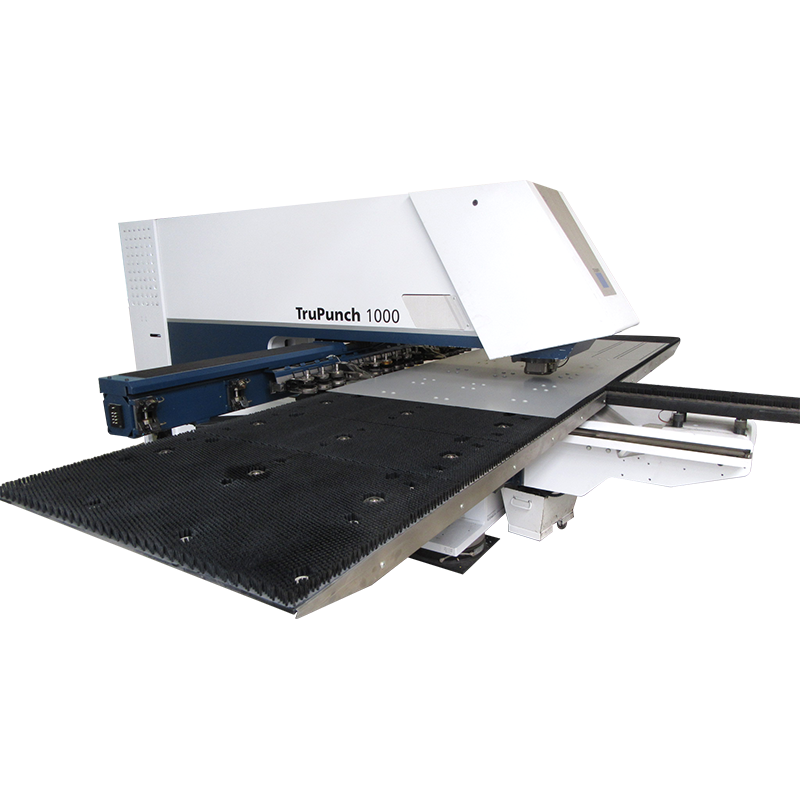
Metal enclosures tend to be more expensive due to the cost of materials and manufacturing processes. The use of high-precision equipment such as CNC punching machines and laser cutting machines adds to the overall cost of metal enclosures. However, their durability and protection may justify the higher initial investment.
Plastic Enclosures:
Plastic enclosures are generally more affordable. The materials are less expensive, and the manufacturing processes are simpler. As a result, plastic enclosures are a cost-effective solution for applications where extreme protection is not required. However, for long-term use, plastic enclosures may need to be replaced more frequently than metal ones, which can increase overall costs.
| Cost | Metal Enclosures | Plastic Enclosures |
|---|---|---|
| Initial Cost | High | Low |
| Long-term Durability | High | Moderate |
Metal Enclosures:
Metal enclosures offer a more industrial look and are often preferred for applications where aesthetics are not a priority. While they can be painted or powder-coated to improve their appearance, their rigid structure may limit design flexibility.
Plastic Enclosures:
Plastic enclosures can be molded into a wide range of shapes and sizes, offering greater design flexibility. They are available in a variety of colors, which can be an advantage for consumer-facing products or applications where appearance is important.
| Design Flexibility | Metal Enclosures | Plastic Enclosures |
|---|---|---|
| Shape Variety | Limited | High |
| Color Options | Moderate | High |
Metal Enclosures:
Metal enclosures have excellent thermal conductivity, making them ideal for environments where heat management is essential. Metal can dissipate heat more effectively, helping to keep sensitive components cool.
Plastic Enclosures:
Plastic enclosures generally have lower thermal conductivity. This can be a disadvantage in applications where heat generation is a concern, as plastic enclosures may retain heat, potentially leading to overheating issues.
| Thermal Management | Metal Enclosures | Plastic Enclosures |
|---|---|---|
| Heat Dissipation | Excellent | Poor |
When deciding between metal and plastic automation enclosures, consider the following factors:
At Wuxi Runjiu Tian Machinery Co., Ltd., we specialize in the design and manufacture of industrial automation enclosures. Our products include high and low voltage control cabinets, large equipment housings, and precision stamped parts. With advanced production equipment such as high-precision laser cutting machines, CNC punching machines, and CNC bending machines, we offer high-quality solutions tailored to meet the diverse needs of our clients. We also provide customized industrial automation enclosures to suit specific operational requirements.
1. What are automation enclosures used for?
Automation enclosures protect electrical and mechanical systems from environmental factors, ensuring safe and reliable operation in industrial settings.
2. What material is best for protecting against electromagnetic interference?
Metal enclosures, especially those made from aluminum or steel, are highly effective at shielding against electromagnetic interference.
3. Can plastic enclosures be used for outdoor applications?
While plastic enclosures offer excellent chemical resistance, metal enclosures are generally better suited for outdoor environments where protection against physical impacts and extreme weather is necessary.
4. Are metal enclosures more expensive than plastic ones?
Yes, metal enclosures tend to be more expensive due to the higher material costs and more complex manufacturing processes.
5. How do I choose between metal and plastic for my automation enclosures?
The choice depends on factors like the required level of protection, environmental conditions, budget, and design flexibility. If durability and EMI shielding are important, metal is usually the better option.
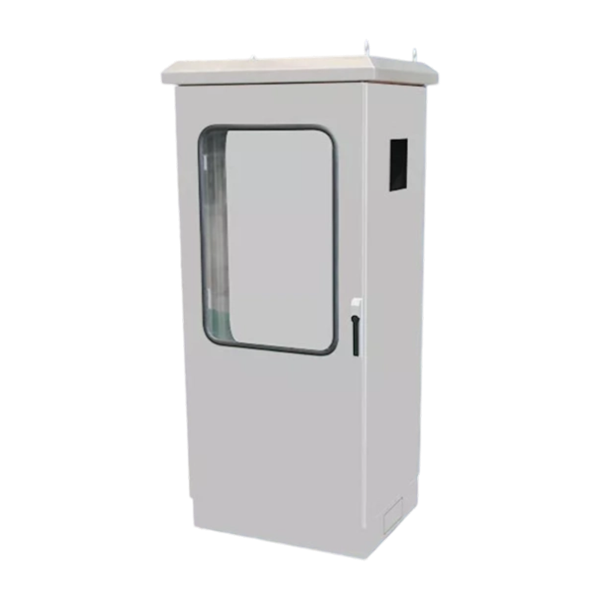
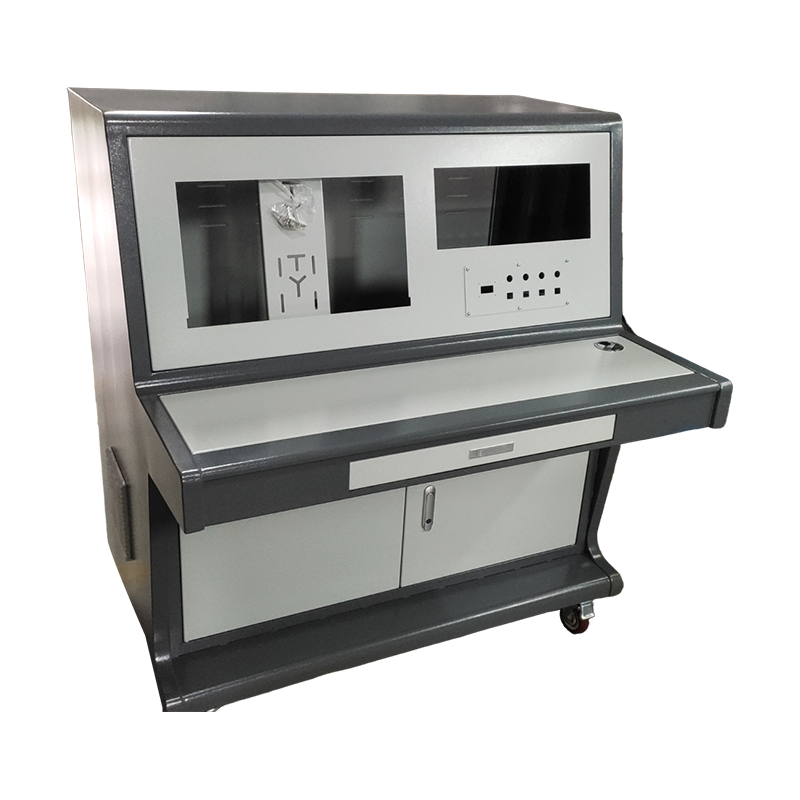
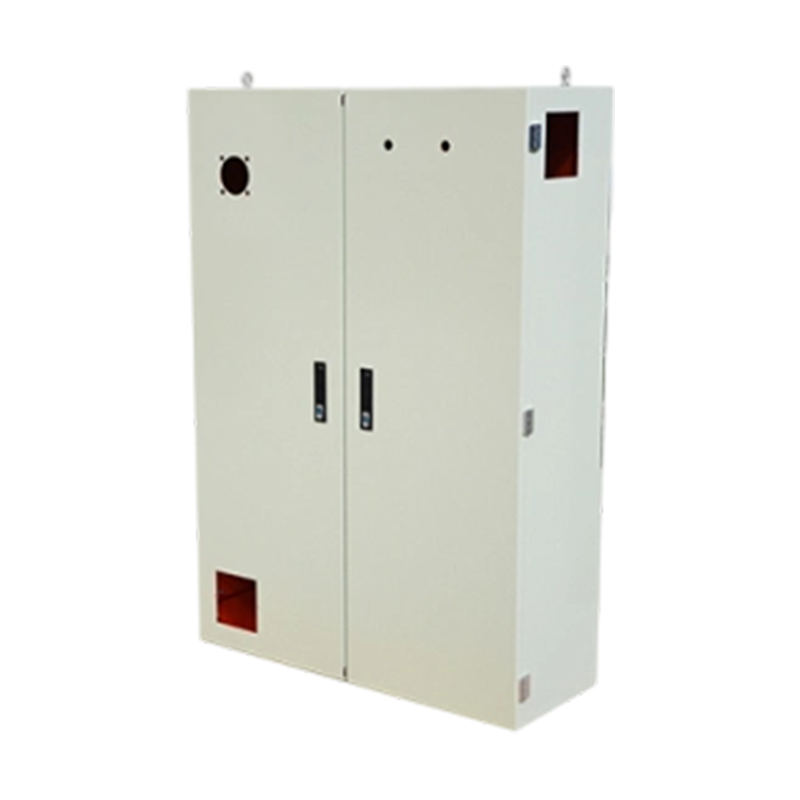
The variety of models, to meet the development needs of various regions in the world.
Carbon steel spray-coated AE electrical box
Non-standard carbon steel spray-coated custom cabinet
Non-standard customized mobile control panel
Phone:+86-15896481972(zhuxiaosui)
Fax: +86-0510-83890571
E-Mail: [email protected]
ADD:No. 2 Qida Road, No. 1 Shunqi Road, Yuqi Street, Huishan District, Wuxi City, Jiangsu Province, China

 English
 русский
 Español
 中文简体
中文简体