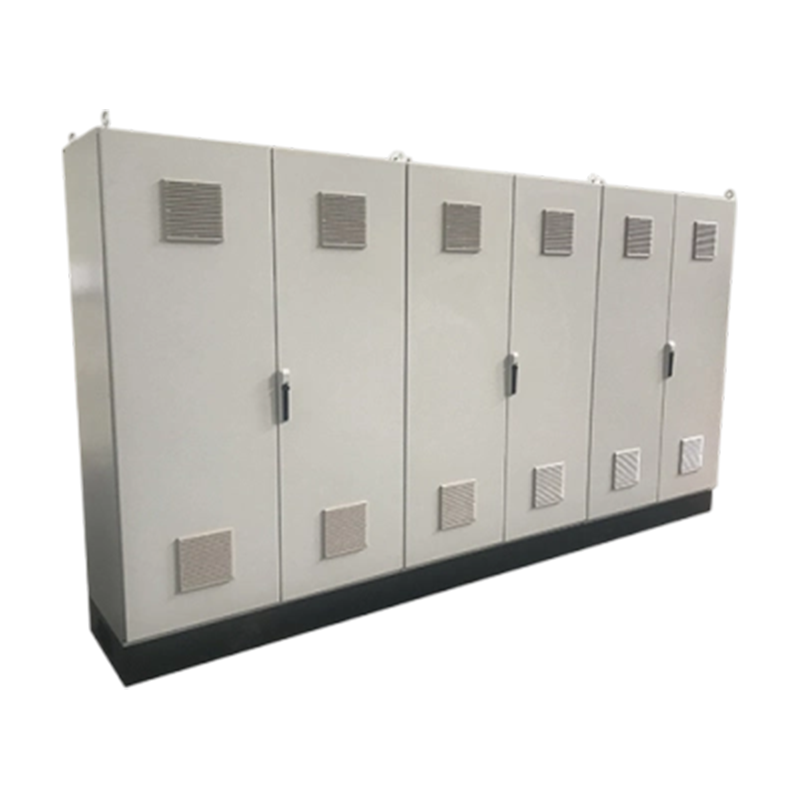
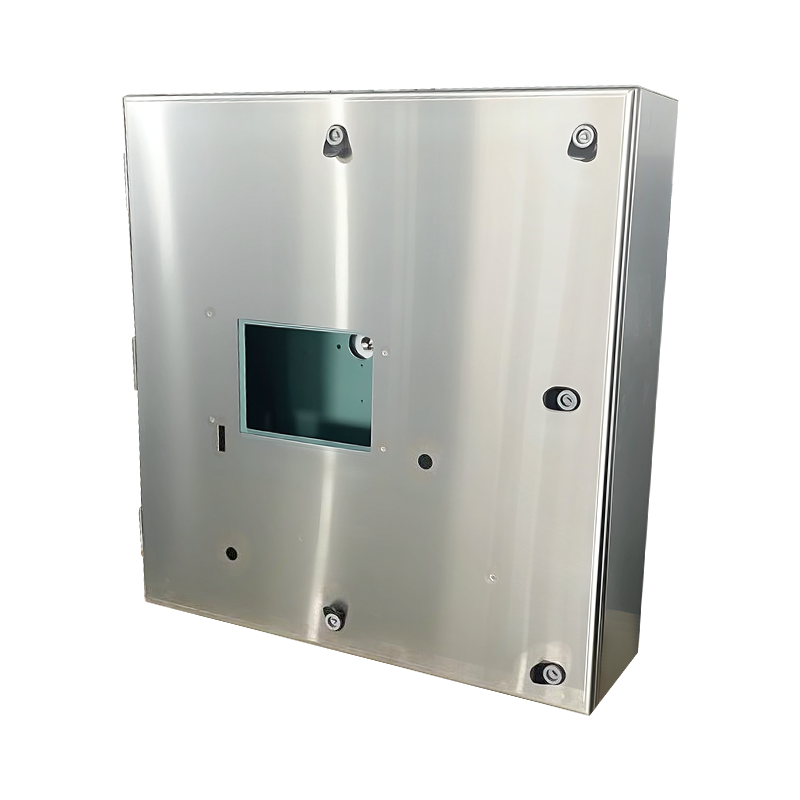
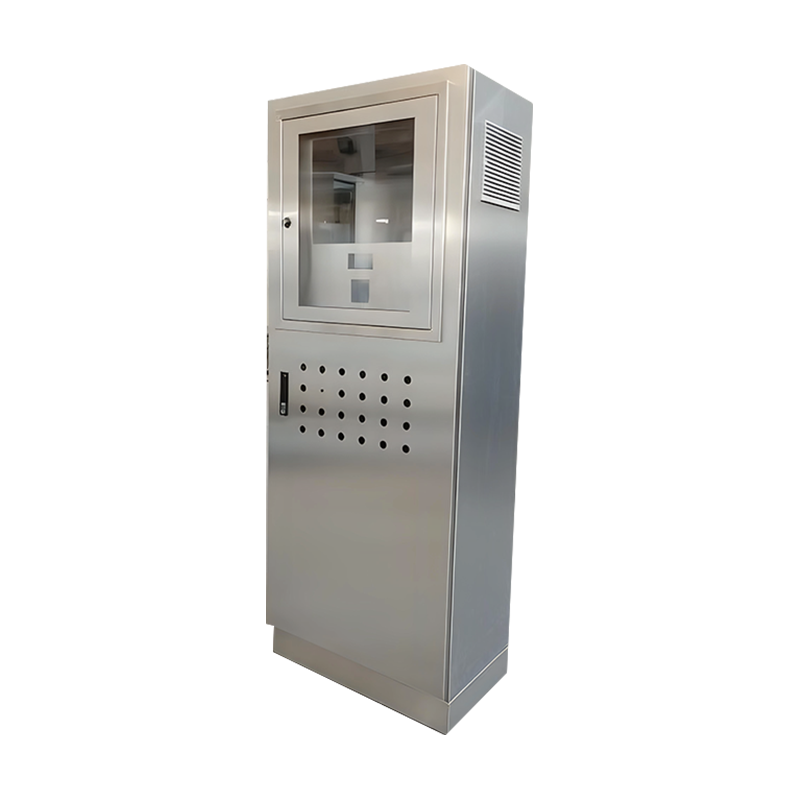
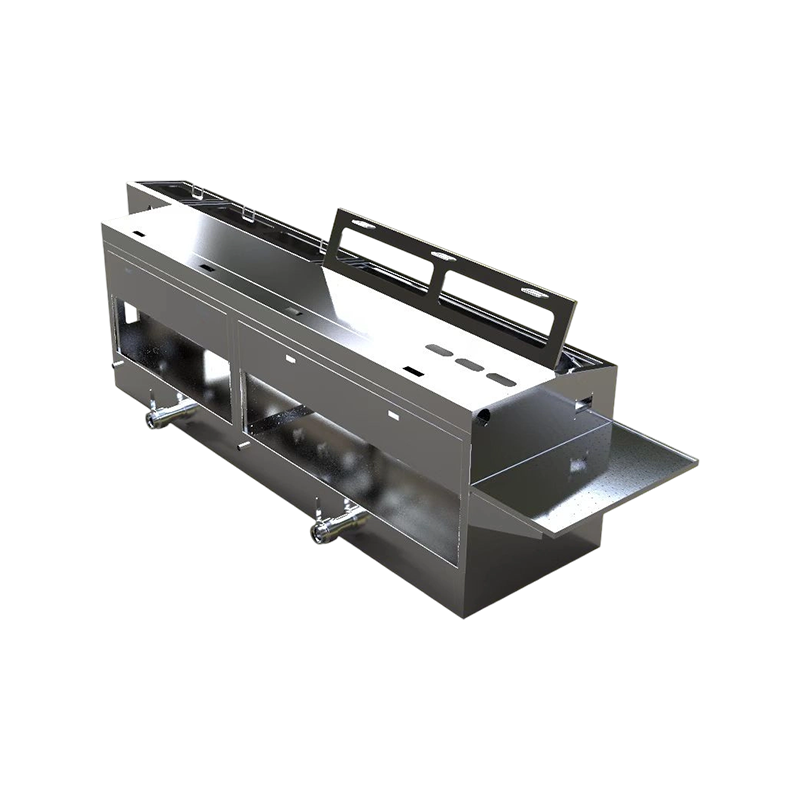
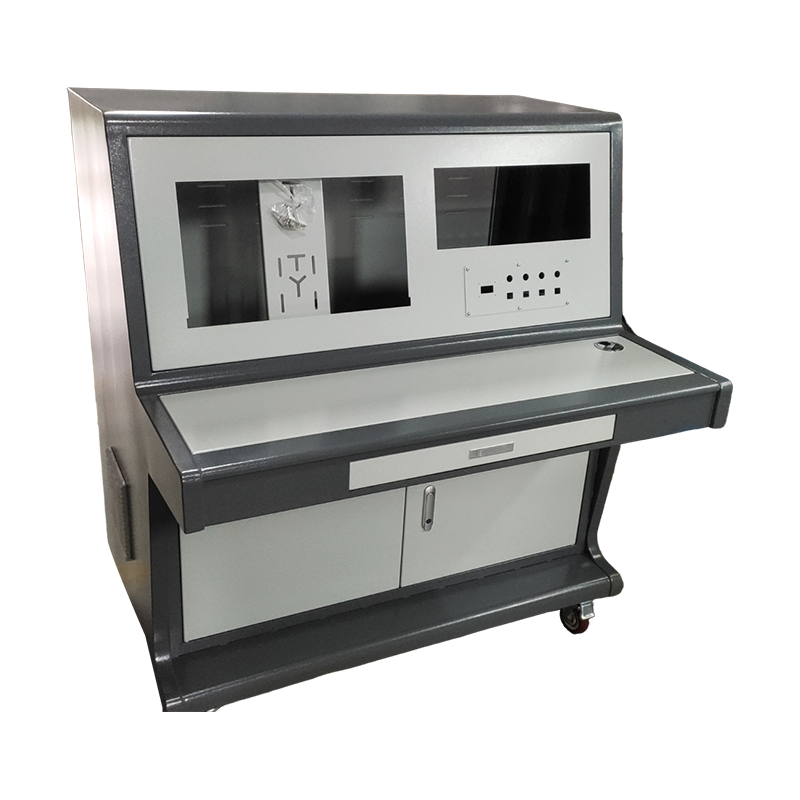
Conclusion: Industrial metal enclosures are absolutely essential for equipment protection. They provide structural rigidity, environmental sealing (dust, moisture, chemicals), electromagnetic interference (EMI) shielding, and thermal management. Without robust metal enclosures, sensitive electronics, automated machinery, and power systems would suffer accelerated failure, safety hazards, and unplanned downtime. Data shows that properly designed metal enclosures reduce failure rates by over 60% in harsh industrial settings and extend equipment service life by 3–5 times compared to unprotected or plastic enclosures.
What Exactly Are Industrial Metal Enclosures?
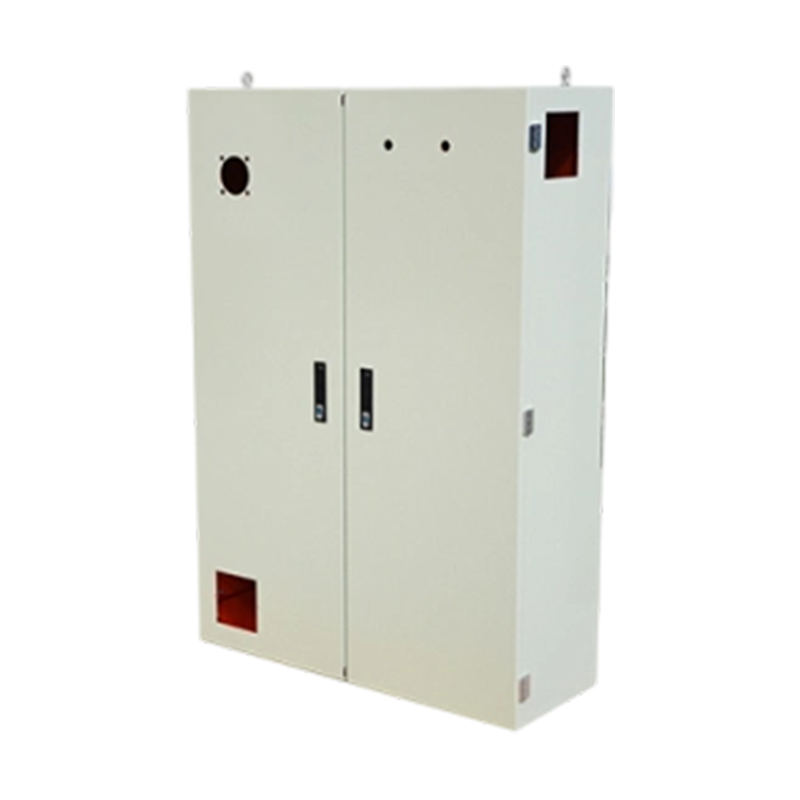
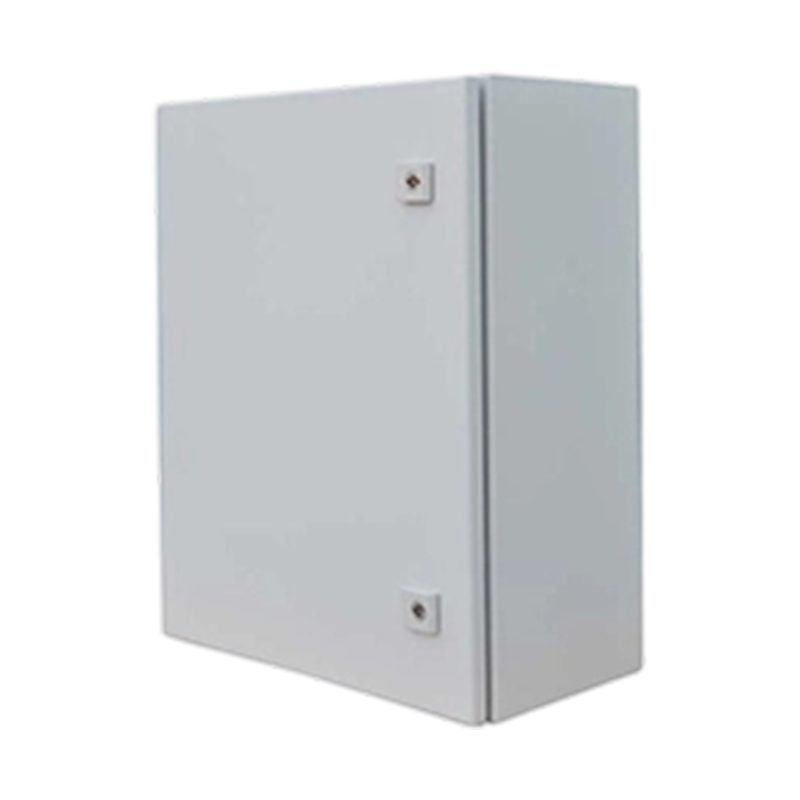
Industrial metal enclosures are protective housings fabricated primarily from steel, stainless steel, or aluminum using mechanical sheet metal processing. They are engineered to house electrical components, control systems, drives, PLCs, communication devices, and sensitive instrumentation in demanding environments such as factories, power plants, outdoor substations, and marine installations.
Unlike consumer-grade plastic boxes, metal enclosures offer superior mechanical impact resistance, fire retardancy, and long-term dimensional stability. Key features include:
- High mechanical strength – withstands vibration, shock, and physical contact (IK ratings up to IK10).
- Environmental protection – IP66/IP67 or NEMA 4X ratings against dust, water jets, and corrosion.
- EMI/RFI shielding – conductive metal surfaces block electromagnetic interference, critical for precision controls.
- Thermal dissipation – metal naturally conducts heat, often enhanced with vents or cooling fins.
Essential takeaway: Metal enclosures are the first line of defense against production-stopping failures, and their performance relies heavily on precision sheet metal processing techniques.
Why Mechanical Sheet Metal Processing Is the Backbone of Reliable Enclosures
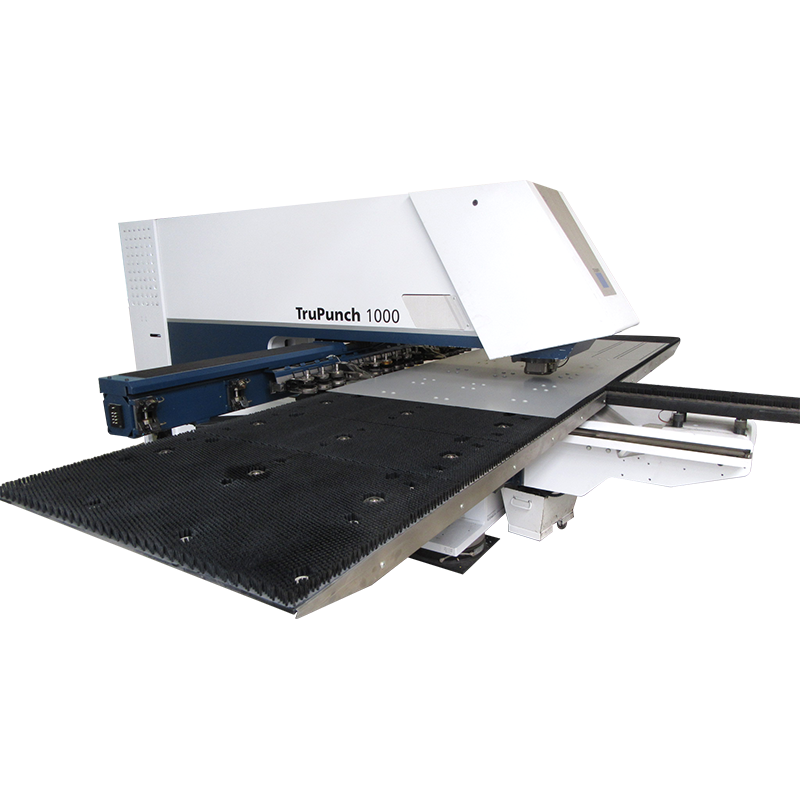
The quality, tolerances, and durability of industrial metal enclosures are directly determined by mechanical sheet metal processing methods. Processes such as laser cutting, CNC punching, precision bending, welding, and surface finishing ensure that enclosures meet strict IP/NEMA standards and structural requirements. Even small deviations in flatness or seam gaps can compromise protection against dust or water ingress.
Critical sheet metal parameters affecting enclosure performance:
- Material thickness: Typically 0.8 mm to 4.0 mm for standard enclosures; heavier gauge for high-impact areas.
- Bending accuracy: ±0.3 mm or tighter ensures proper door sealing and component mounting alignment.
- Weld integrity: Continuous seam welding (vs. stitch welding) prevents leakage paths and increases torsional rigidity.
- Surface treatment: Powder coating (60–100 μm thickness) adds corrosion resistance and salt-spray protection up to 1000+ hours.
Industry benchmark: Laser-cut edges with deburring and precise folding reduce ingress paths; statistical studies show enclosures produced with advanced sheet metal processing achieve IP66 certification rates 94% higher than rudimentary fabrication methods.
Typical Sheet Metal Processing Workflow for Enclosure Manufacturing
- 1. CAD Design & Nesting
- 2. Laser / Punch Cutting
- 3. CNC Bending
- 4. Welding & Assembly
- 5. Surface Finishing (Powder Coating)
- 6. Quality Testing (IP / Grounding)
Value-add of precision processing: Each step must be tightly controlled – for instance, laser kerf consistency below 0.1 mm, bending radius accuracy, and weld penetration depth (≥80% of material thickness) directly affect enclosure ingress protection and structural lifespan.
Critical Material Selection: How Metal Types Influence Protection Levels
Choosing the right metal for an industrial enclosure depends on environmental aggressiveness, required strength, and weight constraints. Below is a comparison of common materials used in mechanical sheet metal processing for enclosures:
| Material |
Tensile Strength (MPa) |
Corrosion Resistance |
Best Application Environment |
| Mild Steel (SPCC/DC01) |
270–410 |
Low (requires coating) |
Indoor, dry, vibration-resistant mounts |
| Stainless Steel (304/316L) |
515–620 |
Excellent (316L for marine) |
Chemical plants, food processing, outdoor coastal |
| Aluminum (5052/6061) |
180–310 |
Good (anodized improves) |
Lightweight, heat dissipation, RF shielding |
Key guidance: For corrosive or washdown environments, stainless steel enclosures (316L grade) provide >1,500 hours of salt spray resistance. For EMI-sensitive electronics, aluminum offers inherent shielding effectiveness of 80–100 dB at 1 GHz when properly grounded.
Additionally, sheet metal processing such as post-galvanizing for steel enclosures can achieve up to 800 hours of neutral salt spray protection, making them cost-effective for many industrial applications while meeting NEMA 12 or IP54 standards.
IP and NEMA Ratings: Quantifying Equipment Protection
Industrial metal enclosures are certified with ingress protection (IP) or NEMA ratings that specify resistance to solids and liquids. Understanding these standards helps engineers select the correct enclosure for each environment. Common industrial requirements include IP54 (dust protected & splashing water), IP66 (dust-tight & powerful jets), and NEMA 4X (corrosion-resistant, watertight, and ice-resistant).
| Rating |
Solid Particle Protection |
Liquid Ingress Protection |
Typical Industrial Use |
| IP54 |
Dust protected (limited ingress) |
Splashing water from all directions |
Machine shops, indoor conveyors |
| IP65 |
Dust-tight |
Low-pressure water jets |
Food & beverage, automotive assembly |
| IP66 |
Dust-tight |
Powerful water jets (100 L/min) |
Outdoor, washdown zones, marine decks |
| NEMA 4X |
Dust-tight, plus corrosion resistance |
Hose-directed water, ice formation |
Chemical plants, wastewater treatment |
Performance data: Enclosures with an IP66 rating and fabricated from 2.0mm stainless steel using continuous welding withstand 12.5 mm nozzle water jets at 100 kPa without any leakage – validated by standard test procedures. For mission-critical outdoor telecom shelters, NEMA 4X enclosures reduce corrosion-related failures by up to 70%.
When mechanical sheet metal processing includes gasket channels and captive hardware, the enclosure can achieve higher ratings reliably. Ensuring flatness after bending (≤0.5 mm/m) is a prerequisite for achieving uniform gasket compression and thus IP66/NEMA 4X certification.
How Metal Enclosures Defeat Environmental Threats: Data-Driven Advantages
Industrial environments combine multiple stressors: temperature swings (-40°C to +85°C), humidity up to 95%, airborne particulates, corrosive gases, and electromagnetic noise. Metal enclosures address each threat with quantifiable effectiveness:
- Mechanical impact resistance: Steel enclosures withstand >20 Joules of impact (IK10 standard), protecting internal components from falling tools or debris.
- Thermal performance: Aluminum enclosures dissipate heat 4x better than plastic; with vents and internal baffles, internal temperatures remain 10–15°C lower than ambient without active cooling.
- Chemical and UV resistance: Powder-coated surfaces resist solvents, oils, and UV degradation (color retention >5 years outdoor).
- EMI attenuation: Steel enclosures provide up to 60 dB shielding effectiveness at 1 GHz, critical for VFDs and radio-sensitive equipment.
Reliability metric: In a comparative study of 500 industrial control panels, those housed in welded steel enclosures with proper grounding demonstrated a mean time between failures (MTBF) 3.2x higher than those in non-metallic enclosures under similar conditions. This translates directly to reduced downtime and lower total cost of ownership.
Frequently Asked Questions (FAQ) About Industrial Metal Enclosures & Sheet Metal Processing
1. What is the difference between IP and NEMA ratings for metal enclosures?
IP ratings (Ingress Protection) focus on solid particle and liquid ingress only, while NEMA ratings additionally consider corrosion resistance, hazardous location suitability, and gasket aging. For example, NEMA 4X enclosures are IP66-equivalent but also include salt spray and corrosion tests. Industrial specifiers often choose NEMA for North American projects and IP for international applications.
2. How does sheet metal gauge affect enclosure durability?
Thicker gauge (lower number, e.g., 14 ga vs 16 ga) increases mechanical strength and resistance to denting. For floor-standing enclosures, 2.0 mm (14 ga) steel is recommended for high-vibration zones, while 1.2 mm for wall-mount boxes is standard. Welded corners plus reinforced flanges improve torsional stiffness significantly.
3. Can industrial metal enclosures be custom-designed for specific equipment?
Yes. Mechanical sheet metal processing enables fully custom cutouts, tapped holes, hinged doors, mounting plates, and internal subpanels. Modern laser cutting and CNC bending allow complex geometries with tight tolerances (±0.1 mm) without expensive tooling. Typical customization includes ventilation louvers, cable gland entries, and viewing windows.
4. What surface finishes provide the best corrosion resistance for outdoor enclosures?
For carbon steel: hot-dip galvanizing (≥85 µm) followed by polyester powder coating yields >1500 hours salt spray resistance. For stainless steel: passivation or electro-polishing enhances the natural chromium oxide layer. Aluminum enclosures benefit from hard anodizing (50 µm thickness) for abrasive coastal environments.
5. Is welding always required for a robust industrial enclosure?
Welded corners and seams offer superior structural integrity and dust/water tightness compared to folded-and-fastened designs. For IP66 and higher, continuous seam welding (MIG/TIG) is mandatory. However, for modular enclosures or IP54 ratings, riveted or screwed assemblies with sealing gaskets can be acceptable if designed with overlapping joints.
6. How can I ensure proper grounding and bonding with metal enclosures?
Sheet metal processing should include dedicated grounding studs or threaded inserts. The enclosure material itself provides low-impedance path if all panels are electrically bonded. Standard practice requires grounding resistance below 0.1 ohm between doors, body, and backplate to ensure safety and EMI suppression.


 English
 русский
 Español
 中文简体
中文简体