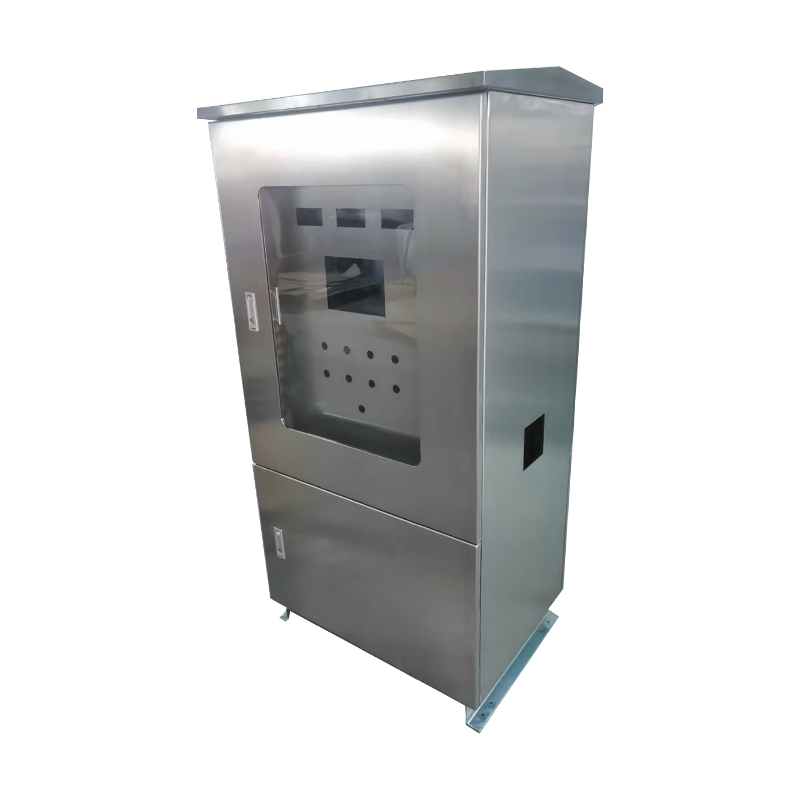
Sheet metal fabrication is an essential manufacturing process used in numerous industries, ranging from automotive to construction. The process involves transforming raw metal sheets into specific shapes and sizes through methods like laser cutting, CNC punching, and bending. One of the most important factors influencing the final product is the material used. Different metals have varying properties that affect the efficiency, cost, and quality of the sheet metal fabrication process.
Sheet metal fabrication refers to the process of turning metal sheets into parts using various techniques, including cutting, bending, punching, welding, and assembling. The material chosen for fabrication plays a crucial role in determining the choice of technique and the overall quality of the final product.
Key steps in sheet metal fabrication include:
The material selected for sheet metal fabrication significantly influences the entire production process. Here are some common materials used in sheet metal fabrication and how they affect the process:
Steel is one of the most commonly used metals in sheet metal fabrication. Its popularity arises from its balance of strength, durability, and affordability. Steel is suitable for a wide range of applications, including automotive bodies, industrial machinery, and construction components.
Aluminum is known for its lightweight and corrosion-resistant properties. It is used in industries where weight reduction is essential, such as aerospace and transportation.
Stainless steel combines the properties of steel with enhanced corrosion resistance. It is commonly used in environments where hygiene and corrosion resistance are critical, such as food processing, pharmaceuticals, and chemical industries.
Copper and brass are often used for their excellent electrical conductivity and aesthetic qualities. These metals are frequently used in the production of electrical components and decorative parts.
Titanium is known for its lightweight, high-strength, and corrosion-resistant properties. It is often used in aerospace, medical devices, and high-end automotive applications.
The machinability of a material refers to how easily it can be processed using machining tools. This includes factors such as cutting speed, tool wear, and ease of forming. Some materials, like steel, are relatively easy to machine, while others, like titanium, require specialized equipment.
For instance:
The properties of the material directly impact the final quality of the fabricated part. These properties include strength, flexibility, ductility, hardness, and corrosion resistance. Understanding how these properties interact with the fabrication process can help manufacturers select the right material for their needs.
Materials like steel and stainless steel are known for their strength and are commonly used in structural applications where durability is critical. However, stronger materials often require more power and precision during the fabrication process, increasing cost and processing time.
Ductility refers to a material’s ability to undergo significant plastic deformation before breaking. Materials like aluminum and copper are highly ductile, making them ideal for processes like deep drawing and stamping. On the other hand, materials like stainless steel can be less ductile, which may limit their forming capabilities.
For industries like food processing or pharmaceuticals, materials with high corrosion resistance (like stainless steel or aluminum) are essential. These materials can withstand harsh environments, increasing the longevity and safety of the final product.
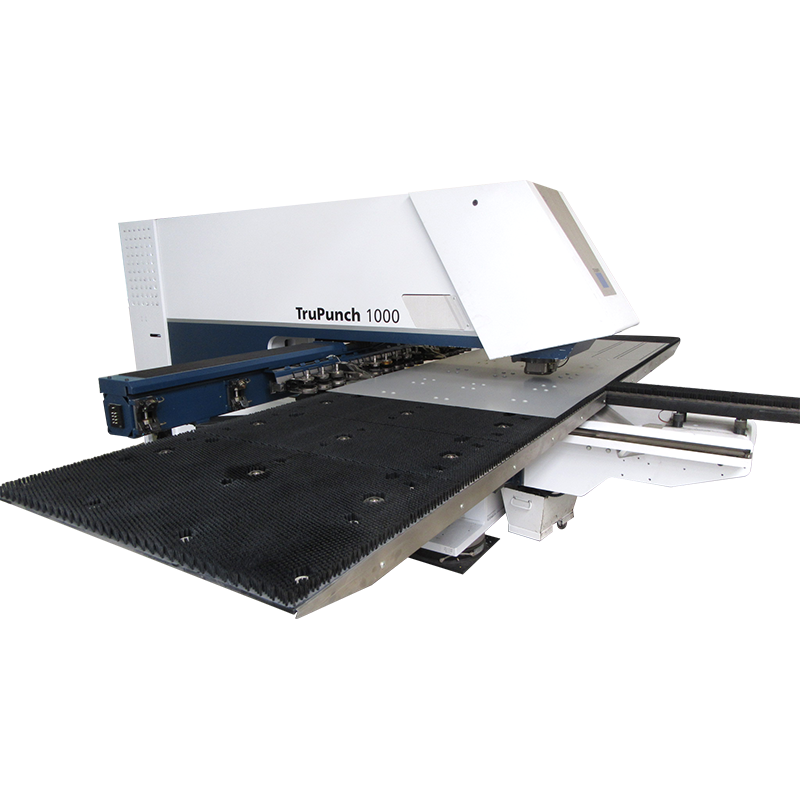
Advancements in technology have significantly improved the efficiency and precision of sheet metal fabrication processes. Some key technologies include:
Each material comes with its own set of challenges during the fabrication process. Some materials may require specialized tooling or processing steps, while others may present issues related to cost or material waste. Understanding these challenges is critical for manufacturers to optimize their production processes.
The choice of material plays a pivotal role in the sheet metal fabrication process. Understanding the properties and challenges associated with different metals can help manufacturers select the best material for their specific application.
1. What is the most commonly used material in sheet metal fabrication?
Steel is the most widely used material in sheet metal fabrication due to its versatility, strength, and cost-effectiveness.
2. How does material selection affect the cost of sheet metal fabrication?
Materials like stainless steel and titanium tend to be more expensive, which can increase the overall cost of fabrication due to the need for specialized tools and slower processing times.
3. Can aluminum be used for high-strength applications?
While aluminum is strong, it is not as strong as steel or titanium. However, it is ideal for lightweight applications and can be alloyed to enhance strength.
4. How does CNC technology improve sheet metal fabrication?
CNC machines provide high precision, repeatability, and efficiency, reducing human error and material waste during the fabrication process.
5. What are the environmental impacts of sheet metal fabrication?
The fabrication process generates waste and emissions, but technologies like waterjet cutting and laser cutting help minimize material waste and energy consumption.
Content
The variety of models, to meet the development needs of various regions in the world.
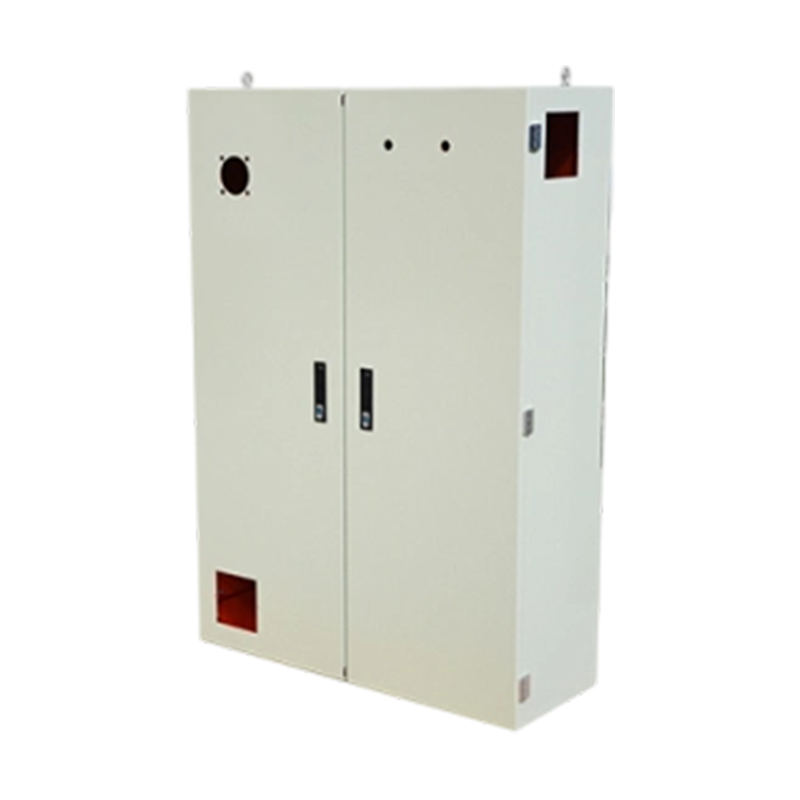
Carbon steel spray-coated AE electrical box
Non-standard carbon steel spray-coated custom cabinet
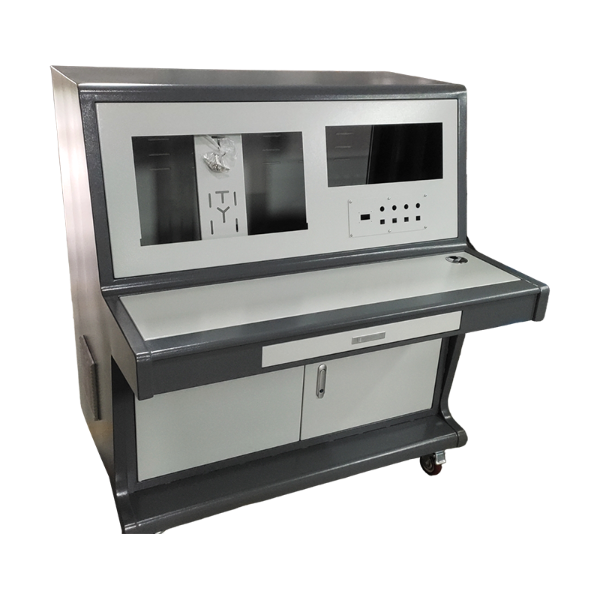
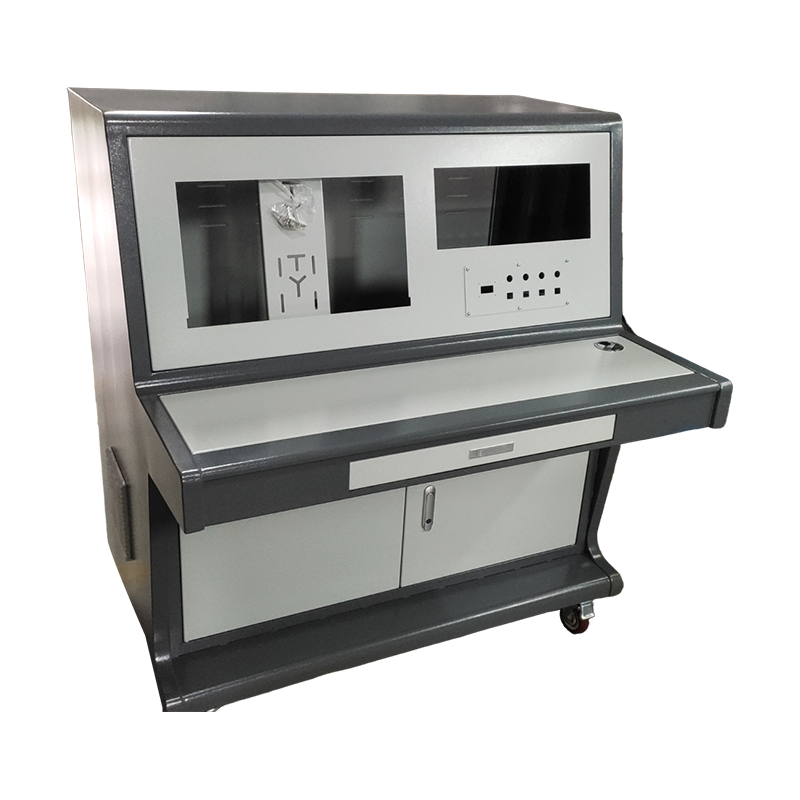
Non-standard customized mobile control panel
Phone:+86-15896481972(zhuxiaosui)
Fax: +86-0510-83890571
E-Mail: [email protected]
ADD:No. 2 Qida Road, No. 1 Shunqi Road, Yuqi Street, Huishan District, Wuxi City, Jiangsu Province, China

 English
 русский
 Español
 中文简体
中文简体