Industry News

Home / News / Industry News / Industrial Metal Enclosures: A Practical Buying Guide

Industrial Metal Enclosures: A Practical Buying Guide

Electronic control systems fail faster in the wrong housing than from almost any other single cause. Industrial Metal Enclosures exist to stop that: a metal barrier between sensitive components and dust, moisture, impact, and electromagnetic interference. This guide walks through what these enclosures are built from, where they get specified, and how to judge one before it goes on an order.

Core Function

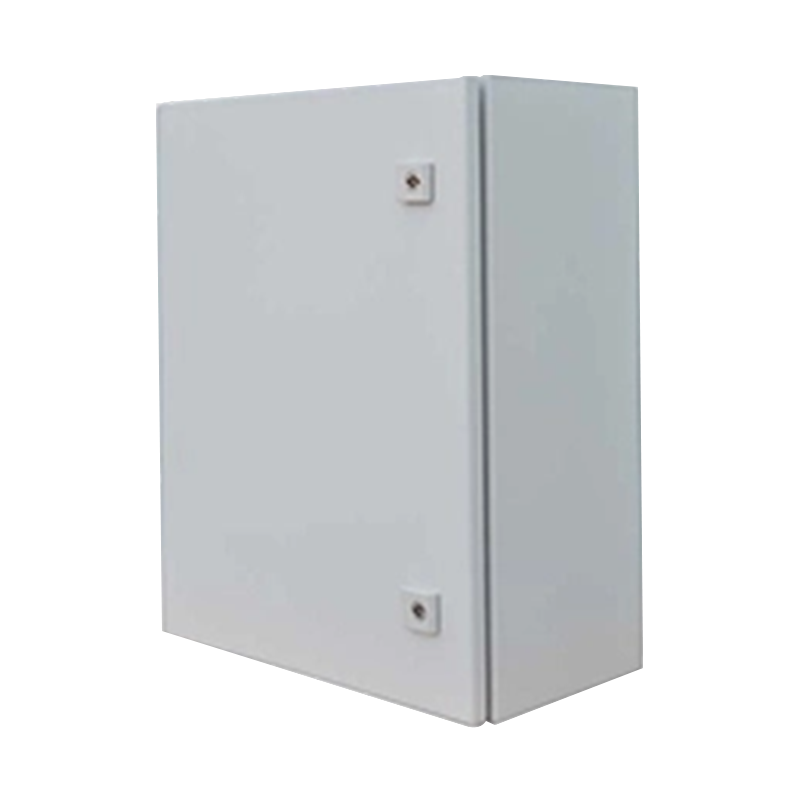
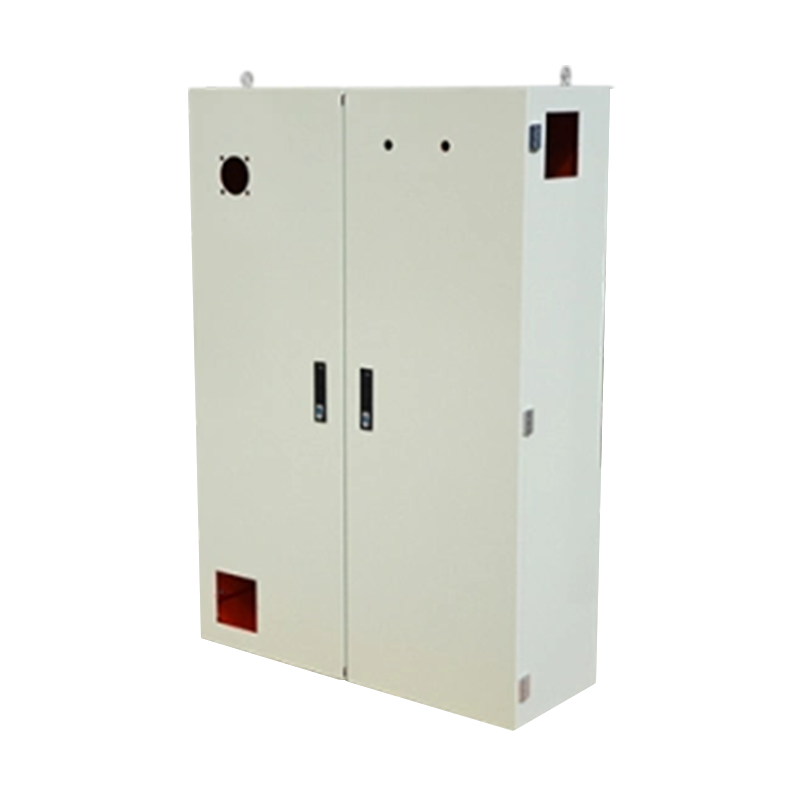
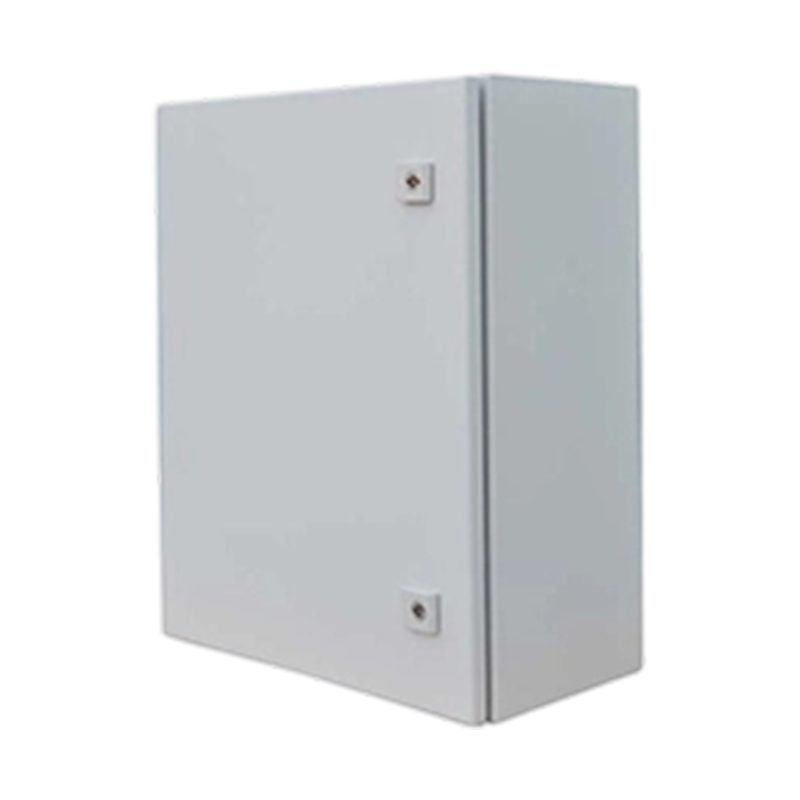
An industrial metal enclosure is a protective metal housing built to contain electrical, electronic, or mechanical components while shielding them from environmental exposure, physical impact, and electromagnetic interference.

Structural Components Inside the Housing

A

Metal enclosure body forming the primary protective structure

B

Mounting plate for organized internal component installation

C

Access door or cover with hinges and locking hardware

D

Cable entry system for controlled wiring access

E

Ventilation components for internal temperature control

F

Surface coating layer for corrosion and wear resistance

Why Metal Outperforms Plastic Enclosures

Feature Metal Enclosures Plastic Enclosures
Mechanical strength High, resists impact and vibration Lower, more sensitive to damage
Environmental resistance Strong with proper surface treatment Limited for harsh conditions
EMI shielding Built into the metal structure itself Requires added shielding measures
Best fit Industrial, electrical, automation systems Lighter-load electronic devices

Where These Enclosures Get Specified

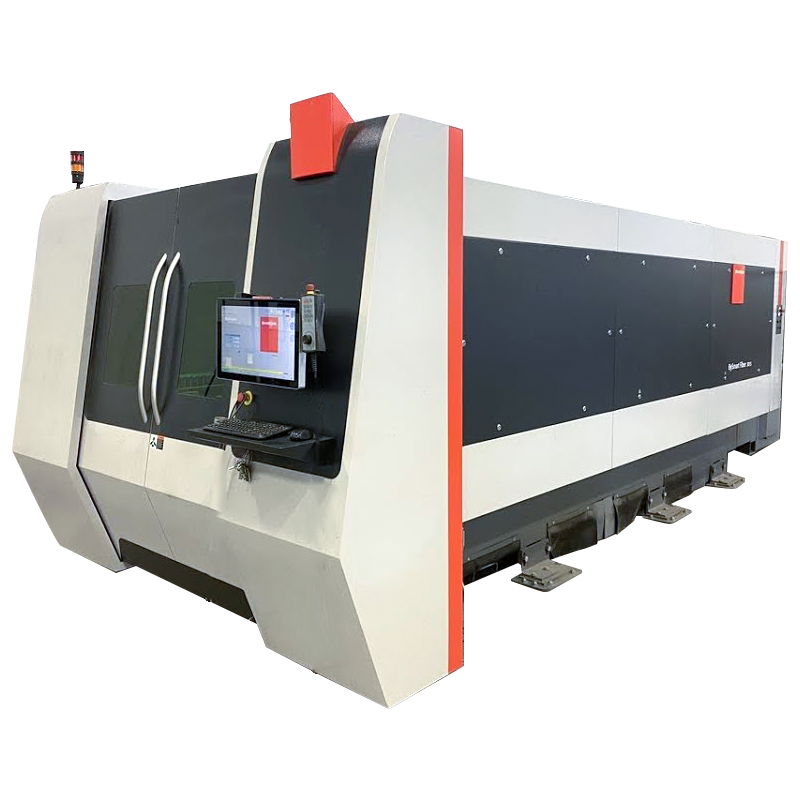
Industrial Automation

PLC cabinets and control systems for production line automation.

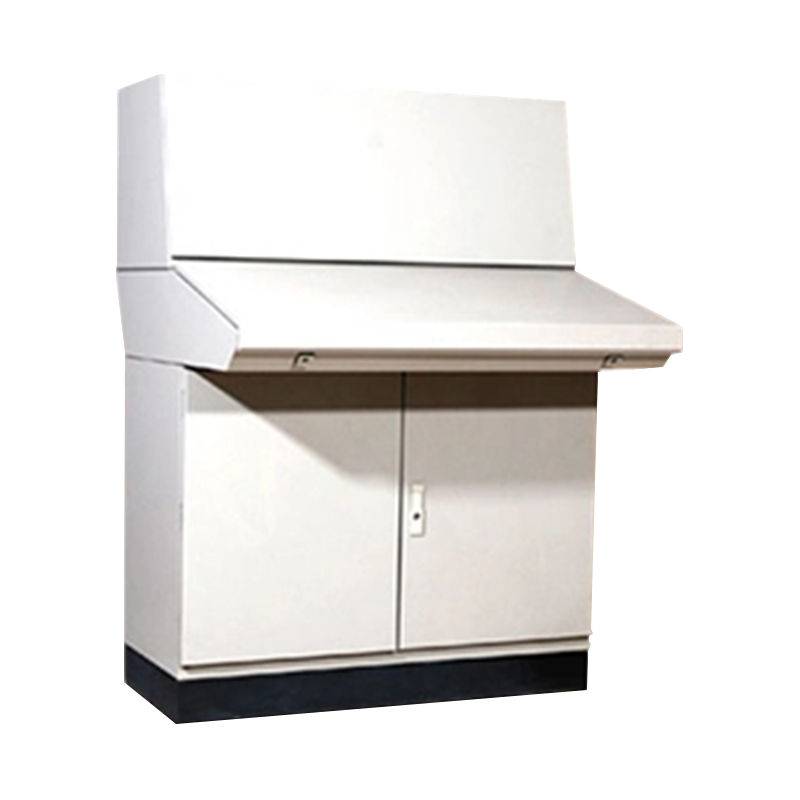
Electrical Power Systems

Distribution equipment and electrical control panels.

Energy & Telecom

Renewable energy systems, battery cabinets, and outdoor signal equipment.

Medical & Lab Equipment

Testing instruments and precision equipment needing clean, protective housing.

Why It Matters

An enclosure that isolates electrical components from operators isn't just protecting the equipment. It's a direct part of workplace electrical safety.

Evaluating an Enclosure Before You Order

Match the Enclosure to the Environment

  • Installation environment, indoor or outdoor
  • Internal component dimensions and space requirements
  • Expected temperature range during operation
  • Required protection rating for dust and moisture

Confirm Performance Specifications

  • Material thickness relative to expected mechanical stress
  • Protection rating (IP level) matched to the environment
  • Heat dissipation capability for internal component load
  • Load capacity for mounted components

Check Build Quality

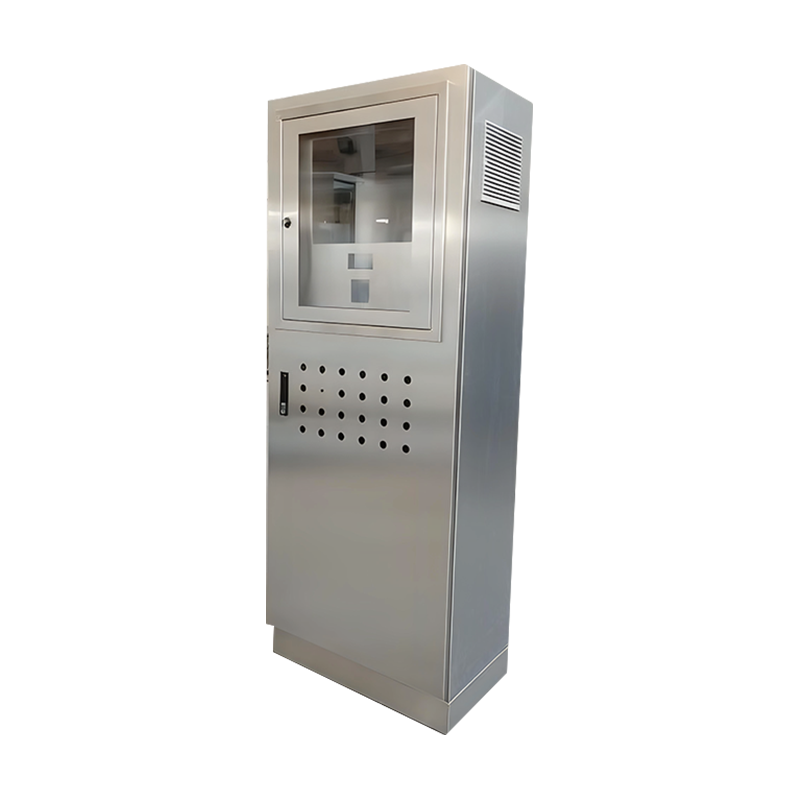
  • Metal type: carbon steel, stainless steel, or aluminum alloy
  • Surface treatment for corrosion resistance
  • Welding quality and assembly precision

Supplier Checklist

A capable supplier documents mechanical strength, corrosion resistance, and protection rating test results, and offers customization for dimensions, cable management, and ventilation to fit your specific installation.

Where Enclosure Design Is Heading

Smart monitoring enclosures are starting to report internal temperature and access events directly to control systems, while modular designs and lightweight metal materials are making it easier to fit protection into tighter installation spaces without sacrificing structural strength.

Product Categories

Recommended News