Sheet metal fabrication plays a pivotal role in determining the durability and performance of various industrial products. The process involves transforming flat sheets of metal into specific shapes and sizes using techniques such as cutting, bending, and assembling. By leveraging the inherent properties of metals and the precision of fabrication processes, manufacturers can create products that exhibit exceptional strength, longevity, and functionality.
Sheet metal fabrication refers to the process of using flat metal sheets to create a wide range of products through various operations. These processes include cutting, bending, welding, punching, and assembling. This method is integral in industries ranging from automotive to electronics, where precision, strength, and durability are crucial. A key advantage of sheet metal is its versatility and the ability to customize it for specific uses, which makes it indispensable in modern manufacturing.
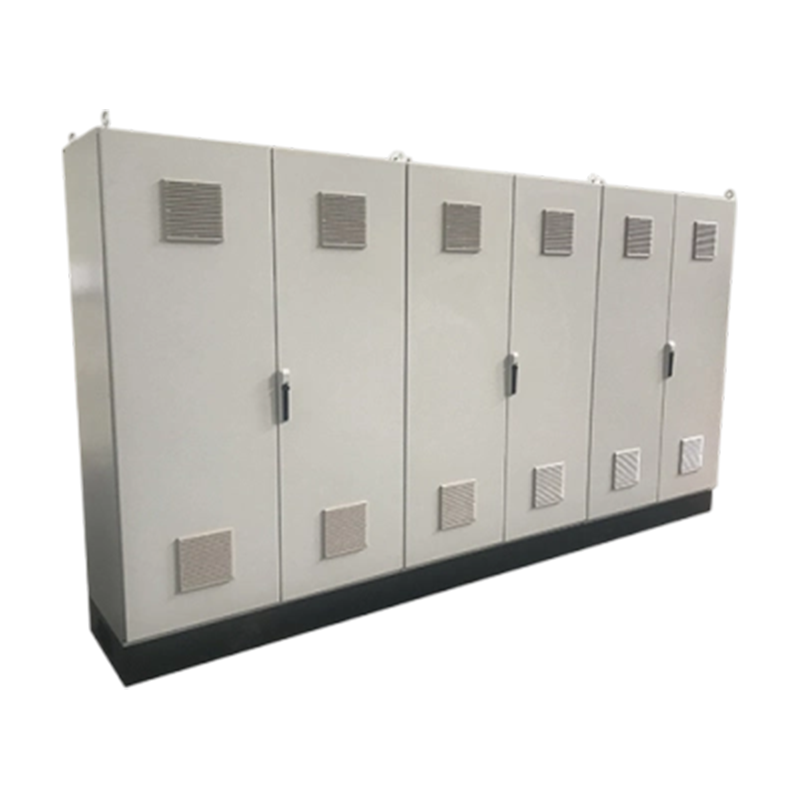
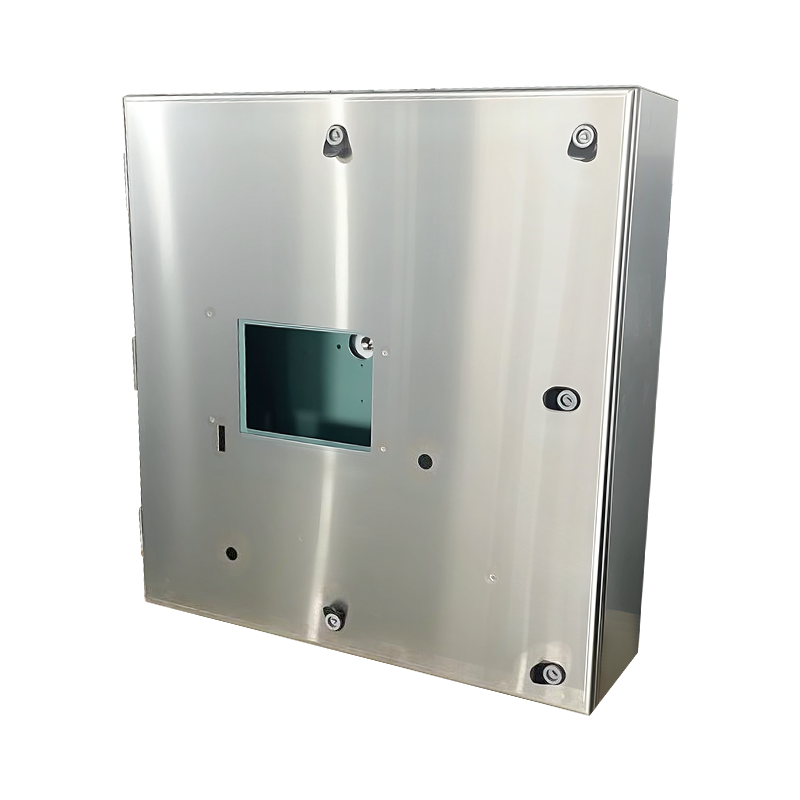
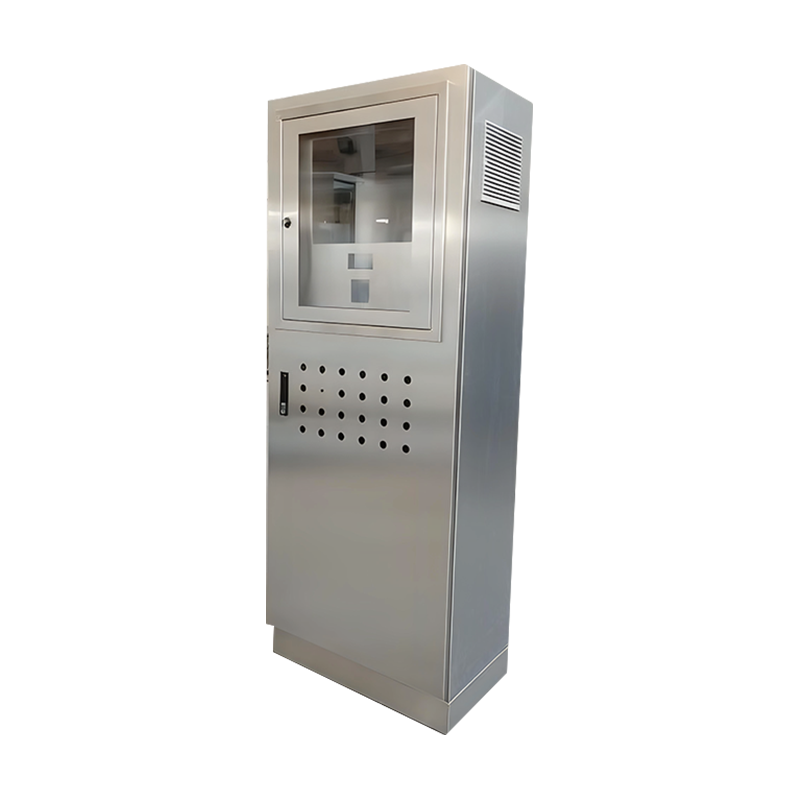
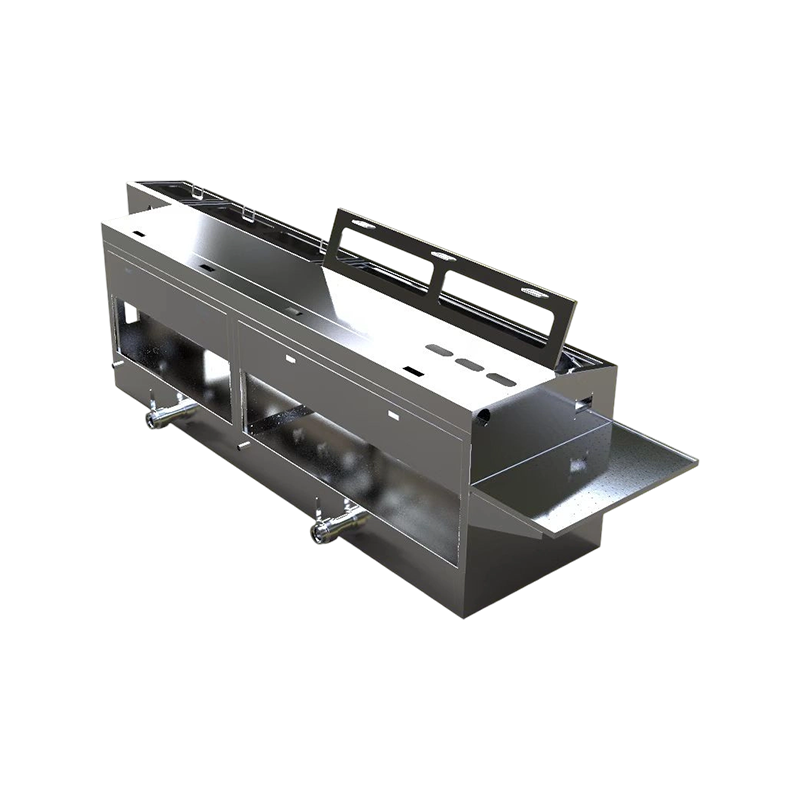
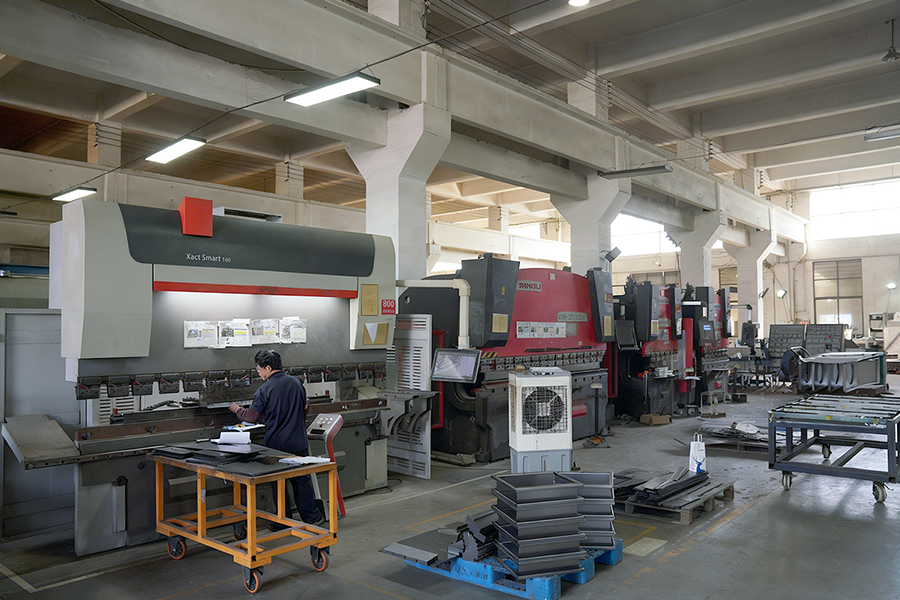
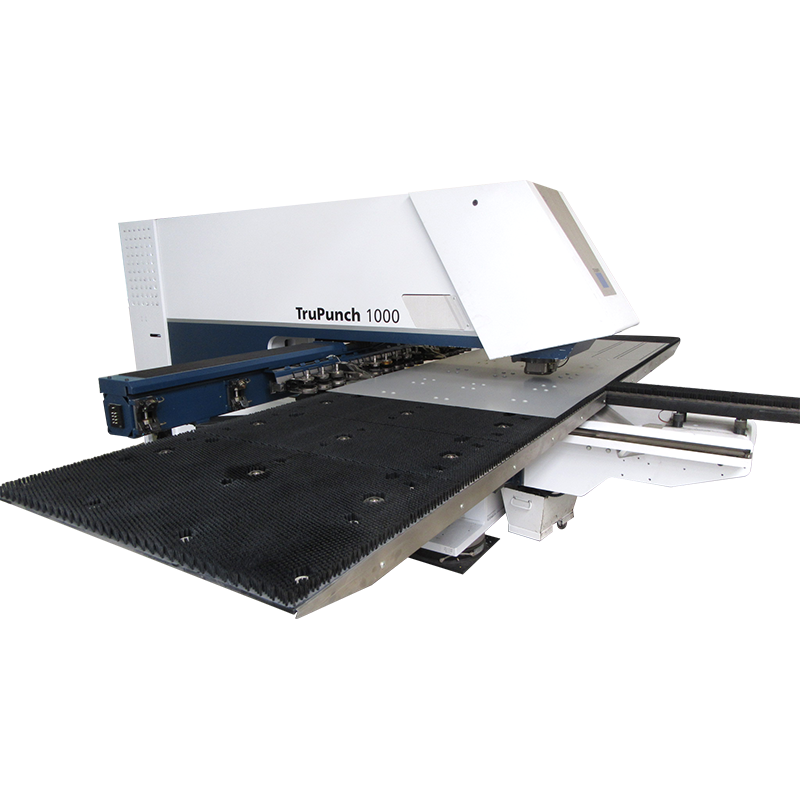
Fabrication is commonly used to create products that require high durability, such as control cabinets, enclosures, and parts for heavy machinery. Wuxi Runjiu Tian Machinery Co., Ltd. specializes in sheet metal processing, producing high and low voltage control cabinets, large equipment housings, and high-precision stamped parts. By employing state-of-the-art machinery, such as CNC punching and laser cutting, companies ensure that the fabricated products meet stringent durability standards.
The type of metal used in sheet metal fabrication directly influences the final product’s performance and durability. Materials like stainless steel, aluminum, and carbon steel are commonly used, each offering distinct properties suitable for different applications.
The ability to select the right material ensures that the fabricated product performs optimally under various conditions, whether in extreme temperatures, high pressure, or exposed to harsh chemicals.
Various sheet metal fabrication techniques contribute to the strength and performance of the final product. Here, we focus on some of the most commonly used processes:
Laser cutting is a precise method that uses a high-powered laser to cut through metal sheets. This technique results in smooth, clean edges that are free of burrs and deformities. The precision of laser cutting ensures that products are made to exact specifications, improving the overall performance and reducing the need for post-processing.
CNC (Computer Numerical Control) bending uses machines controlled by computer programs to create precise bends in sheet metal. The accuracy of CNC bending is crucial for ensuring that components fit together seamlessly, which enhances the overall durability and performance of the product.
Welding is essential for joining different pieces of metal together. The strength of a welded joint can significantly impact the durability of the final product. Different welding methods, such as TIG (Tungsten Inert Gas) and MIG (Metal Inert Gas) welding, offer varying levels of strength, flexibility, and precision.
Punching and stamping are used to create holes or indentations in sheet metal. These techniques are often used to reduce weight or create specific features in products. The precision of these processes ensures that parts fit together accurately, enhancing product performance.
The durability of a product largely depends on how well it is fabricated. The accuracy of cutting, bending, welding, and assembling ensures that the product can withstand the conditions it will face during use.
Through precise fabrication, products are created to meet the required standards of strength, longevity, and reliability, ultimately leading to enhanced performance.
Quality control is essential to ensuring that the final product meets the desired durability and performance criteria. In sheet metal fabrication, rigorous quality checks are conducted at each stage of production, from material selection to the final assembly. These checks help identify any flaws or weaknesses in the product before it reaches the market.
Wuxi Runjiu Tian Machinery Co., Ltd. employs state-of-the-art equipment and a rigorous quality control system to ensure that every product meets the highest standards of durability and performance.
Sheet metal fabrication is integral to ensuring that industrial products meet high standards of durability and performance. The selection of materials, precision in fabrication techniques, and stringent quality control are all factors that contribute to the final product’s strength, longevity, and overall effectiveness. By utilizing advanced technologies and maintaining high standards of craftsmanship, manufacturers can create products that withstand the test of time.
1. What is sheet metal fabrication?
Sheet metal fabrication is the process of transforming flat sheets of metal into specific shapes using techniques like cutting, bending, punching, and welding.
2. How does material selection impact the durability of sheet metal products?
Choosing the right material, such as stainless steel for corrosion resistance or carbon steel for strength, plays a crucial role in the product’s durability under various conditions.
3. What fabrication techniques contribute to the strength of a product?
Techniques like laser cutting, CNC bending, welding, and stamping enhance the accuracy, strength, and overall performance of sheet metal products.
4. How does quality control affect sheet metal fabrication?
Quality control ensures that the fabricated product meets dimensional accuracy, material integrity, and joint strength, which directly impacts its durability and performance.
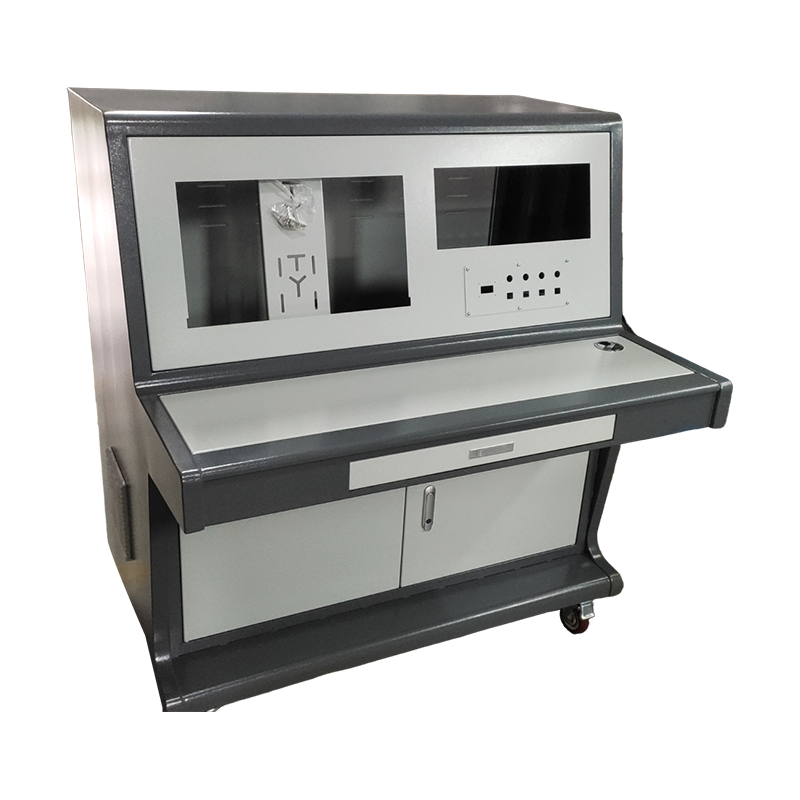
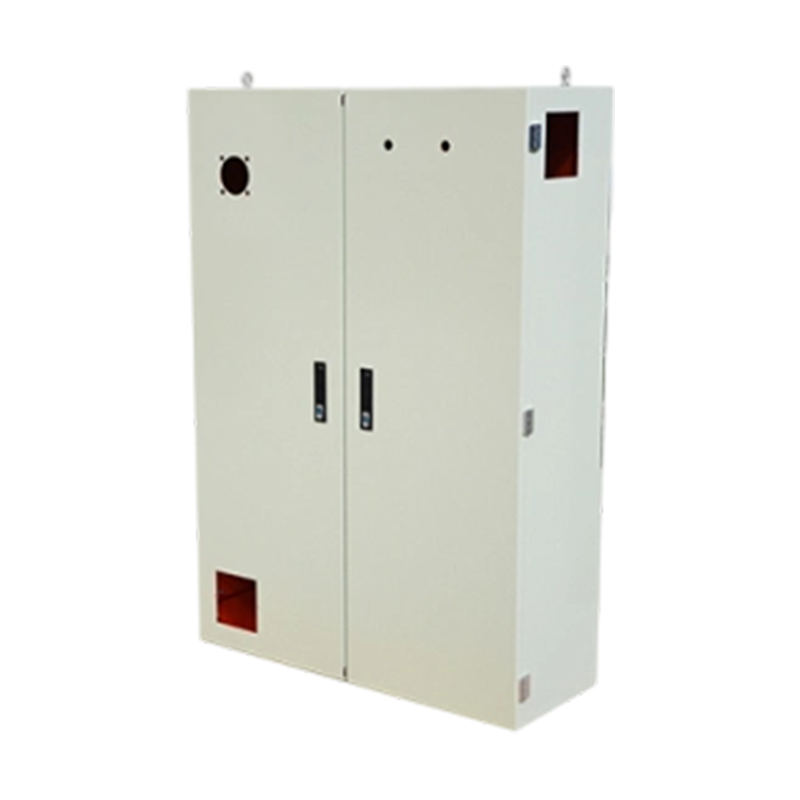
The variety of models, to meet the development needs of various regions in the world.
Carbon steel spray-coated AE electrical box
Non-standard carbon steel spray-coated custom cabinet
Non-standard customized mobile control panel
Phone:+86-15896481972(zhuxiaosui)
Fax: +86-0510-83890571
E-Mail: [email protected]
ADD:No. 2 Qida Road, No. 1 Shunqi Road, Yuqi Street, Huishan District, Wuxi City, Jiangsu Province, China

 English
 русский
 Español
 中文简体
中文简体