 English
 русский
 Español
 中文简体
1. Understanding Custom Sheet Metal Enclosures for Industrial Applications
Are you sourcing industrial electrical enclosures, control cabinets or equipment housings for an automation project? Selecting the right enclosure involves more than comparing dimensions and purchase prices. Material properties, fabrication capabilities, structural design and dimensional accuracy all influence how an enclosure performs throughout its service life.
sheet metal fabrication is an essential manufacturing process for producing industrial automation enclosures. It transforms flat metal sheets into functional structures through cutting, punching, bending, welding and surface finishing. These processes support a wide range of products, including electrical control boxes, non-standard cabinets, stainless steel outdoor enclosures, operator consoles and customized equipment housings.
As industrial equipment becomes more integrated, standard enclosure dimensions may not accommodate every installation requirement. Custom sheet metal enclosures allow manufacturers and equipment integrators to specify dimensions, mounting positions, ventilation openings, cable entries, door configurations and internal component arrangements according to actual project conditions.
For procurement engineers and supply chain professionals, three technical dimensions deserve particular attention: material selection, manufacturing processes and fabrication tolerances. Each affects production feasibility, assembly compatibility, environmental protection and long-term maintenance.
A suitable enclosure should match the equipment layout, operating environment, installation method and maintenance requirements. Evaluating these factors together provides a more reliable purchasing basis than considering material thickness or unit price alone.
This guide examines common sheet metal materials, essential fabrication processes, dimensional tolerance considerations and supplier evaluation criteria for industrial electrical and automation enclosure projects.
2. Common Sheet Metal Materials for Industrial Automation Enclosures
Material selection establishes the basic mechanical, environmental and manufacturing characteristics of an enclosure. Carbon steel, stainless steel and aluminum are widely considered for industrial sheet metal products, while copper and titanium serve more specialized requirements.
When comparing sheet metal materials, buyers should evaluate corrosion resistance, structural strength, weight, formability, weldability, surface treatment compatibility and total manufacturing cost. The most appropriate material depends on the enclosure's application rather than a single property.
Carbon Steel
Carbon steel is commonly used for industrial control cabinets, electrical boxes, machine enclosures and operator workstations. It offers a practical balance between material cost, mechanical strength and processing flexibility.
- Suitable for laser cutting, punching, shearing and press brake bending.
- Can be assembled through conventional industrial welding methods.
- Compatible with powder coating and other specified protective finishes.
- Appropriate for indoor electrical cabinets and general industrial equipment housings.
Carbon steel is particularly useful when the project requires a rigid enclosure with multiple mounting points, reinforced panels or welded structural components. Its susceptibility to corrosion means that surface preparation and coating quality must be considered during specification.
For indoor applications, a properly selected coating system can protect the enclosure against ordinary environmental exposure. If the cabinet will be installed in a humid or chemically aggressive environment, the coating specification should reflect the actual operating conditions.
Stainless Steel
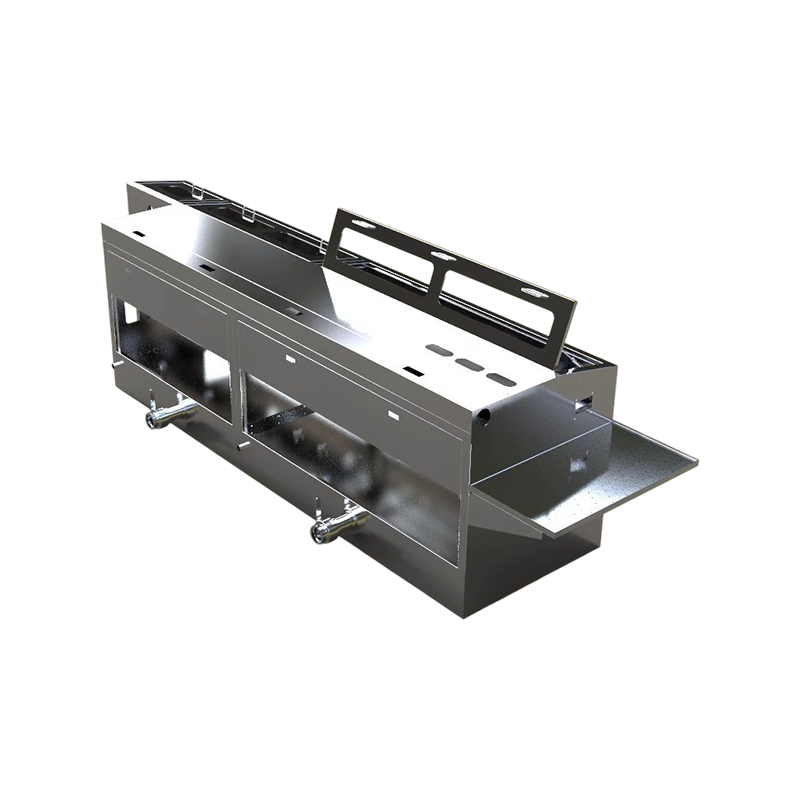
Stainless steel is frequently selected for outdoor electrical enclosures, rainproof control boxes and equipment operating in humid or corrosive environments. Its chromium-containing alloy composition provides corrosion resistance through a passive surface layer.
- Suitable for outdoor cabinets and exposed industrial installations.
- Available in different grades according to corrosion requirements.
- Can be fabricated through cutting, bending, drilling and welding.
- Supports brushed, polished and other specified surface finishes.
Grade selection matters. Common stainless steel grades have different corrosion resistance characteristics, and a material suitable for ordinary outdoor exposure may not be appropriate for chloride-rich coastal environments or chemical processing facilities.
Stainless steel enclosures may be designed for NEMA 4X applications when the complete enclosure construction, seals, hardware and tested configuration satisfy the applicable requirements. The material alone does not establish an enclosure's ingress protection rating.
Another consideration is galvanic corrosion. Direct contact between dissimilar metals in the presence of moisture can accelerate corrosion of certain components. Suitable material combinations, insulating washers and compatible fasteners can reduce this risk.
Aluminum
Aluminum offers a lower material density than steel and is useful when reducing equipment weight is an important design consideration. It can be fabricated into compact electrical housings, instrument enclosures and lightweight industrial equipment covers.
- Lower density supports lightweight enclosure construction.
- Good formability is available with suitable alloy selection.
- Can be processed through cutting, punching and bending.
- Welding commonly requires suitable TIG or MIG procedures.
However, aluminum alloys differ in strength, formability and welding response. Heat input during welding can affect the material's mechanical properties, while some thin aluminum panels require careful handling to prevent distortion.
Aluminum also has limitations under certain high-temperature conditions. Buyers should assess operating temperature, structural loading, mounting arrangements and thermal management requirements before choosing it for an electrical enclosure.
Copper and Titanium
Copper is primarily considered when electrical conductivity or thermal transfer is an important design requirement. It may be used for busbar assemblies, electrical connectors, grounding components and specialized conductive parts associated with industrial control systems.
Titanium is valued for its specific combination of corrosion resistance and mechanical properties. It is used in selected aerospace, medical and specialized industrial applications where its material characteristics justify the higher procurement and processing costs.
Neither material is generally the default choice for ordinary electrical control cabinets. Their selection should be based on a clearly defined engineering requirement rather than unnecessary material complexity.
2.1 Material Comparison for Enclosure Procurement
The following table summarizes practical considerations when specifying materials for different enclosure applications. Final performance depends on the selected alloy grade, sheet thickness, fabrication quality and surface treatment.
| Material | Main Characteristics | Typical Applications | Procurement Considerations |
|---|---|---|---|
| Carbon Steel | Strength, formability and cost efficiency | Indoor control cabinets, operator consoles | Coating system and corrosion protection |
| Stainless Steel | Corrosion resistance and structural durability | Outdoor rainproof cabinets, industrial control boxes | Grade selection, weld quality and sealing |
| Aluminum | Low density and convenient weight reduction | Lightweight equipment housings | Alloy selection, welding and deformation control |
| Copper | Electrical conductivity and thermal transfer | Conductive electrical components | Conductivity requirements and material cost |
| Titanium | Corrosion resistance and specialized mechanical properties | Specialized industrial and precision equipment | Processing complexity and procurement cost |
Before placing an order, confirm the exact material grade, nominal thickness, applicable material standard and surface condition. A general description such as stainless steel or carbon steel is insufficient for controlling material consistency across repeated production batches.
3. Essential Sheet Metal Fabrication Processes for Custom Electrical Enclosures
Sheet metal fabrication processes and capabilities determine whether a proposed enclosure design can be manufactured accurately and economically. Industrial cabinets generally require several coordinated operations rather than one isolated process.
The manufacturing sequence begins with engineering drawings and material preparation. Metal sheets are then cut, punched, formed and assembled. Surface finishing and final inspection complete the process before packaging and delivery.
3.1 Laser Cutting and Sheet Preparation
Laser cutting is widely used to produce enclosure panels, mounting plates, access openings and structural components. Fiber laser equipment can process many commonly specified sheet metals with repeatable cutting accuracy and relatively complex geometries.
For industrial control cabinets, cutting operations often include:
- Creating openings for cable glands, connectors and wiring access.
- Producing ventilation slots and mounting holes.
- Cutting door panels for displays, switches and operating devices.
- Preparing enclosure side panels, base plates and reinforcement components.
CNC turret punching is another practical option, particularly for repetitive hole patterns, ventilation openings and standardized panel features. It can be efficient when the design contains many repeated geometric openings.
Waterjet cutting may be considered for specific materials or applications where thermal effects from conventional cutting need to be minimized. Its suitability depends on material thickness, edge requirements, production volume and cost considerations.
When evaluating cutting capabilities, buyers should check whether the supplier can maintain consistent opening positions, edge quality and dimensional accuracy across all related enclosure components.
3.2 Press Brake Folding and Bending
Press brake folding is one of the most important operations in enclosure manufacturing. It transforms flat sheet components into three-dimensional structures, including cabinet frames, door panels, mounting brackets and protective covers.
Bending accuracy depends on several variables, including material grade, sheet thickness, bend radius, tooling geometry, bending sequence and springback. These factors must be considered together when developing a manufacturable design.
For example, a control cabinet with several connected panels requires consistent bend angles and flange dimensions. Small deviations can accumulate during assembly, causing misaligned doors, uneven gaps or difficulty installing internal mounting plates.
Buyers should provide clear information about finished dimensions, internal clearance, bend direction and critical interfaces. Where appearance and sealing are important, the drawing should also define acceptable door gaps and mating surface requirements.
3.3 CNC Punching and Shearing
CNC punching produces holes and repeated geometric features through controlled mechanical force. It is particularly suitable for cable entries, mounting holes, ventilation patterns and component attachment points.
Unlike laser cutting, punching uses dedicated tooling or programmable punch configurations. Tool selection, sheet thickness and feature spacing influence the resulting edge quality and achievable geometry.
Shearing is used to cut sheet material into required dimensions before subsequent processing. Proper blade condition, material positioning and cutting clearance help reduce burrs and edge deformation.
For electrical enclosures, these operations should be planned around the installation of terminal blocks, cable glands, connectors, DIN rails and other internal components. Accurate hole positioning reduces the need for additional modification during equipment assembly.
3.4 Sheet Metal Welding: MIG, TIG and Spot Welding
Welding connects separate sheet metal components to create a rigid enclosure structure. Depending on the material, thickness and joint configuration, fabrication may involve MIG welding, TIG welding or resistance spot welding.
MIG welding is frequently used for general structural joints and cabinet assemblies. TIG welding offers greater control for selected thin materials and applications requiring more controlled weld appearance. Spot welding can be used for overlapping sheet components where the joint design permits it.
Welding quality affects more than structural strength. It can also influence panel flatness, dimensional accuracy, surface appearance and environmental sealing.
Outdoor rainproof cabinets require particular attention to joint continuity and the relationship between welded seams, door structures, gaskets and cable entry points. A visually continuous weld does not automatically establish a verified waterproof enclosure.
Manufacturing teams should select suitable welding procedures, control heat input and inspect critical joints. Fixtures and appropriate welding sequences help limit distortion, particularly in large cabinet frames and thin stainless steel panels.
3.5 Stamping and Forming Features
Stamping is useful for producing repeated features such as mounting recesses, reinforcing formations, louvers and other geometries that are difficult or inefficient to create through simple bending.
Formed ribs can improve panel stiffness without necessarily increasing the nominal sheet thickness. Mounting formations may also simplify component installation and reduce the number of separate brackets required.
For larger production quantities, dedicated tooling may improve manufacturing consistency. However, tooling costs, design flexibility and production volume should be evaluated together before selecting a stamping solution.
3.6 Surface Finishing and Protective Spraying
Surface treatment protects metal components and establishes the final appearance of an enclosure. It is particularly important for carbon steel electrical boxes, which generally require an appropriate protective finish to reduce corrosion exposure.
Powder coating is a common finishing option for industrial cabinets. The process generally involves surface cleaning, pretreatment, powder application and controlled curing. The coating system should be selected according to the base material and expected operating environment.
Common finishing considerations include:
- Surface cleaning and removal of oil, dust and processing residues.
- Suitable pretreatment to improve coating adhesion.
- Consistent coating coverage around corners, edges and formed features.
- Specified color, gloss level and surface texture.
- Inspection for scratches, pinholes, uneven coverage and other visible defects.
Stainless steel may use brushing, polishing or other specified finishing methods. Its natural corrosion resistance does not eliminate the need for appropriate post-welding cleaning and surface restoration when fabrication has affected the protective surface.
3.7 When CNC Machining Is Required
Although most enclosure structures are produced through sheet metal operations, selected components may require additional machining. Machining is commonly used for tight-tolerance features because material is removed through controlled cutting operations using defined machine coordinates.
Milling, drilling and turning may be necessary for precision mounting interfaces, threaded components, alignment features and mechanical connections that cannot be produced reliably through conventional sheet forming alone.
However, machining every enclosure feature is generally unnecessary. Buyers should distinguish between critical functional interfaces and ordinary cabinet dimensions. Applying machining-level requirements to all sheet metal features can increase manufacturing cost without improving the actual performance of the assembled equipment.
Raw metal sheets become functional electrical enclosures through coordinated cutting, forming, joining and finishing operations. The process combination should be determined by product geometry, production volume, material requirements and final installation conditions.
4. Understanding Sheet Metal Fabrication Tolerances for Enclosure Projects
What are sheet metal fabrication tolerances, and why do they matter when purchasing custom control cabinets? Tolerances define the acceptable variation between a manufactured feature and its specified drawing dimension. They provide a measurable basis for determining whether a component is suitable for assembly and operation.
A drawing may specify a nominal dimension together with positive and negative permissible deviations. The tighter the permitted variation, the greater the manufacturing control and inspection effort that may be required.
4.1 Different Types of Sheet Metal Tolerances
Sheet metal tolerances apply to several types of dimensions and geometric features. Understanding these distinctions helps buyers communicate technical requirements accurately.
| Tolerance Category | What It Controls | Enclosure Example |
|---|---|---|
| Linear Tolerance | Length, width and height variation | Overall cabinet dimensions |
| Angular Tolerance | Permissible angular deviation | Door panels and bent flanges |
| Positional Tolerance | Location of holes and features | Mounting holes and cable openings |
| Flatness | Variation across a surface | Mounting plates and panel interfaces |
| Perpendicularity | Relationship between reference surfaces | Cabinet corners and frame alignment |
General dimensional tolerances are useful for non-critical features, while specific tolerances should be assigned to dimensions that directly affect assembly, sealing or functional performance.
For example, a large cabinet's external dimensions may allow more variation than a mounting hole pattern designed to receive a precision electrical component. Treating both requirements identically would not be an efficient engineering approach.
4.2 Factors Affecting Enclosure Tolerance Performance
Several manufacturing variables influence the dimensional consistency of fabricated enclosure components.
- Material characteristics: Different metal grades respond differently to bending forces, heat input and mechanical deformation.
- Sheet thickness: Thickness variation affects bending results, forming dimensions and the fit between assembled components.
- Tooling condition: Worn punches, dies and cutting tools can influence feature dimensions and edge quality.
- Machine calibration: Equipment condition and calibration influence positioning accuracy and process repeatability.
- Welding distortion: Heat input and joint arrangement may cause local deformation or changes in overall geometry.
- Assembly sequence: The order of bending, welding and fastening can affect final component alignment.
- Measurement methods: Datum selection, measuring equipment and inspection procedures influence dimensional verification.
For technical drawings, ANSI/ASME Y14.5 provides principles for interpreting geometric dimensioning and tolerancing. It helps define relationships between features and functional datums. It should not be treated as a universal table of permissible sheet metal manufacturing deviations.
Where a project requires general tolerances, the buyer should identify the applicable drawing or manufacturing standard, such as an explicitly specified ISO 2768 tolerance class where appropriate. The supplier should confirm that the selected requirements are achievable for the actual material, thickness and process.
4.3 Understanding Four Sigma and Process Consistency
Statistical process control provides another way to evaluate manufacturing consistency. A four-sigma process concept is sometimes used to describe variation relative to process specifications under defined statistical assumptions.
However, a sigma level is not a substitute for a dimensional tolerance on an engineering drawing. It describes process variation and should be interpreted together with measurement data, process stability, sampling methods and the applicable acceptance criteria.
For repeat orders of industrial enclosures, buyers can request inspection records or production measurement data for critical features. This provides more useful evidence of consistency than relying on a general statement about manufacturing precision.
4.4 Why Tolerances Matter for Industrial Automation Enclosures
Dimensional accuracy directly affects how an enclosure interacts with the equipment installed inside and around it.
Door alignment is one example. If cabinet frames are not sufficiently consistent, doors may sit unevenly or place additional stress on hinges and locking mechanisms. This can affect access, appearance and gasket compression.
Panel openings provide another example. Incorrect hole positions may prevent switches, displays, cable glands or connectors from fitting as intended. In complex control cabinets, even a small positional deviation can complicate wiring and component installation.
For outdoor enclosures, the relationship between panel flatness, door alignment, sealing surfaces and gasket compression is particularly important. Excessive gaps or uneven contact can undermine the intended environmental protection.
Identify critical dimensions, functional datums, hole locations, sealing interfaces and acceptable surface conditions. Avoid assigning unnecessarily tight tolerances to every feature. A clearly prioritized drawing makes manufacturing, inspection and purchasing decisions more efficient.
5. How to Select a Sheet Metal Fabricator for Custom Enclosures
Choosing a sheet metal supplier involves evaluating whether its manufacturing resources, technical knowledge and quality management processes match the requirements of the project. A supplier may offer a competitive quotation but still be unsuitable if its production capabilities cannot support the required enclosure design.
When searching for sheet metal fabrication partners for industrial automation enclosures, procurement teams should focus on three fundamental questions:
Material Processing
Can the supplier process the required sheet metal grades, thicknesses and surface conditions?
Manufacturing Capabilities
Does the supplier have the necessary cutting, bending, welding and finishing resources?
Tolerance Compliance
Can the supplier manufacture and inspect critical dimensions according to the project drawings?
5.1 Verify Material Sourcing and Traceability
Material consistency is essential for repeat production and long-term supply chain management. Buyers should confirm whether the supplier can source the specified material grades and maintain appropriate documentation.
For projects involving stainless steel outdoor cabinets, material grade verification helps avoid unintended substitutions that could affect corrosion performance. For carbon steel spray-coated electrical boxes, sheet thickness and surface preparation requirements should be confirmed before production.
Where traceability is required, procurement documents can specify material certificates, batch identification and inspection records. These requirements should be agreed upon before order confirmation.
5.2 Evaluate In-House Fabrication Capabilities
In-house manufacturing capabilities can simplify production coordination, particularly for non-standard sheet metal cabinets involving multiple processes. When cutting, bending, welding and spraying are managed through a coordinated production system, the supplier has greater visibility over manufacturing sequence and process handoffs.
Buyers should ask which operations are performed internally and which are outsourced. Outsourcing is not automatically a quality problem, but unclear responsibility between different production parties can complicate delivery scheduling, inspection and corrective action.
Important questions include:
- What sheet metal thicknesses and dimensions can the production equipment accommodate?
- Are laser cutting and CNC punching available for the required component geometries?
- Can the bending equipment handle the cabinet's largest panels?
- What welding methods and inspection procedures are available?
- Can surface pretreatment and powder coating meet the project specification?
- Are production fixtures and inspection tools available for repeat orders?
5.3 Review Quality Control and Inspection Procedures
Quality control should cover the complete manufacturing process rather than only the finished product. A structured inspection plan helps identify dimensional or surface defects before they affect final assembly.
For industrial enclosure projects, a practical inspection framework may include:
| Inspection Stage | Inspection Focus | Typical Verification |
|---|---|---|
| Incoming Material | Grade, thickness and surface condition | Material documentation and measurement |
| Cutting | Dimensions, openings and edge condition | Calipers and drawing comparison |
| Forming | Bend angles and flange dimensions | Angle measurement and fixture checks |
| Welding | Joint integrity and distortion | Visual inspection and specified tests |
| Finishing | Coating coverage and appearance | Visual and specified coating tests |
| Final Assembly | Door fit, hardware and component interfaces | Functional and dimensional inspection |
Inspection requirements should be proportionate to the product's risk and application. For example, an outdoor electrical cabinet may require additional checks of sealing interfaces, while a general indoor equipment housing may place greater emphasis on mounting dimensions and structural fit.
5.4 Assess Engineering Communication and Customization Support
Non-standard custom cabinets often require technical coordination before production begins. Procurement engineers should evaluate whether the supplier can review engineering drawings, identify manufacturing conflicts and propose practical adjustments.
Design-for-manufacturing reviews can identify problems such as inaccessible weld locations, insufficient bending clearance, unsuitable hole spacing and difficult assembly sequences.
Effective communication also requires controlled drawing revisions. Both parties should agree on which drawing version governs production, how engineering changes are approved and how modifications affect delivery schedules or quotations.
5.5 Compare Total Procurement Cost Rather Than Unit Price Alone
Unit price is an important purchasing factor, but it does not fully represent the cost of an enclosure project. Material waste, tooling requirements, secondary processing, inspection, packaging, transportation and potential assembly rework may all influence the final procurement cost.
For a customized electrical cabinet, a quotation should clearly identify the included material grade, sheet thickness, surface treatment, hardware, manufacturing operations and inspection requirements. Comparing quotations against the same technical specification helps prevent misleading price differences.
Lead time should also be assessed by production stage. Material availability, engineering approval, tooling preparation, fabrication, coating and final inspection may affect the overall delivery schedule.
- Confirmed material specifications and sourcing arrangements.
- Suitable cutting, bending, welding and coating capabilities.
- Documented dimensional inspection procedures.
- Clear handling of drawing revisions and engineering changes.
- Defined production lead time and delivery responsibilities.
- Appropriate packaging and transportation arrangements.
6. Common Industrial Automation Enclosure Applications
Custom sheet metal enclosures support different industrial applications because their dimensions, structures, mounting arrangements and material specifications can be adapted to specific equipment requirements.
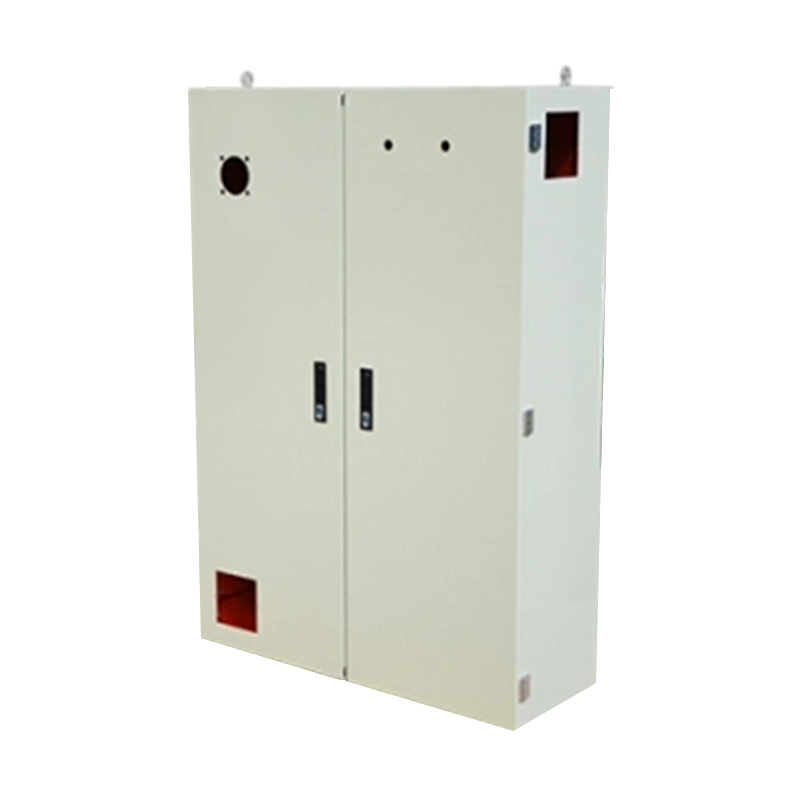
6.1 Carbon Steel Spray-Coated Electrical Boxes and Cabinets
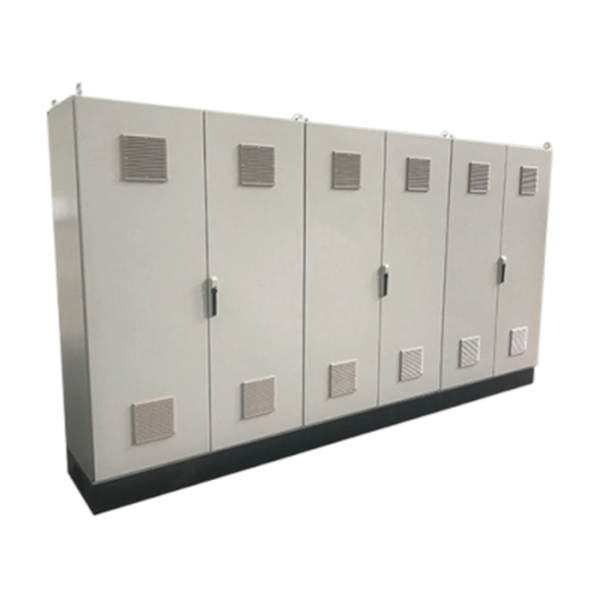
Carbon steel spray-coated electrical boxes are commonly used in indoor industrial environments where mechanical protection and convenient component installation are required. Typical applications include electrical distribution assemblies, machine control systems, automation equipment and industrial power management installations.
Cabinet design should account for internal mounting plates, cable routing, terminal arrangements, ventilation openings and maintenance access. Powder coating provides a protective surface, while the enclosure's structural design supports the installation of electrical components.
For larger custom cabinets, buyers should also consider reinforcement structures, door stiffness, hinge positioning and transportation requirements. These details influence the practical usability of the finished product.
6.2 Stainless Steel Outdoor Rainproof Cabinets
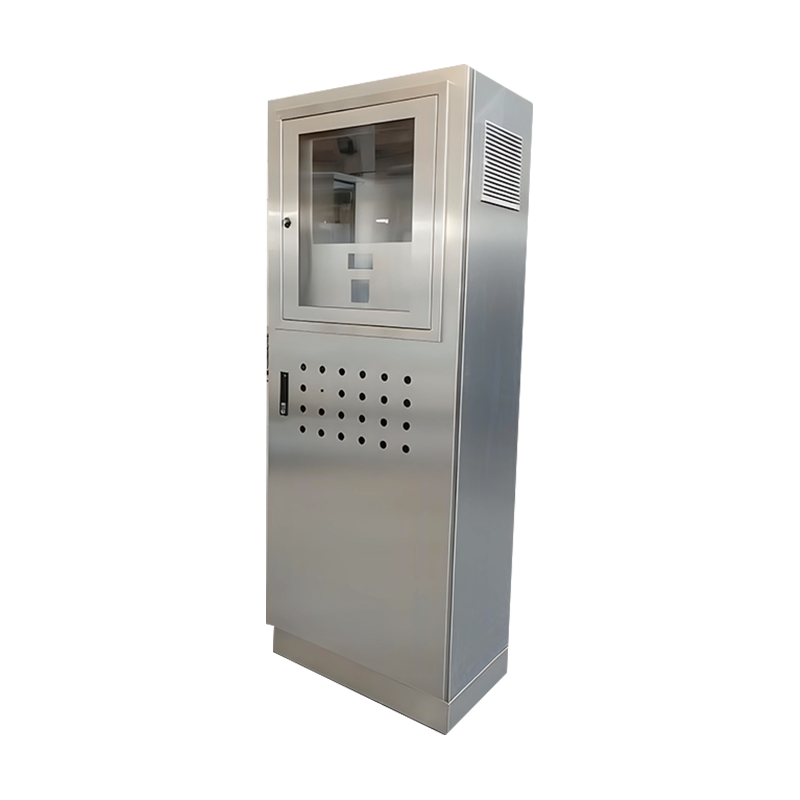
Stainless steel outdoor rainproof cabinets are designed for electrical and automation equipment installed in exposed environments. They may be used in outdoor monitoring systems, infrastructure installations, industrial facilities and equipment control applications.
Rain protection requires a coordinated enclosure design. Important details include roof construction, door overlap, gasket selection, drainage considerations, cable gland installation and sealing around access openings.
Environmental protection ratings must be verified for the complete enclosure configuration. NEMA 3, NEMA 4 and NEMA 4X describe different protection requirements, and buyers should select the appropriate classification according to the installation environment and applicable evaluation criteria.
For example, NEMA 4X includes additional corrosion-resistance considerations compared with ordinary weather-protective configurations. The actual rating depends on the complete tested enclosure, not simply the use of stainless steel.
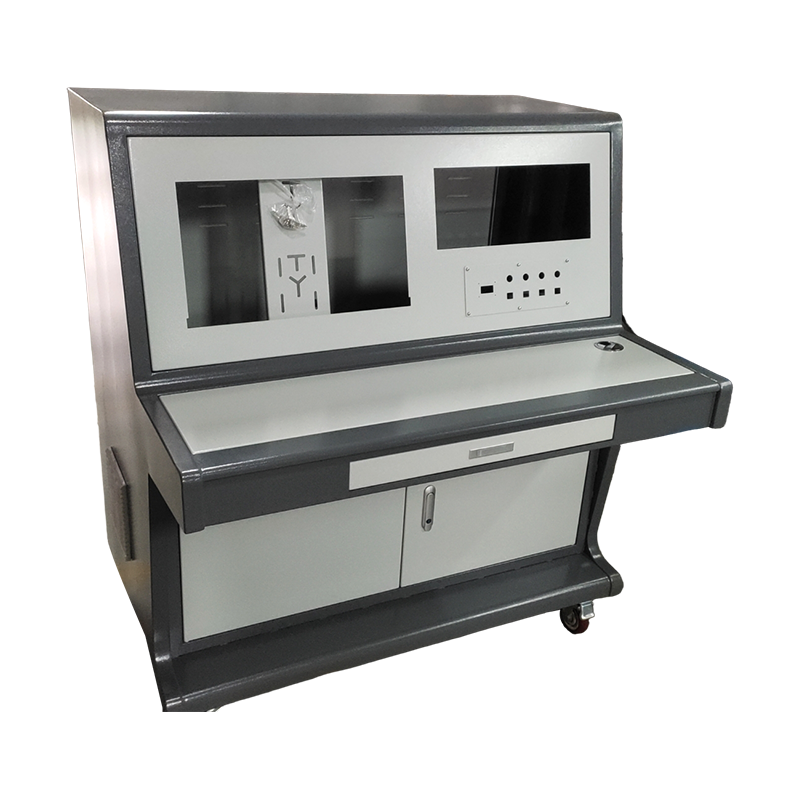
6.3 Non-Standard Control Cabinets and Operator Consoles
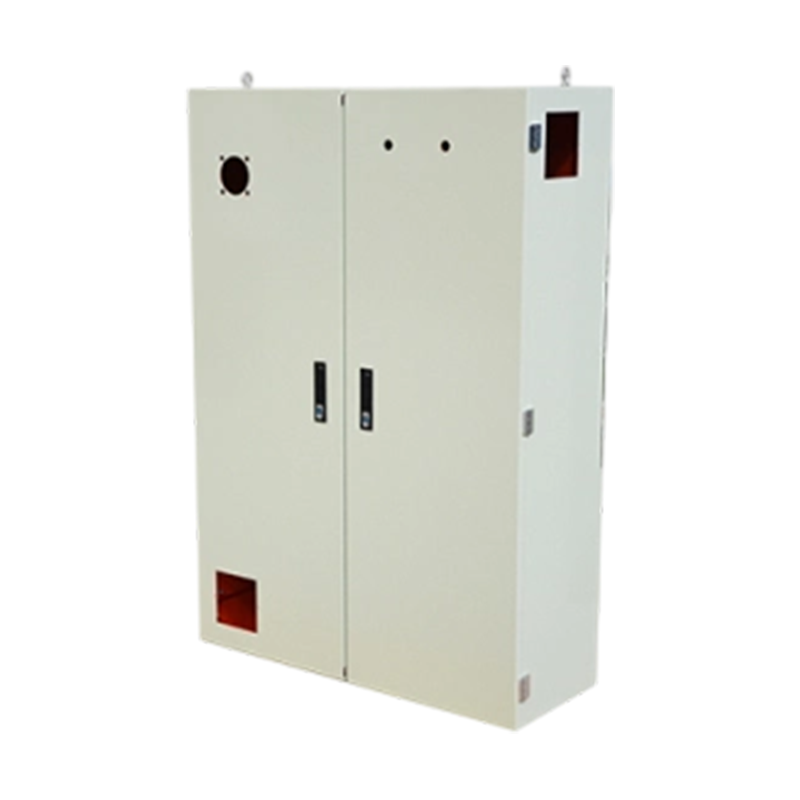
Non-standard control cabinets are developed for projects where conventional enclosure dimensions or internal arrangements cannot accommodate the equipment layout. They may include customized panel openings, special mounting brackets, multiple access doors and integrated control interfaces.
Operator consoles and workbenches provide a working interface between personnel and industrial equipment. Their design should consider operating height, screen visibility, switch positions, cable management, structural stability and maintenance access.
For mobile control cabinets, additional considerations include caster installation, load distribution, frame reinforcement and stability during movement. The cabinet structure should be designed around the actual equipment weight and intended operating conditions.
6.4 Industrial Equipment Housings and Protective Covers
Industrial equipment housings protect mechanical assemblies, electrical components and control interfaces against contact, dust and other environmental influences. Their geometries may include formed covers, removable access panels, ventilation structures and customized mounting interfaces.
Equipment housings are often designed together with the machinery they protect. This makes dimensional coordination particularly important. The supplier should understand the equipment's external interfaces, installation sequence and maintenance requirements before finalizing the sheet metal design.
Cabinets for power distribution and electrical component installation.
Control boxes and equipment enclosures for automated production systems.
Weather-resistant cabinets for exposed electrical installations.
Custom housings, operator consoles and equipment workstations.
7. Design Considerations Before Ordering Custom Sheet Metal Enclosures
Before requesting a quotation, buyers should prepare sufficient technical information to reduce design ambiguity and avoid repeated specification changes. A detailed request for quotation helps suppliers assess material requirements, production feasibility and inspection scope more accurately.
7.1 Define the Installation Environment
Start by identifying whether the enclosure will be installed indoors or outdoors. Temperature variation, humidity, dust, water exposure, chemical contact and possible mechanical impact may affect material selection and enclosure construction.
For outdoor applications, clarify the required NEMA or IP protection classification and the environmental conditions associated with the target rating. These classifications should not be treated as interchangeable without checking their respective test requirements.
7.2 Confirm Dimensions and Internal Layout
Overall length, width and height are only part of the design specification. Internal usable space, component mounting positions, cable bending clearance, door opening direction and maintenance access should also be defined.
Where the enclosure accommodates multiple electrical components, an internal layout drawing can help the supplier position mounting plates, rails, brackets and cable openings correctly.
7.3 Specify Material Thickness and Structural Requirements
Sheet thickness should be determined according to panel dimensions, structural loading, door stiffness, mounting requirements and the intended installation method. Excessive thickness can increase weight and material costs, while insufficient thickness may lead to deformation or inadequate support.
Large doors, wide unsupported panels and cabinets carrying heavy internal components may require additional reinforcement. These structural features should be evaluated during design rather than added after fabrication has started.
7.4 Clarify Hardware, Sealing and Cable Entry Details
Hinges, locks, handles, fasteners, gaskets and cable glands influence both assembly compatibility and daily operation. Buyers should identify whether standard hardware is acceptable or whether specific dimensions and materials are required.
For rainproof cabinets, the gasket material, compression arrangement, door overlap and cable entry configuration should be coordinated. Any additional openings or field modifications may affect the final environmental protection performance.
7.5 Prepare a Complete Technical RFQ Package
A useful enclosure RFQ package generally includes:
- Two-dimensional engineering drawings and three-dimensional models where available.
- Material grade, sheet thickness and surface finish specifications.
- Overall dimensions and critical dimensional tolerances.
- Door configuration, mounting features and internal component layout.
- Required environmental protection classification.
- Hardware, gasket and cable entry requirements.
- Inspection criteria, documentation and packaging requirements.
- Estimated order quantity, expected repeat demand and delivery schedule.
For projects still undergoing engineering development, buyers can also request a prototype or first-article review before authorizing full production. This provides an opportunity to verify physical fit, component accessibility and manufacturing details before larger quantities are committed.
8. Frequently Asked Questions About Custom Sheet Metal Enclosures
Q1: What materials are best for outdoor industrial automation enclosures?
Stainless steel is widely used for outdoor industrial enclosures because of its corrosion resistance. The appropriate grade depends on exposure conditions, including humidity, coastal salt and chemical contact. Carbon steel with a suitable protective coating may also be considered for selected environments, provided that the coating system and enclosure construction meet the required protection conditions.
Q2: What processes are needed to manufacture custom sheet metal control cabinets?
Typical processes include sheet cutting, CNC punching, press brake bending, welding, hardware installation and surface finishing. The actual process combination depends on the cabinet's dimensions, material, structural design, opening requirements and production quantity. Some precision interfaces may also require secondary machining.
Q3: Do custom industrial automation enclosures require strict sheet metal tolerances?
Tolerance requirements depend on the enclosure's assembly and functional requirements. Overall cabinet dimensions may allow relatively general tolerances, while mounting holes, door interfaces and sealing surfaces may require tighter control. Outdoor enclosures should pay particular attention to door alignment, gasket compression and cable entry interfaces.
Q4: What is the difference between standard cabinets and non-standard custom sheet metal enclosures?
Standard cabinets generally follow established dimensions, structures and component arrangements. Non-standard custom enclosures are designed around specific equipment layouts, installation spaces and functional requirements. They may include customized dimensions, panel openings, mounting brackets, door configurations and specialized surface treatments.
Q5: How do I evaluate a sheet metal fabricator for industrial enclosure projects?
Evaluate material processing capabilities, available cutting and forming equipment, welding quality, surface finishing resources and dimensional inspection procedures. Also review engineering communication, drawing revision management, production capacity and delivery arrangements. The supplier should demonstrate that its manufacturing processes can satisfy the project's actual technical specifications.
Q6: Is powder coating suitable for carbon steel electrical cabinets?
Powder coating is a common protective finishing method for carbon steel electrical cabinets. Its suitability depends on pretreatment quality, coating formulation, film thickness, curing conditions and the expected operating environment. Buyers should define the required coating performance and inspection criteria rather than specifying color alone.
Q7: What information should be provided when requesting a custom enclosure quotation?
Provide engineering drawings, material specifications, sheet thickness, overall dimensions, critical tolerances, surface finish requirements, hardware details and environmental protection expectations. Order quantity, delivery schedule and inspection documentation should also be included to help suppliers prepare comparable quotations.
Q8: Can sheet metal enclosures be customized for different equipment installation requirements?
Yes. Custom sheet metal enclosures can be adapted through changes to cabinet dimensions, door structures, mounting plates, ventilation openings, cable entries and internal brackets. The design should be reviewed against equipment dimensions, assembly access, structural requirements and the intended operating environment before production.
9. Conclusion: Making Informed Decisions When Sourcing Industrial Enclosures
Successful procurement of industrial automation enclosures requires coordination between material selection, fabrication processes, dimensional accuracy and application requirements. Carbon steel is a practical option for many spray-coated indoor control cabinets, while stainless steel is frequently considered for outdoor rainproof enclosures and corrosive environments. Aluminum and specialty metals serve more specific weight, conductivity or performance requirements.
Manufacturing capabilities are equally important. Laser cutting, CNC punching, press brake bending, welding and surface finishing must work together to produce enclosure structures that meet the engineering drawings. Tolerance management then ensures that doors, mounting plates, cable openings and sealing interfaces fit the intended equipment configuration.
When selecting a fabrication supplier, procurement engineers should examine material processing capabilities, in-house production resources, inspection procedures and engineering communication. These factors provide a more complete basis for evaluating production feasibility, delivery reliability and total procurement cost.
Whether a project requires carbon steel spray-coated electrical boxes, stainless steel outdoor rainproof cabinets, non-standard control panels, operator workbenches or customized equipment housings, the enclosure specification should reflect its actual operating and installation conditions.